
12V Bus Ac Unit
12V Bus AC Unit conforms to the trend of the automotive industry moving towards domain control and high integration. Through its own precise innovation and intelligent upgrade on the low-voltage side, it ensures the comfort, economy, and reliability of electric buses under all operating conditions, continuously defining the standards for the mobile space environment of future smart buses.
It has become a strategic system that guarantees vehicle range, improves operational economy, and enhances the driving and passenger experience. Its technological innovation closely aligns with the industry’s trend of high voltage, integration, and intelligence. According to an article in the China Automobile News in 2025, as the number of electric vehicles increases significantly, the precise energy management of low-voltage accessories has become the key to improving the overall energy efficiency of the vehicle. As stated in the 2024 annual report of the world-leading automotive electronics supplier, Qianxun Electronics, components for the “new fourizations” are evolving towards integrated and highly reliable solutions. The following text will conduct a comprehensive analysis of the 12V electric bus air conditioning unit from four dimensions, following the logic of “cause – process – result”.
12V Bus AC Unit – High Efficiency and Intelligent Synergistic Design under Low Voltage Architecture
Reason: The power core of the all-electric bus is the high-voltage battery pack (such as 400V/800V), but a large number of control units, sensors, and actuators (such as the air conditioning fan motor) throughout the vehicle must operate in a safe low-voltage environment. Under traditional design, the air conditioning system (especially during parking conditions) continuously consumes the power of the 12V battery, which is likely to cause battery depletion and may trigger the high-voltage system to frequently recharge the low-voltage battery, resulting in unnecessary conversion losses and affecting the endurance performance of the high-voltage battery.
Result: The new generation 12V electric bus air conditioning unit features a complete system that integrates an efficient DC variable-frequency compressor, an intelligent power regulation module, and low-power actuators. The compressor employs variable-frequency technology, allowing the cooling capacity to be dynamically adjusted according to demand. The key control unit, as described by Texas Instruments (TI), maintains extremely low power consumption during standby by introducing advanced power management solutions (such as the automatic reverse wake-up function of the host), and quickly starts only when there is a need. At the same time, the motors driving the air vents and water pumps of the HVAC (Heating, Ventilation, and Air Conditioning) system generally use dedicated driver chips that comply with AEC-Q100 automotive-grade standards to achieve precise control and low standby power consumption.
Result: This highly integrated and intelligent design enables the air conditioning unit to meet the strong cooling/heating requirements while achieving precise compatibility with the vehicle’s 12V electrical system and minimizing energy consumption. Ultimately, it effectively reduces the load on the low-voltage battery, lowers the risk of degradation in the vehicle’s high-voltage system’s range due to accessory power consumption, and improves energy utilization efficiency.
| Model | KingClima250 | KingClima320 | KingClima360 | KingClima400 | |
| Cooling Capacity | 25KW/85500BTU/21500Kcal/h | 32KW / 110000BTU / 27500Kcal/h | 123000BTU / 36KW / 31000Kcal/h | 136500BTU / 40KW / 34400Kcal/h | |
| Heating Capacity | Optional | Optional | Optional | Optional | |
| Fresh Air | 1000m³/h | 1000m³/h | 1000m³/h | 1000m³/h | |
| Refrigerant | R134a/6.5KG | R134a/5.0KG | R134a /6.5KG (for Micro channel heat exchanger)/11.5KG(for double Copper pipe) | R134a /7.5KG ((for Micro channel heat exchanger)/12.5KG(for double Copper pipe) | |
| Compressor | Model | TM-31/TM-43/F-400 | TM-43/BOCK 470/BitzerF400,4TFCY | BOCK FKX40/560K | BOCK FKX40/655K |
| Displacement | 313cc/430cc/400cc | 430cc / 470cc / 400cc,465cc | 554 CC | 650 CC | |
| Weight | 15.5KG/20.5KG/30KG | 23kg/ 33kg / 35KG | 33KG | 32KG | |
| Oil Type | ZXL 100PG / BSE55 | PAG100/ BSE55/ BSE55 | FUCHS Reniso Triton SE55 | FUCHS Reniso Triton SE55 | |
| Evaporator | Type | Hydrophilic aluminum foil with internal ridge copper tube | Hydrophilic aluminum foil with internal ridge copper tube | Hydrophilic aluminum foil with internal ridge copper tube | Hydrophilic aluminum foil with internal ridge copper tube |
| Air Flow | 4000m³/h | 4400m³/h | 6000m³/h | 7000m³/h | |
| Blower Type | 4-speed centrifugal type | 4-speed centrifugal type | 4-speed centrifugal type | 4-speed centrifugal type | |
| No. of Blower | 4 pcs | 4 pcs | 6 pcs | 8 pcs | |
| Current | 36A | 36A | 48A | 48A | |
| Condenser | Type | Micro channel heat exchanger core | Micro channel heat exchanger core | Micro channel heat exchanger core | Micro channel heat exchanger core |
| Air Flow | 5700m³/h | 7600m³/h | 7600m³/h | 9500m³/h | |
| Fan Type | Axial type | Axial type | Axial type | Axial type | |
| No. of Fan | 3 pcs | 4 pcs | 4 pcs | 5 pcs | |
| Current | 27A | 36A | 32A | 40A | |
| Total Current | < 75A | < 80A | < 85A | < 95A | |
| Weight | / KG | 131 KG | 191 KG | 207 KG | |
| Dimension (L*W*H) mm | 2361*1920*300 | 2361*1920*300 | 2610*1920*320 | 2860*1920*292 | |
| Application | 7-9 Meter City Bus & Coach | 8-10 Meter City Bus & Coach | 9-11 Meter City Bus & 10-12 Meter Coach | 10-12 Meter City Bus & 11-13 Meter Coach | |
12V Bus AC Unit – Full-cycle Temperature Control from Static Assurance to Dynamic Collaboration
Reason: The bus operation scenario is complex, including long-term parking for passengers, driver rest, night parking, as well as frequent starting and continuous driving during peak hours. In these scenarios, maintaining a comfortable temperature in the vehicle is a necessity, but it is necessary to solve the problem of energy supply when the high-voltage system is turned off during vehicle idling, as well as to balance the contradiction between air conditioning energy consumption and driving electricity consumption during driving.
Outcome: The core value of the 12V air conditioning unit lies in its “combined operation” capability. When the vehicle is turned off, the air conditioning can independently operate using the 12V low-voltage energy storage system (typically a lithium iron phosphate battery) and provide a comfortable rest environment for the driver. More importantly, this unit is deeply integrated into the vehicle’s thermal management domain controller. Through data interaction with the battery management system (BMS), the intelligent cockpit, and the cloud-based dispatch platform, the system can dynamically pre-cool/pre-heat the cabin or adjust the air distribution strategy based on environmental temperature, passenger load, remaining battery power, and driving plan. Just as Qianxun Electronics emphasized when planning the next generation of intelligent systems, the multi-domain integrated controller aims to achieve millisecond-level cross-system collaborative response.
Result: This has established an intelligent and predictive temperature control strategy that covers the entire lifecycle of the vehicle. It not only ensures the comfort of passengers in any scenario, but more importantly, through algorithm optimization, it has found the optimal balance between comfort and energy saving, enabling the bus operators to achieve refined management of operational costs.
12V Bus AC Unit – Safety, Reliability and Lifecycle Cost-effectiveness
Reason: When bus operators select core components, they need to comprehensively consider safety, attendance rate, maintenance costs, and the increasingly strict environmental regulations.
Result: The 12V electric bus air conditioning unit, through systematic design, offers multiple advantages:
Safety and High Reliability: An independent low-voltage operation mechanism has eliminated potential risks in the high-voltage system during parking. The semiconductor components used, such as the chips for motor drive, all meet the strict automotive electronic reliability standards (AEC-Q100). The PTC heating drive system mentioned in the patent literature also embodies the design concept of ensuring system robustness through multiple safety circuits (such as loop interlock).
Outstanding economy: The advanced variable frequency technology directly reduces operating energy consumption. Its intelligent start-stop function and low standby power consumption characteristics significantly decrease the battery power consumption of the 12V battery. The healthy 12V battery works in synergy with the efficient electrical appliances, which is an important part in enhancing the overall energy efficiency of the vehicle and reducing operating costs.
Long lifespan and low maintenance: Thanks to the electronic, contactless control method (such as using IGBTs instead of traditional relays to control PTC heating), the system avoids mechanical wear and tear, significantly enhancing its lifespan and reliability.
Result: For the operators, this means lower failure rates, higher vehicle availability rates, fewer maintenance interventions, and better long-term total cost of ownership (TCO). This unit has transformed from a “cost center” to a value-creating unit that ensures operational efficiency and passenger satisfaction.
12V Bus AC Unit – Meeting the Core Demands of Multiple Stakeholders
Reason: The value chain of electric buses involves decision-makers, users and ultimate experiencers. The demands of each party overlap to some extent while also having distinct focuses.
After:
Bus company/fleet manager: As the decision-makers for procurement, they are most concerned about the total life cycle cost, reliability, and the actual contribution to vehicle range and operational efficiency of the system. The energy-saving and high reliability of the 12V air conditioning unit directly address their core demands for cost reduction and efficiency improvement.
Driver: As the direct and long-term users, they require a healthy, comfortable, quiet and easy-to-operate working environment. Independent and quiet parking air conditioning is an important occupational benefit for them, directly affecting their working condition and driving safety.
Passengers and the Public: As the ultimate experiencers of the service and the supervisors of green travel, they expect consistent comfort during their rides and pay attention to the environmental attributes of public services. A stable and efficient air conditioning system is the key to enhancing the attractiveness of public transportation, and its energy-saving performance also indirectly strengthens the green image of public transportation.
Result: A sophisticated 12V electric bus air conditioning unit has successfully integrated the economic benefits demands of the operators, the humanistic care needs of the drivers, and the experience expectations of the passengers with the social pursuit of green and low-carbon. It is not only the outcome of technological innovation but also an important carrier for promoting the upgrade of public transportation service quality and sustainable development.
The 12V Bus AC Unit – is a prime example of the deep integration of new energy vehicle technology and the operational requirements of public transportation. The 12V Bus AC Unit conforms to the trend of the automotive industry moving towards domain control and high integration. Through its own precise innovations and intelligent upgrades on the low-voltage side, it ensures the comfort, economy, and reliability of electric buses under all operating conditions, and is continuously defining the standards for the mobile space environment of future intelligent public transportation.
Related posts:
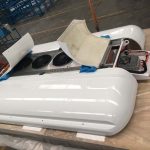 12V Ac For Buses
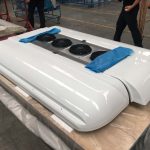 12V Bus Ac
 12V Bus Air Conditioner
 12V Rv Air Conditioning Units
 12V Air Conditioner For Motorhome
 Camper Air Conditioner 12V
 Motorhome Aircon 12V
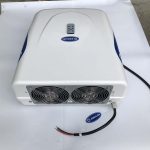 12V Rv Ac Unit
 12v klima uređaj za Hrvatsku
 12 Volt Rv Air Conditioner
 12 Volt RV Air Conditioning Units represent an energy and technological revolution
 DC Bus Air Con
 12 Volt Rv Ac Unit
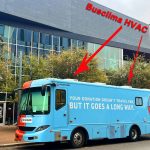 12V Camper Air Conditioner used in medicalmobile
 Bus Air Conditioner for Coach
 12V Air Conditioner for Motorhome South Africa
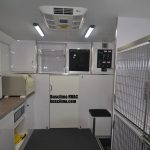 12V Air Conditioner for Motorhome Africa
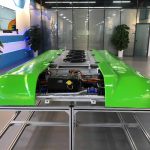 Ac For Buses Pakistan