
12V Bus Air Conditioner Price
12V Bus Air Conditioner Price is not a fixed figure. Instead, it is the result of a dynamic equilibrium resulting from technological iterations, market size, supply chain costs, and policy environment. Its price trend shows a distinct characteristic of “short-term pressure, long-term stability, and value upgrade”.
Factors influencing the price of 12V Bus Air Conditioners: Cost structure and technical added value
Reason: The price of the air conditioning unit is directly determined by its material costs, research and development amortization, manufacturing processes and technical complexity. Compared to traditional fuel vehicle air conditioning, the 12V system of electric buses needs to integrate high-efficiency DC variable-frequency compressors, intelligent thermal management control modules, and collaborate with the vehicle’s battery management system. This increases the technical barriers and initial costs of the core components.
After: According to market data, the total price of a basic function electric vehicle air conditioning evaporator assembly can be around 1,500 RMB. However, this is only the basic component. The key to determining the total cost of the system lies in core high-pressure or high-precision components such as electric compressors, electronic expansion valves, controllers, etc. For example, the global automotive electric HVAC compressor market is expanding at a high annual compound growth rate of over 24%, and the huge market expansion has attracted leading manufacturers such as Denso, Sanyo Electric, and Nidec to invest in research and development, promoting technological progress.
Result: In the short term, the unit price of high-end 12V air conditioning systems is under upward pressure due to the adoption of high-performance components (such as vortex variable-frequency compressors) and intelligent control systems. However, in the long term, the maturity of the technical solution and large-scale production will reduce these incremental costs. At the same time, the downward trend in the cost of low-voltage lithium batteries (which are rapidly replacing lead-acid batteries) that power the 12V system will also provide support for the stability of the total cost of the air conditioning system.
12V Bus Air Conditioner Price Trend Forecast: Synergy of Scale Effect and Differentiation
Reason: The fundamental trend of prices is determined by the relationship between supply and demand and the movement of cost curves. The explosive growth of the electric bus market has created certain demand certainty, while the maturity of the supply chain determines the speed of cost reduction.
After: As shown in the table, the forces influencing future prices come from two opposite directions:
| Forces driving prices downward | Forces driving prices upward |
| Expansion of production capacity for core components such as electric compressors, with scale effects emerging | Compliance costs resulting from the switch to environmentally friendly refrigerants (such as HFO-1234yf, CO2) |
| Maturation of local supply chain, increased domestic production proportion, and intensified competition | Increased demand for integration and intelligence (such as linkage with battery thermal management), and enhanced functional value |
| Optimization of manufacturing processes and innovation in materials (such as lightweighting) | Higher requirements for system reliability and lifespan drive the cost of high-quality components |
Result: In the coming years, the prices of 12V DC bus air conditioners will show a structural differentiation. The prices of basic functional products are expected to stabilize and decrease slightly as the scale expands; while the integrated intelligent thermal management subsystem will become the value center, and its price will more reflect the added value of “system solutions” rather than the simple cost of hardware. The overall market average price will fluctuate for a period of time before entering a relatively stable platform period that better reflects technical value.
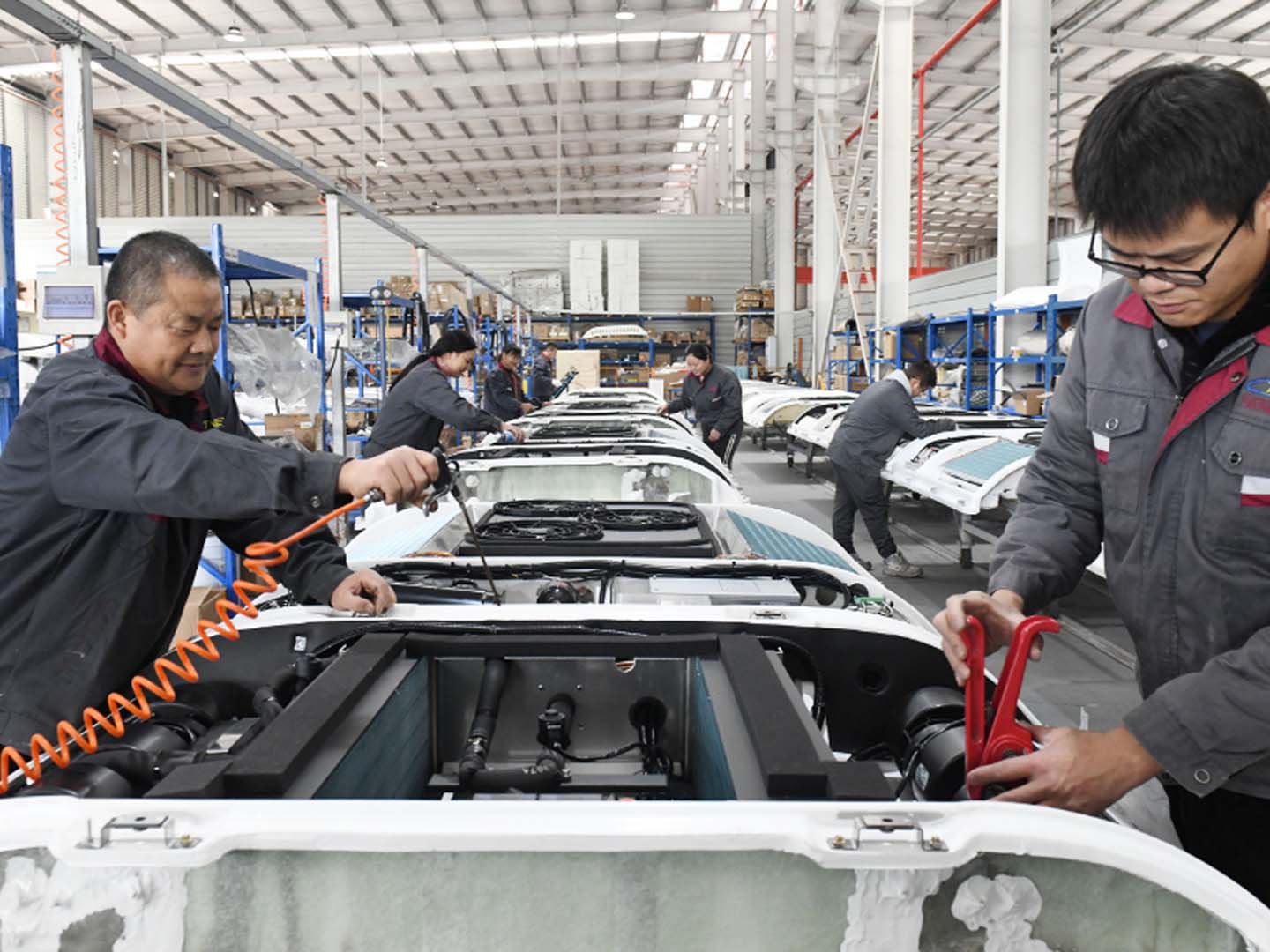
12V Bus Air Conditioner Price Competition Landscape and Supply Chain Evolution
Reason: The number of market participants and their competitive strategies directly affect pricing. Currently, the market is dominated by international leaders (such as Denso and Faurecia) and emerging local enterprises.
Outcome: International giants, leveraging their profound technological expertise, dominate the high-end variable-frequency compressor and system integration markets. Meanwhile, the domestic supply chain in China is growing rapidly, possessing cost and response speed advantages in components such as evaporators, pipelines, and controllers. This situation has led to the shift in market competition from a simple price war to a competition based on technical routes, reliability, and comprehensive energy efficiency.
Result: For bus manufacturers, the procurement cost will be more dependent on their technical positioning and supply chain integration capabilities. Choosing the high-end international brand solution will offer performance advantages but entail higher costs; adopting the mature domestic integration solution can effectively control costs while meeting basic needs. The diversification of the supply chain gives vehicle manufacturers more bargaining power and choices.
The “12V Bus Air Conditioner Price” is a microcosm of the development of the new energy vehicle industry.
In the short term, it is constrained by the costs of new technologies and the ramp-up of the supply chain. However, in the long term, it will undoubtedly benefit from the huge market scale and intense competition. Its price is no longer an isolated figure but a comprehensive reflection of technical content, system efficiency, brand value, and the full-cycle cost. For industry participants, only through continuous technological innovation and lean manufacturing can they establish a foothold in this competition centered on “value” rather than merely “price”.
is not a fixed figure. Instead, it is the result of a dynamic equilibrium resulting from technological iterations, market size, supply chain costs, and policy environment. Its price trend shows a distinct characteristic of “short-term pressure, long-term stability, and value upgrade”.
Factors influencing the price of 12V Bus Air Conditioners: Cost structure and technical added value
Reason: The price of the air conditioning unit is directly determined by its material costs, research and development amortization, manufacturing processes and technical complexity. Compared to traditional fuel vehicle air conditioning, the 12V system of electric buses needs to integrate high-efficiency DC variable-frequency compressors, intelligent thermal management control modules, and collaborate with the vehicle’s battery management system. This increases the technical barriers and initial costs of the core components.
After: According to market data, the total price of a basic function electric vehicle air conditioning evaporator assembly can be around 1,500 RMB. However, this is only the basic component. The key to determining the total cost of the system lies in core high-pressure or high-precision components such as electric compressors, electronic expansion valves, controllers, etc. For example, the global automotive electric HVAC compressor market is expanding at a high annual compound growth rate of over 24%, and the huge market expansion has attracted leading manufacturers such as Denso, Sanyo Electric, and Nidec to invest in research and development, promoting technological progress.
Result: In the short term, the unit price of high-end 12V air conditioning systems is under upward pressure due to the adoption of high-performance components (such as vortex variable-frequency compressors) and intelligent control systems. However, in the long term, the maturity of the technical solution and large-scale production will reduce these incremental costs. At the same time, the downward trend in the cost of low-voltage lithium batteries (which are rapidly replacing lead-acid batteries) that power the 12V system will also provide support for the stability of the total cost of the air conditioning system.
12V Bus Air Conditioner Price Trend Forecast: Synergy of Scale Effect and Differentiation
Reason: The fundamental trend of prices is determined by the relationship between supply and demand and the movement of cost curves. The explosive growth of the electric bus market has created certain demand certainty, while the maturity of the supply chain determines the speed of cost reduction.
After: As shown in the table, the forces influencing future prices come from two opposite directions:
| Forces driving prices downward | Forces driving prices upward |
| :— | :— |
| Expansion of production capacity for core components such as electric compressors, with scale effects emerging | Compliance costs resulting from the switch to environmentally friendly refrigerants (such as HFO-1234yf, CO2) |
| Maturation of local supply chain, increased domestic production proportion, and intensified competition | Increased demand for integration and intelligence (such as linkage with battery thermal management), and enhanced functional value |
| Optimization of manufacturing processes and innovation in materials (such as lightweighting) | Higher requirements for system reliability and lifespan drive the cost of high-quality components |
Result: In the coming years, the prices of 12V electric bus air conditioners will show a structural differentiation. The prices of basic functional products are expected to stabilize and decrease slightly as the scale expands; while the integrated intelligent thermal management subsystem will become the value center, and its price will more reflect the added value of “system solutions” rather than the simple cost of hardware. The overall market average price will fluctuate for a period of time before entering a relatively stable platform period that better reflects technical value.
12V Bus Air Conditioner Price Competition Landscape and Supply Chain Evolution
Reason: The number of market participants and their competitive strategies directly affect pricing. Currently, the market is dominated by international leaders (such as Denso and Faurecia) and emerging local enterprises.
Outcome: International giants, leveraging their profound technological expertise, dominate the high-end variable-frequency compressor and system integration markets. Meanwhile, the domestic supply chain in China is growing rapidly, possessing cost and response speed advantages in components such as evaporators, pipelines, and controllers. This situation has led to the shift in market competition from a simple price war to a competition based on technical routes, reliability, and comprehensive energy efficiency.
Result: For bus manufacturers, the procurement cost will be more dependent on their technical positioning and supply chain integration capabilities. Choosing the high-end international brand solution will offer performance advantages but entail higher costs; adopting the mature domestic integration solution can effectively control costs while meeting basic needs. The diversification of the supply chain gives vehicle manufacturers more bargaining power and choices.
The “12V Bus Air Conditioner Price” is a microcosm of the development of the new energy vehicle industry. In the short term, it is constrained by the costs of new technologies and the ramp-up of the supply chain. However, in the long term, it will undoubtedly benefit from the huge market scale and intense competition. Its price is no longer an isolated figure but a comprehensive reflection of technical content, system efficiency, brand value, and the full-cycle cost. For industry participants, only through continuous technological innovation and lean manufacturing can they establish a foothold in this competition centered on “value” rather than merely “price”.
Related posts:
 12V Bus Ac Unit
12V Bus Ac
12V Bus Ac Unit
12V Bus Ac
 12V Ac For Buses
 12V Bus Air Conditioner
 12V Rv Air Conditioning Units
 12V Rv Ac Unit
 Camper Air Conditioner 12V
 12V Air Conditioner For Motorhome
 Motorhome Aircon 12V
 12 Volt RV Air Conditioning Units represent an energy and technological revolution
 12 Volt Rv Air Conditioner
 12V Air Conditioner for Motorhome Africa
 Bus Air Conditioner Price
 12V Air Conditioner for Motorhome South Africa
 12 Volt Rv Ac Unit
 What does Bus AC Price depend on?
 12V Camper Ac
 12V Camper Air Conditioner used in medicalmobile