Ac For Bus is caused by drivers’ poor habits sametimes.
So ask yourself, do you really know how to use the bus air conditioning? As the weather gets hotter, bus owners are using the air conditioning more frequently. However, there are many misconceptions you may have about using the air conditioning, which can not only affect your health but also damage the vehicle. Therefore, before turning on the “bus air conditioning mode,” it’s necessary to understand the following misconceptions. Let’s take a look at how to use the bus air conditioning.
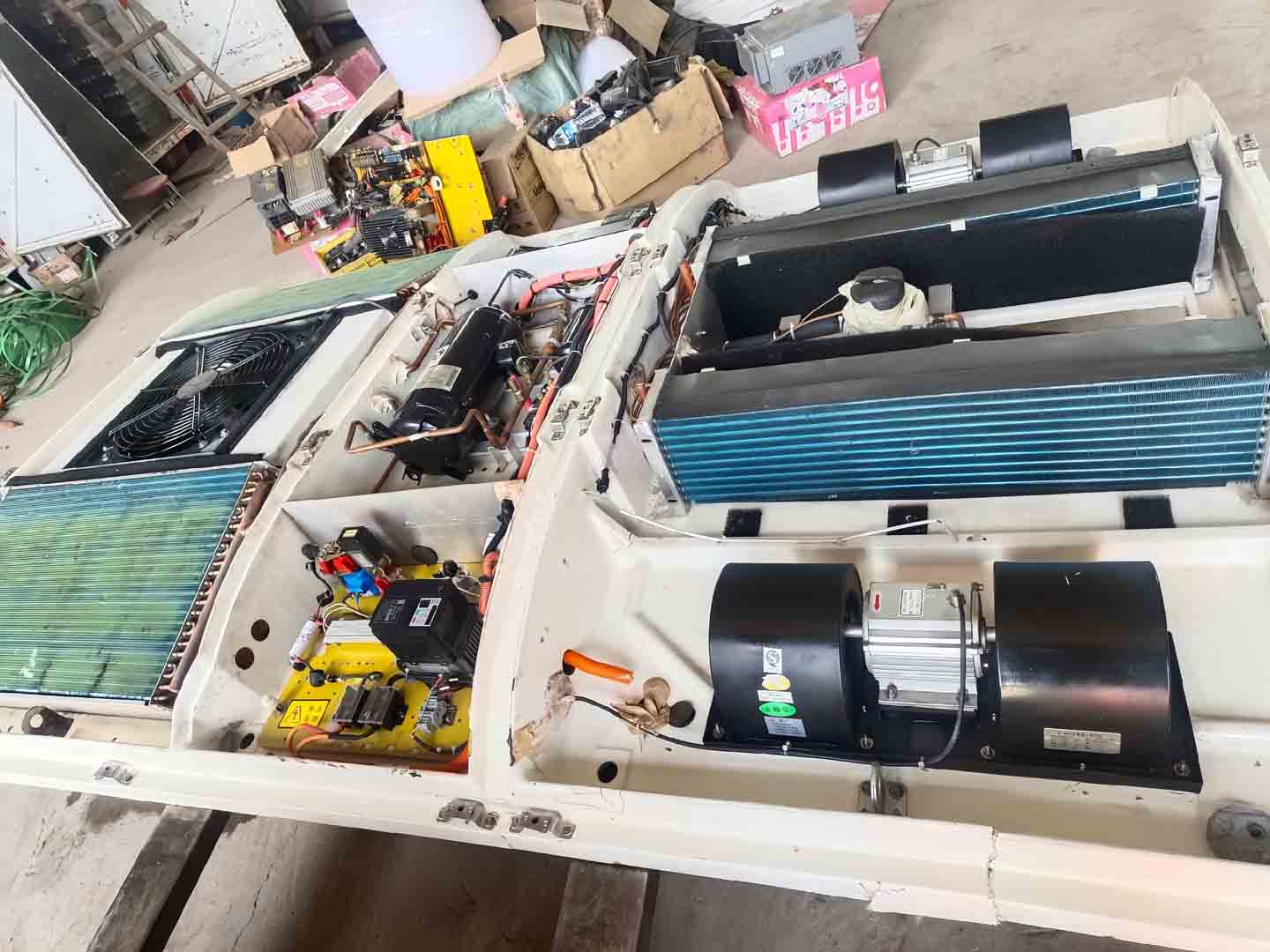
How to Use Ac For Bus
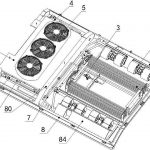
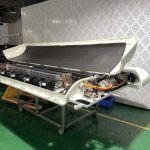
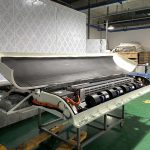
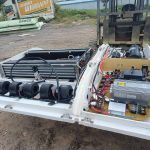
The bus air conditioning system is a device that cools, heats, ventilates, and purifies the air inside the passenger compartment. It provides a comfortable riding environment for passengers, reduces driver fatigue, and improves driving safety. Different types of air conditioning systems have different layouts. Passenger cars widely use integrated heating and cooling air conditioning systems. This type of system combines the evaporator, heater radiator, centrifugal blower, and control mechanism into a single assembly called the air conditioning unit.
How to Use Ac For Bus – How to Determine if the Air Conditioning System Has Been Cleaned
1. When the air conditioner is first turned on, before the air has fully cooled or heated, a musty or sour odor may be detected.
2. When cooling or heating, the air coming out of the vents is not fresh, with a sour or other strange smell.
3. Cooling efficiency decreases, and fuel consumption increases. This is because the evaporator has not been cleaned for a long time, resulting in excessive dirt and affecting heat dissipation.
4. When people are in the vehicle, they may experience discomfort in their nasal cavity, trachea, or lungs, or experience coughing or chest tightness.
5. The vehicle has been used for more than a year without its air conditioning system being cleaned and maintained.
Benefits of Cleaning Ac For Bus
1. Enhanced Cooling: After cleaning with a specialized cleaning agent, the air conditioning system is free of dust and dirt, airflow is smooth, and the cooling effect is significantly enhanced.
2. Health Benefits: After cleaning with a specialized cleaning agent, the incidence of “air conditioning syndrome” is greatly reduced, and indoor air is purified, removing unpleasant odors produced by the air conditioner.
3. Extended Air Conditioning Lifespan After cleaning with a specialized cleaning agent, the air conditioner’s working environment changes, extending its lifespan and leaving it looking brand new.
4. Reduced power consumption. The changed environment after cleaning improves the air conditioner’s efficiency, thus reducing power consumption.
5. Reduced expenses. Air conditioners that have undergone cleaning and maintenance have a lower failure rate and lower power consumption, saving money invisibly.
Ac For Bus Precautions:
First, don’t rush to turn on the air conditioner as soon as you get in the car.
This is especially important for cars that have been parked overnight. After a long period of time, the air inside the closed vehicle is very stale. Imagine the consequences of running the air conditioner on recirculation mode. The best approach is to open the windows first, then turn on the external air circulation to expel the exhaust fumes, and then close the windows and turn on the air conditioner. Similarly, for cars that have been exposed to the sun for a long time, open the windows first, turn on the external air circulation to expel the hot air, and then close the windows and turn on the external air circulation again.
Second, switching between internal and external air circulation.
Some cars have different buttons for internal and external air circulation, while others only have a button for internal air circulation. When the light is on, it’s internal circulation; otherwise, it’s external air circulation. Imagine the effect of prolonged use of the internal air circulation mode; it’s like repeatedly breathing in secondhand air, especially on long journeys, which can cause stuffiness. Of course, many cars now have automatic ventilation, switching to external air circulation after a certain period. However, in city driving, it’s still recommended to switch in less congested areas with good greenery.
Third, the A/C switch.
The A/C switch is the compressor switch for the air conditioning. Only when this switch is on will the air conditioning cool; otherwise, it will only blow air. When this switch is on, it activates a series of cooling devices. These devices produce moisture while cooling the air, which, combined with the engine environment, can cause unpleasant odors from the air conditioning system. Therefore, we should turn off the A/C a few minutes before arriving at our destination, adding a little fan speed to allow natural airflow to dry the ducts and prevent odors.
Regarding cleaning bus air conditioning, many people have questions: Why clean it? What happens if you don’t? In fact, during bus air conditioning operation, 80% of the fine dust and bacteria in the air pass through the filter and enter the air conditioner. They then adhere to the condensate and clog the evaporator, affecting the air conditioner’s cooling and heat dissipation. The humid environment and dust on the surfaces of the evaporator and ventilation ducts provide a breeding ground for mold and fungi, producing a rotten odor. This odor, when the air conditioner is turned on, pollutes the entire interior of the bus and can be inhaled by passengers, leading to “bus air conditioning sickness.” Therefore, cleaning the bus air conditioning system is essential.