
Ac For Buses Daewoo Pak
Ac For Buses Daewoo Pak is a core component of Pakistan’s high-standard intercity passenger transport service.
The Daewoo bus air conditioning system faces significant challenges in the following scenarios, as its reliability directly impacts service quality:
Long-distance intercity operations: As an intercity service covering over 60 destinations in Pakistan, the air conditioning system needs to operate continuously and stably for hours on end to ensure passenger comfort throughout the journey.
Extreme climate resistance: Pakistan’s summer temperatures can reach 55°C, and the hot season is long. DC 12V bus air conditioner must possess strong and continuous cooling capacity and high reliability.
Complex energy environment: Local power shortages, with daily power outages potentially exceeding 10 hours in summer, place extremely high demands on the low-voltage start-up and operational stability of traditional air conditioning systems that rely on the vehicle’s own power generation. For design and installation, visit www.busclima.com or contact busclima@kingclima.com for further technical support.
| Model | E-Clima2200 | E-Clima3000 | E-Clima4000 | E-Clima6000 | E-Clima8000 | E-Clima2600S |
| Voltage (V) |
DC12V/24V | DC12V/24V | DC12V/24V | DC12V/24V | DC12V/24V | DC12V/24V |
| Cooling Capacity (W/BTU) |
2200W//7500 | 3000W/10000BTU | 4000W/15000BTU | 6000W/20472BTU | 8000W/27300BTU | 2600W/78870BTU |
| Installation | Rooftop Mounted | Rooftop Mounted | Rooftop Mounted | Rooftop Mounted | Rooftop Mounted | Split Mounted |
| Evaporator Air Volume (m³/h) |
650 | 700 | 650 | 650 | 1500 | 450 |
| Condenser Air Volume (m³/h) |
1050 | 1400 | 1050 | 1700 | 3600 | 1400 |
| Refrigerant | R134a | R134a | R134a | R134a | R134a | R134a |
| Dimension (mm*mm*mm) |
700*580*263 | 885*710*290 | 700*580*263 | 1580*385*180/ 920*928*250 |
1260*1030*180 | 682*465*192 540*362*165 |
| Weight (KG) |
32 | 35 | 18/47 | 18/47 | 31 |
The Ac For Buses Daewoo Pak, a key component of its “premium service,” offers value in several ways:
A core commitment to service quality: Daewoo’s website explicitly identifies “air-conditioned buses” as a core selling point for providing a comfortable and reliable travel experience, a key facility in fulfilling its premium brand promise.
Enhanced operational competitiveness: On long journeys, a superior air-conditioned environment is a significant factor attracting passengers to choose buses over other modes of transport. A comfortable experience directly boosts customer loyalty and brand reputation.
Towards a green transition: In its hybrid electric bus projects, efficient electric air conditioning systems are a key element in reducing emissions by up to 75%, aligning with global and local green transportation policy trends in Pakistan.
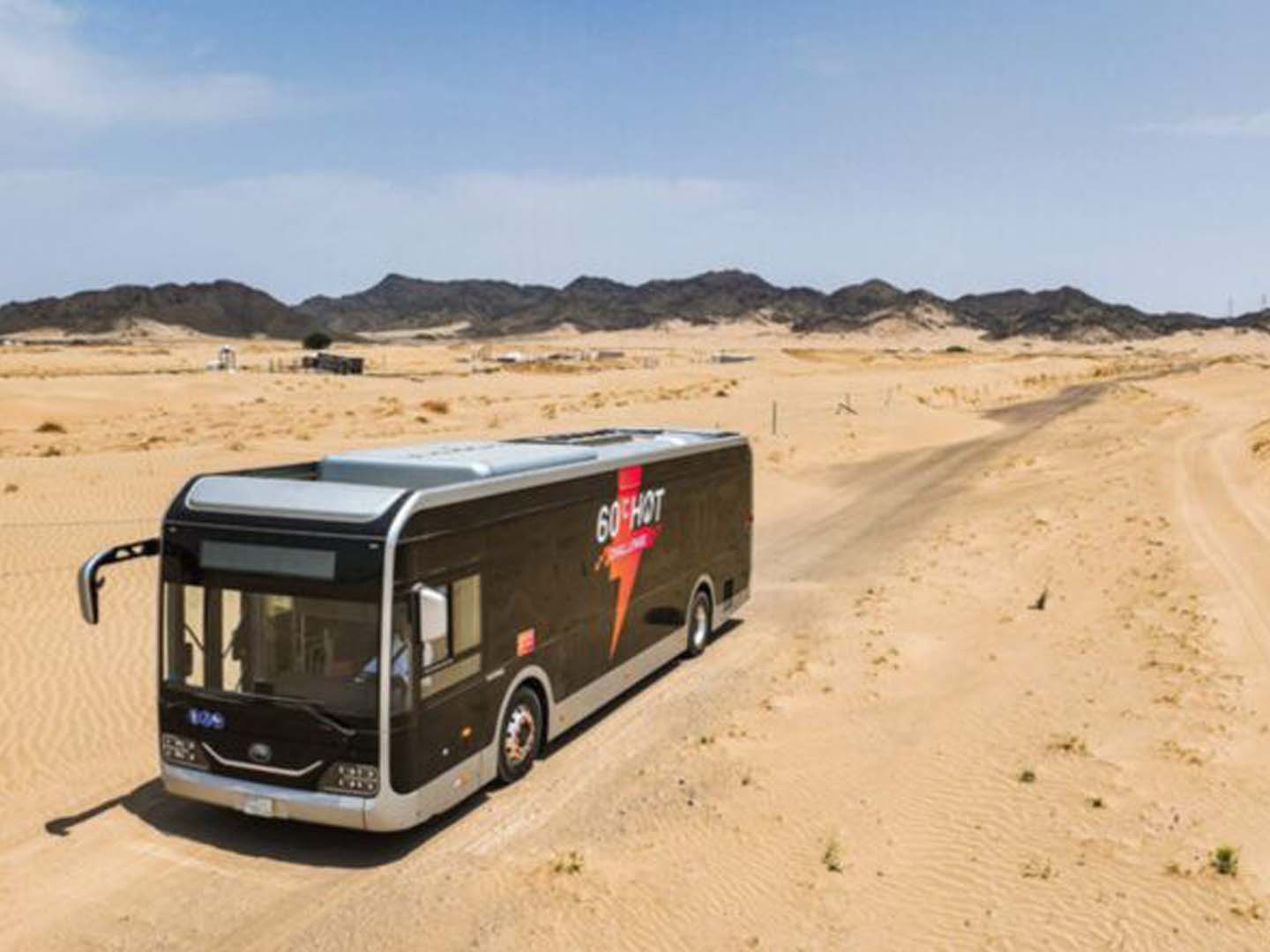
The Ac For Buses Daewoo Pak’s configuration precisely serves Daewoo’s diverse customer base:
Premium intercity commuters and travelers: This is Daewoo Express’s core customer group. They pay higher fares than regular buses, expecting high-quality, reliable long-distance service, including a consistently comfortable temperature.
Families and business travelers who value the experience: For passengers who need to rest or work during their journey, a stable and comfortable environment provided by air conditioning is a basic requirement. As Ahmed, a Pakistani driver who experienced the new air-conditioned bus, commented, the superior air conditioning brought a completely new riding experience.
The company and its operators: For Daewoo and its operators, a reliable and efficient air conditioning system is a crucial asset for maintaining vehicle uptime, controlling fuel costs, and ensuring its premium brand positioning.
In conclusion, the Daewoo Pak bus’s air conditioning system is a key piece of equipment that deeply integrates Pakistan’s extreme climate, the demands of long-distance operations, and the brand’s service strategy. It is not only a comfort feature but also a vital technological component ensuring operational efficiency, market competitiveness, and the implementation of green travel principles.
Related posts:
 Ac For Buses Superliner
 Ac For Buses Starliner
 Ac For Buses Pakistan
 Ac For Buses Kazay
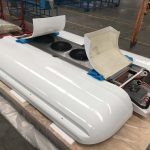 Ac For Buses Hinopak
 Ac For Buses Skyliner
 RV Rooftop Air Conditioning Units, 2 stes, Golden Partner for Minibus RV
 Motorhome Rooftop Air Conditioners
 Aircon Units For Motorhomes
 Camper Air Conditioner 12V
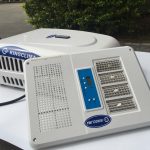 Best Ac For Rv
 Camper Rooftop Ac
 15000 Btu Camper Air Conditioner
 Roof Top Camper Air Conditioner
 Modular Temperature Control Solution for Motorhomes
 Small Rv Ac
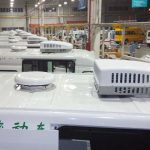 Small Ac For Camper
 12 Volt Rv Ac Unit