
Pakistan Bus Air Conditioner
Pakistan Bus Air Conditioner is undergoing profound changes as the country’s public transport system undergoes a green transformation. According to an industry forum analysis at EVP 2025, the core challenge in Pakistan’s air conditioning demand lies in balancing high-performance requirements under extreme climates with controlling high operating costs. Technology providers, represented by Chinese brands, are leading the development of this market segment through deep localization strategies.
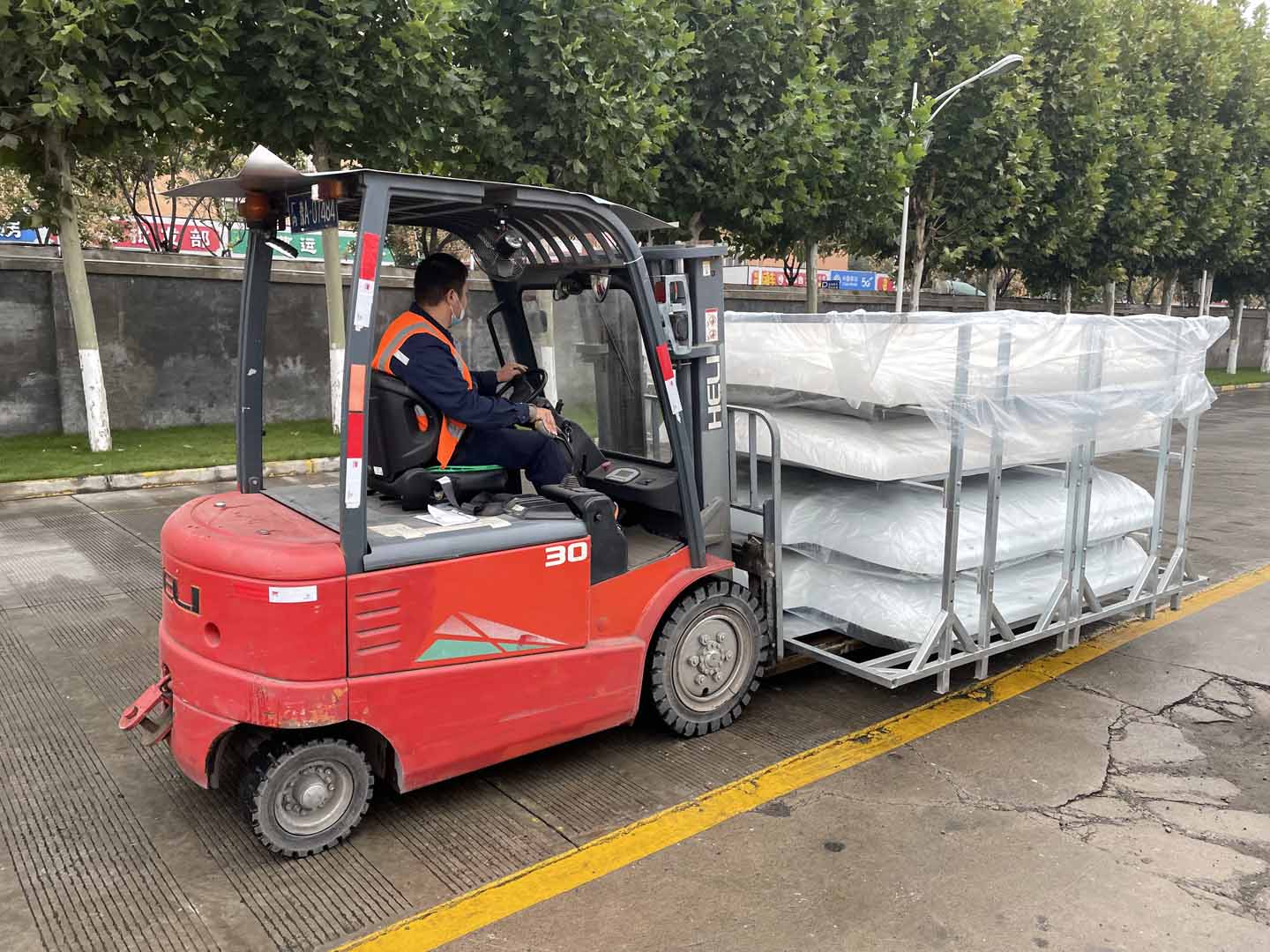
The performance of Pakistan Bus Air Conditioners is rigorously tested in the following specific scenarios:
Sustained Extreme Temperatures: Most areas have hot climates with long summers, making DC bus air conditioning a critical device for ensuring basic bus operation and passenger safety.
High Energy Costs: Local electricity prices are high, making bus operators extremely sensitive to energy consumption. Therefore, high coefficient of performance (COP) and innovations such as solar-powered air conditioning solutions are important ways to reduce operating costs and improve project feasibility.
Maintenance and Support Challenges: Infrastructure and professional maintenance networks are still under development. Therefore, providing extended warranties (such as a five-year full-service warranty) and establishing a reliable localized service network are core components of product competitiveness.
Busclima Pakistan Bus Air Conditioner’s product advantages have transcended a single cooling function, forming a systematic competitive advantage:
Deep Localized R&D: Products are not simply exported, but deeply customized based on local needs. For example, Haier Air Conditioner’s “T3” high-temperature product matrix directly addresses core local pain points.
Lifecycle Cost Advantage: High efficiency and energy saving directly reduce electricity costs, while extended warranty policies greatly reduce operators’ maintenance costs and concerns, lowering the total lifecycle cost of ownership for vehicles.
Supporting Green Transition and Brand Upgrading: Electric air conditioners配套 for large-scale projects such as Yutong’s 400 electric buses have become a symbol of Pakistan’s green transformation in public transportation. Professor Nawi Arshad of Lahore University of Management Sciences points out that excellent new energy transportation products are key to “winning public trust” and driving industry development. As the most direct link in passenger experience, the reliability of air conditioning is the cornerstone of building market confidence.
The Pakistan Bus Air Conditioner is a typical scenario defined by extreme climate, cost sensitivity, and policy-driven factors.
Successful products are no longer generic industrial goods, but comprehensive solutions integrating high-temperature technology, ultra-high efficiency, localized services, and green value. In the future, as electrification accelerates, the air conditioning system will play an increasingly prominent role as the core of vehicle energy management, and its technological evolution will continue to lead the upgrade of public transportation in Pakistan.
Related posts:
 DC Ac For Buses
 DC Bus Air Conditioning
 DC Bus Air Conditioner
 DC Bus Air Con
 DC Air Conditioner For Bus
 Ac For Buses Pakistan
 Ac For Buses Superliner
 Acc Bus Air Conditioning
 Ac For Buses MMCL
 Ac For Buses Daewoo Pak
 12V Rv Air Conditioning Units
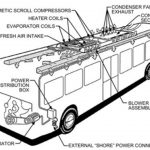 Bus Roof Ac Unit – A Look at Bus Comfort in China
 IC Bus Air Conditioning: A Comprehensive Evolution of Integration, Intelligence, and Sustainability
 Air Con Unit For Van