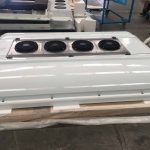
DC Bus Acoustic Unit
DC Bus Ac Unit is rapidly developing towards higher efficiency, integration, and intelligence.
It is not only a component that enhances passenger comfort, but also a key energy-saving system affecting the success of bus electrification. Its technological advancements and cost optimizations will directly promote the green transformation of the public transportation sector.
Compared to passenger cars, DC Bus Acoustic Units face more demanding usage scenarios:
High-intensity continuous operation: Urban buses and intercity passenger vehicles operate for long periods daily, requiring air conditioning systems with extremely high reliability and durability.
Large space and rapid adjustment: Buses have large passenger compartments and high passenger density, requiring air conditioning systems with powerful cooling/heating capabilities and rapid temperature control response to ensure the comfort of all passengers.
High energy consumption sensitivity: Air conditioning is a major power consumer in buses; its efficiency directly affects the vehicle’s operating costs and driving range per charge, making energy conservation extremely urgent.
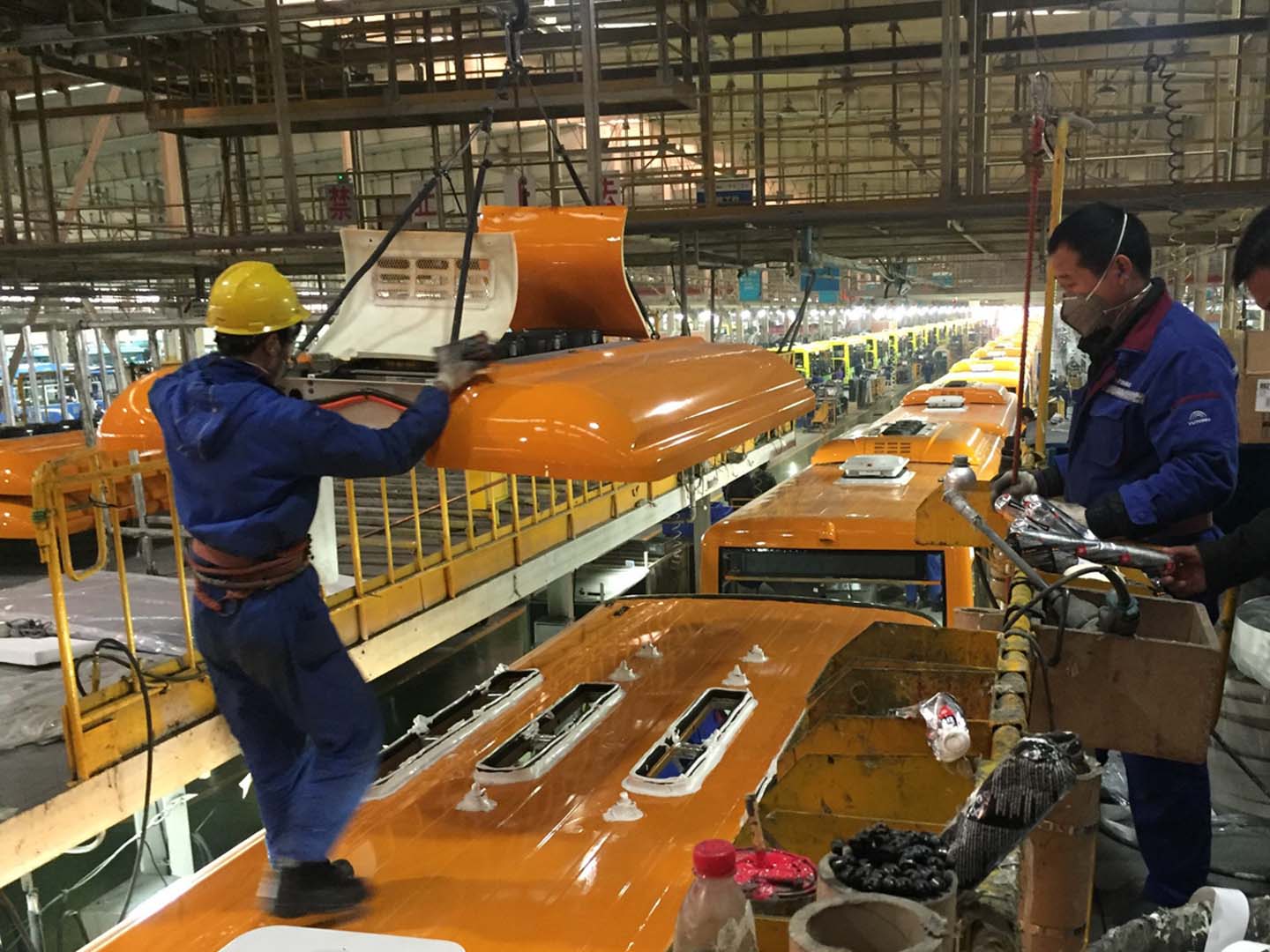
Integration and intelligence are the core advantages and development directions of the DC Bus Acoustic Unit.
1. System Integration: Future systems will no longer be isolated units, but rather integral parts of a vehicle’s integrated thermal management system. As Zhang Yabo, Chairman of Sanhua Intelligent Control, pointed out, the thermal management of new energy vehicles is evolving towards a “holistic thermal management system engineering” that deeply integrates air conditioning, battery, and motor electronic control cooling systems. Through valve and pipeline integration (such as the “eight-way valve” technology pioneered by Tesla), advanced functions such as using battery waste heat to heat the cabin can be achieved, greatly improving energy utilization efficiency.
2. Intelligent Control: Combining AI and big data, DC bus air conditioner unit can achieve precise and personalized automatic temperature control based on variables such as outdoor environment, number of passengers, and passenger preset preferences, achieving optimal energy saving while ensuring comfort. Mahle Group management has emphasized that integrated intelligent thermal management is a prerequisite for mature electric transportation, directly determining the output power, cruising range, and component lifespan of electric vehicles.
3. Increased Value: Thanks to the increased technological complexity and integration, the per-vehicle value of the thermal management system for new energy vehicles far exceeds that of traditional fuel vehicles, reaching approximately 6,000-10,000 RMB, bringing huge market opportunities to related component companies.
Busclima, a manufacturer of DC Bus Ac Units, primarily serves major bus manufacturers, helping them select different technical solutions and suppliers based on the vehicle’s positioning (high-end tourist buses, regular public buses, etc.). For design and installation, visit www.busclima.com or contact busclima@kingclima.com for further technical support.