
DC Bus Acoustic System
As the “thermal management heart” of new energy buses, the DC Bus Acoustic System, driven directly by the vehicle’s high-voltage battery, eliminates reliance on the engine and has become a core system for improving the range, comfort, and reliability of electric buses.
According to information from the 2024 “China Vehicle Thermal Management Technology Annual Conference”—a conference hailed as a trendsetter in the industry—Busclima’s technological innovation is driving the field towards rapid development towards high-efficiency integration and intelligent control.
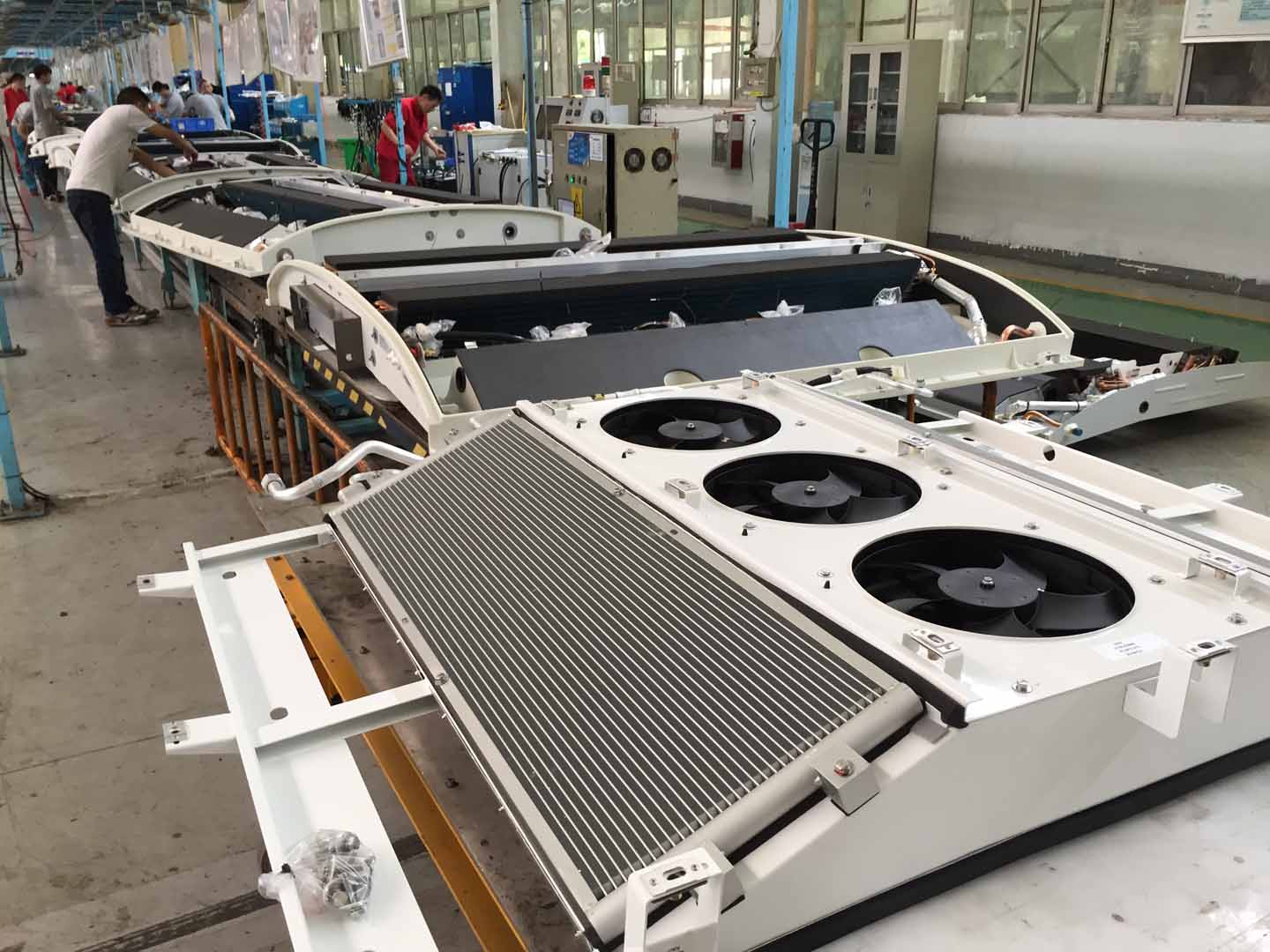
The performance of the DC Bus Acoustic System is defined by a series of key parameters that directly affect the vehicle’s operational efficiency and passenger experience.
Cooling and Heating Capacity
The system needs to possess powerful cooling/heating capacity (typically 10-40kW) to cope with the challenges of full load and large space.
Advanced systems achieve dual cooling and heating functions through four-way reversing valves and PTC electric heating elements, ensuring comfort in both winter and summer.
| Model | AirSuper250 | AirSuper320 | AirSuper360 | AirSuper400 | |
| Cooling Capacity | 25KW | 32KW | 36KW | 42KW | |
| Heating Capacity | Optional | Optional | Optional | Optional | |
| Fresh Air | 1000m³/h | 1000m³/h | 1500m³/h | 1750m³/h | |
| Refrigerant | R134a | R134a/7.5KG | R134a/10.5KG | R134a/13KG | |
| Compressor | Model | Valeo TM31 | Bock FK40/560K | Bock FKX40/560K | BOCK 655K |
| Displacement | 313CC | 554CC | 554CC | 650CC | |
| Weight | 15.5KG | 33KG | 33KG | 31KG | |
| Oil Type | ZXL 100PG | BSE55 | BSE55 | FUCHS Reniso Triton SE55 | |
| Evaporator | Type | Hydrophilic aluminum foil with internal ridge copper tube | Hydrophilic aluminum foil with internal ridge copper tube | Hydrophilic aluminum foil with internal ridge copper tube | Hydrophilic aluminum foil with internal ridge copper tube |
| Air Flow | 4000m³/h | 4000m³/h | 6000m³/h | 7000m³/h | |
| Blower Type | 4-speed centrifugal type | 4-speed centrifugal type | 4-speed centrifugal type | 4-speed centrifugal type | |
| No. of Blower | 4 pcs | 4 pcs | 6 pcs | 8 pcs | |
| Current | 32A | 36A | 48A | 48A | |
| Condenser | Type | Aluminum foil with internal ridge copper tube | Aluminum foil with internal ridge copper tube | Aluminum foil with internal ridge copper tube | Aluminum foil with internal ridge copper tube |
| Air Flow | 5700m³/h | 5700m³/h | 7600m³/h | 9500m³/h | |
| Fan Type | Axial type | Axial type | Axial type | Axial type | |
| No. of Fan | 3 pcs | 3 pcs | 4 pcs | 5 pcs | |
| Current | 24A | 27A | 32A | 40A | |
| Total Current | < 65A | < 75A | < 85A | < 95A | |
| Weight | 170 KG | 170 KG | 215 KG | 263 KG | |
| Dimension (L*W*H) mm | 3038*1820*189 | 3335*1820*187 | 3804*1902*205 | 4435*1902*210 | |
| Application | 6-8 Meter City Bus & Coach | 8-10 Meter City Bus & Coach | 9-11 Meter City Bus & Coach | 11-13 Meter City Bus & Coach | |
Energy Efficiency and Range
Cooling efficiency ratio (COP) is a core indicator.
The system, employing a DC inverter compressor and intelligent stepless frequency conversion control, achieves a cooling energy efficiency ratio (CER) of over 3.4, saving more than 20% energy compared to traditional solutions and significantly extending the bus’s driving range.
Safety and Reliability
To address complex operating conditions such as vehicle vibration and extreme temperatures, the system incorporates multiple electrical protections, including undervoltage, overcurrent, and overload protection.
Stable operation within a wide temperature range of -40℃ to 50℃, while meeting stringent electromagnetic compatibility requirements, has become a standard for high-end products.
Noise Control
Quiet cabin operation is crucial for passenger comfort.
The dual-cylinder compressor balances piston forces, reducing vibration and noise by up to 30%, creating a quiet environment for urban public transportation and other scenarios.
The DC Bus Ac System has evolved from a basic comfort feature to a key intelligent system determining the market acceptance of electric buses.
Its development trajectory clearly points to higher energy efficiency, deeper integration, more intelligent control, and greater environmental friendliness, continuously driving a green revolution in the public transportation sector.
Related posts:
 DC Bus Air Con
 DC Bus Air Conditioning
 DC Bus Air Conditioning System
 DC Ac For Buses
 DC Air Conditioner For Bus
 DC Bus Air Conditioner
 DC Bus Ac Unit
DC Bus Rooftop Air Conditioner
DC Bus Ac Unit
DC Bus Rooftop Air Conditioner
 DC Shuttle Bus Air Conditioner
 DC Coaches Hvac
 Pakistan Bus Air Conditioner
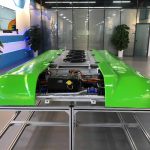 Ac For Buses Pakistan
 Ac For Buses Kazay
تهویه مطبوع برای اتوبوسها Gghab
سیستم تهویه مطبوع اتوبوس مپنا
Ac For Buses Kazay
تهویه مطبوع برای اتوبوسها Gghab
سیستم تهویه مطبوع اتوبوس مپنا
 سیستم تهویه مطبوع اتوبوسهای سایپا
 تكييف الحافلات في مصر
 مكيفات هواء للحافلات هافيلات