
DC Bus Con
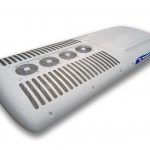
DC Bus Con is an air conditioning system directly driven by the onboard high-voltage DC power supply (usually a battery).
It eliminates reliance on an engine and is key to improving the range, comfort, and reliability of electric buses.
According to busclima, the manufacturer of DC Bus Con, the Chinese new energy vehicle thermal management market is projected to reach RMB 88.3 billion to 94.7 billion in 2025 and exceed RMB 144 billion in 2028.
This rapidly growing market is driving the evolution of DC Ac For Buses in buses towards higher efficiency, integration, and intelligence.
The core performance of DC air conditioning in buses is defined by a series of key parameters and components:
System Configuration: A complete high-voltage DC air conditioning system typically includes a DC inverter compressor, a four-way reversing valve, a condenser, an evaporator, an electronic expansion valve, and PTC (positive temperature coefficient) heating elements. The compressor, fan, and other core motors all use DC motors, forming a “full DC inverter” system to maximize energy efficiency.
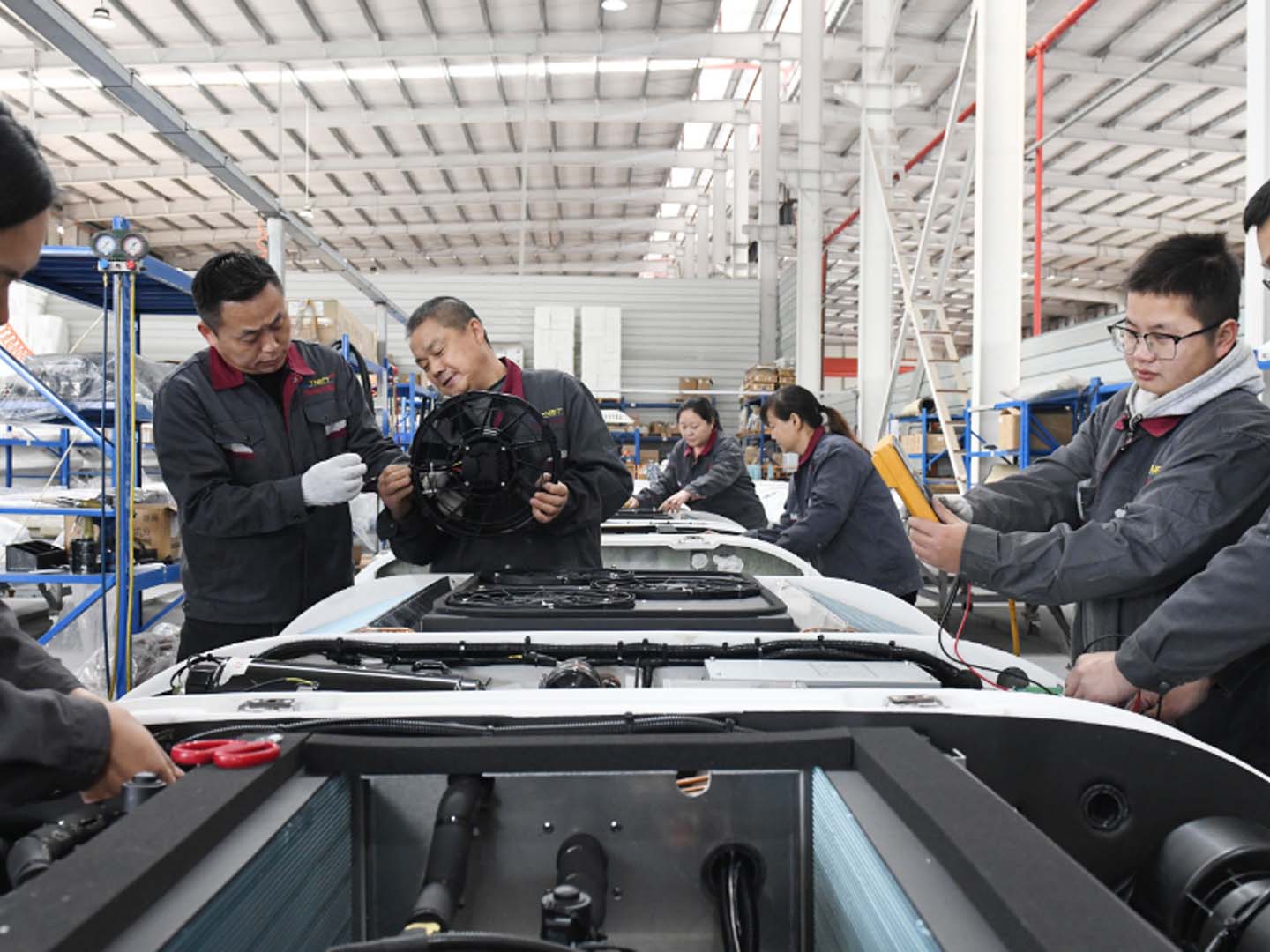
DC Bus Con Key Advantages
High Energy Efficiency Ratio (COP): The full DC inverter technology allows for stepless adjustment of the compressor speed based on the vehicle’s load, avoiding energy loss from frequent start-stop cycles. Compared to traditional fixed-speed air conditioning, energy savings can reach 30% to 50%.
Precise Temperature Control: The DC motor, combined with an intelligent control system, can control cabin temperature fluctuations within an extremely narrow range of ±0.5℃, significantly improving comfort.
Low Noise and High Reliability: The DC motor operates more smoothly, significantly reducing noise. Simultaneously, the system incorporates multiple electrical protections, including undervoltage, overcurrent, and overload protection, ensuring safe and stable operation under complex vehicle conditions.
DC air conditioning in buses primarily serves electric buses operating at high frequency and intensity, such as city buses, long-distance passenger transport, airport shuttles, and tourist buses. Its value is increasingly highlighted through deep integration into the vehicle’s thermal management system.
The current vehicle thermal management architecture is evolving from a decentralized to a highly integrated model, with the air conditioning system deeply integrated with the temperature control of subsystems such as the battery and electric drive. This trend places higher demands on control precision and response speed. At the 2025 New Energy and Thermal Management Forum, Gao Feng, Marketing Manager of Nanochip Technology, pointed out that integration has become the core direction for improving system efficiency. It not only achieves space saving and lightweighting but also significantly improves the overall energy utilization efficiency of the vehicle through comprehensive thermal management (such as waste heat recovery).
DC air conditioning in buses has evolved from a basic comfort feature to a key intelligent system determining the competitiveness of electric buses in the market. Its future will focus on continuous innovation along three main lines: higher energy efficiency, deeper integration, and greater environmental friendliness, deeply empowering the green revolution in public transportation.
Related posts:
 DC Bus Air Conditioner
 DC Air Conditioner For Bus
 DC Bus Air Conditioning System
 DC Bus Air Con
 DC Bus Air Conditioning
 DC Bus Ac System
 DC Ac For Buses
 DC Bus Ac Unit
 DC Shuttle Bus Air Conditioner
DC Bus Rooftop Air Conditioner
DC Shuttle Bus Air Conditioner
DC Bus Rooftop Air Conditioner
 Pakistan Bus Air Conditioner
 DC Coaches Hvac
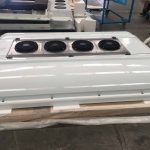 Acc Bus Air Conditioning
 Ac For Buses Superliner
 Bus Cond System Comprehensive Analysis Report
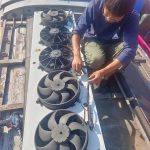 Why Install SONACOME SNVI Bus Con?
 Where to purchase Algeria Bus Con?
 Are Algerian’s poor hesitant to use SNVI Bus Con?