
Bus conditioner Core components such as the compressor, multi-ribbed belt, and condenser, will directly lead to reduced cooling performance or even complete failure if they malfunction. Compressor failure is a frequent problem; internal wear or motor damage can hinder refrigerant circulation, requiring professional inspection to determine if replacement is necessary.
Bus conditioner operate in harsh environments and are prone to malfunction.
For example, if the bus air conditioner doesn’t cool when the engine is idling, it might be due to a lack of high idle speed, a non-rotating compressor pulley, etc., requiring inspection of the electronic injection high idle speed control, pulleys, and drive belts.
If the air conditioner compressor is running normally but cooling is poor, it might be due to damage to the compressor valve plate or refrigerant leakage, requiring disassembly, inspection, and repair based on the specific cause.
Abnormal compressor pulley operation may indicate a relay malfunction, requiring inspection and replacement. Excessive compressor noise may indicate loose or faulty mounting brackets, requiring inspection and tightening or replacement of parts.
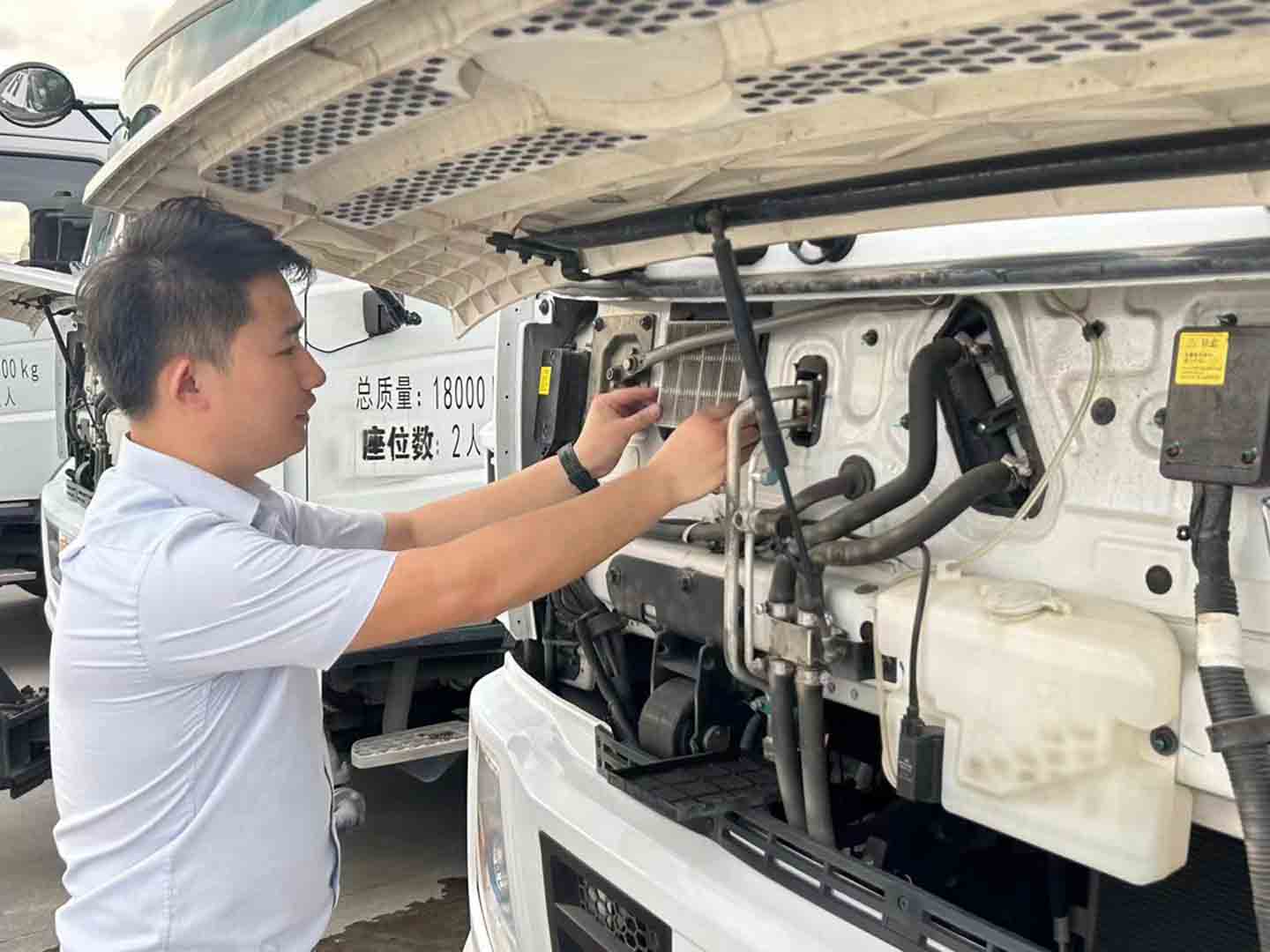
Bus conditioner malfunctions can be detected using a multimeter under specific conditions, and the problem can be determined based on the pressure readings.
If the system contains moisture, intermittent cooling may occur; the dryer should be replaced or the system evacuated to remove moisture and recharged with new refrigerant.
Poor cooling performance and low pressure may indicate a gas leak or insufficient refrigerant. Check for leaks and add refrigerant.
Poor refrigerant circulation and low pressure may indicate a fouling receiver. Replace the receiver.
The system may not cool and low pressure may indicate moisture or fouling in the refrigerant, obstructing its flow. Check, clean, or replace affected parts.
Insufficient cooling and high pressure may indicate excessive refrigerant or insufficient condenser cooling. Clean the condenser and check the refrigerant charge.
Poor cooling performance and high pressure may indicate air entering the system or a faulty expansion valve. Check and address the compressor oil issue.
The system may not cool, with high low-pressure and low high-pressure sides, indicating an internal compressor leak. Repair or replace the compressor.
Drivers can routinely diagnose these issues by visual inspection, listening, and touch.
Visual inspection mainly involves checking the pressure, temperature, and ammeter readings. Observe the compressor oil level, refrigerant flow, frost on the low-pressure lines, and for any oil leaks.
Listen for unusual noises or impacts from operating equipment, and listen for the refrigerant flow sounds within the expansion valve. Any abnormal sounds require stopping the system and investigating the cause.
Check the system piping for temperature changes, equipment heat generation, and compressor vibration by touch.
Touch the condenser; there should be a noticeable temperature difference between the inlet and outlet pipes. A small temperature difference may indicate a blocked condenser or low refrigerant levels, requiring cleaning or refrigerant replenishment.
Abnormal temperature differences between the inlet and outlet pipes of the condenser, or inconsistent temperature differences before and after the dryer filter, indicate a problem.
The expansion valve body should have uniform frost or condensation; the inlet should not have thick frost. There should be a slight airflow sound and a temperature difference when refrigerant flows through the expansion valve.
The area from the compressor discharge valve to the expansion valve should be hot to the touch, while the area from the expansion valve outlet to the compressor suction valve should be cool to the touch.
The sight glass should be free of air bubbles, and the air from the vehicle’s air vents should feel cool. The refrigeration system should be free of oil and refrigerant leaks, and there should be no abnormal noise during operation.