
Bus air conditioning manufacturing is a large, mature, and highly competitive industry in China, supplying products to bus manufacturers, modifiers, and distributors worldwide.
The development trajectory of this industry is closely linked to the rapid growth of China’s bus industry and even the Chinese economy, exhibiting distinct development characteristics and future trends.
Chinese manufacturers have rapidly risen by leveraging their domestic bus manufacturing advantages, with SONGZ and BUSCLIMA being typical examples.
SONGZ BUS AC
an A-share listed company, is undoubtedly a giant in the bus AC industry.
SONGZ has established extremely high barriers to entry in R&D, production, sales, and service networks.
Its products cover various market segments, from large buses and highway coaches to new energy vehicles,
and it has formed stable supply chain relationships with mainstream bus manufacturers such as Yutong, King Long, and Zhongtong.
Also well-known and powerful brands, they possess strong influence in specific regions or niche markets.
BUSCLIMA BUS AC
Focuses on vertical integration, providing core components such as roof-mounted air conditioners and duct systems to multiple domestic bus manufacturers. Exports are planned for the Middle East, South America, and Europe by 2025.
Extreme Environment Optimization: -30℃ extreme cold start technology (compressor preheating circuit), 60℃ high-temperature heat dissipation solution (parallel flow microchannel condenser); Cost Control: Leveraging supply chain collaboration, the air conditioning system is integrated with the vehicle chassis design, reducing assembly time by 20%.
Visit www.busclima.com or contact busclima@kingclima.com
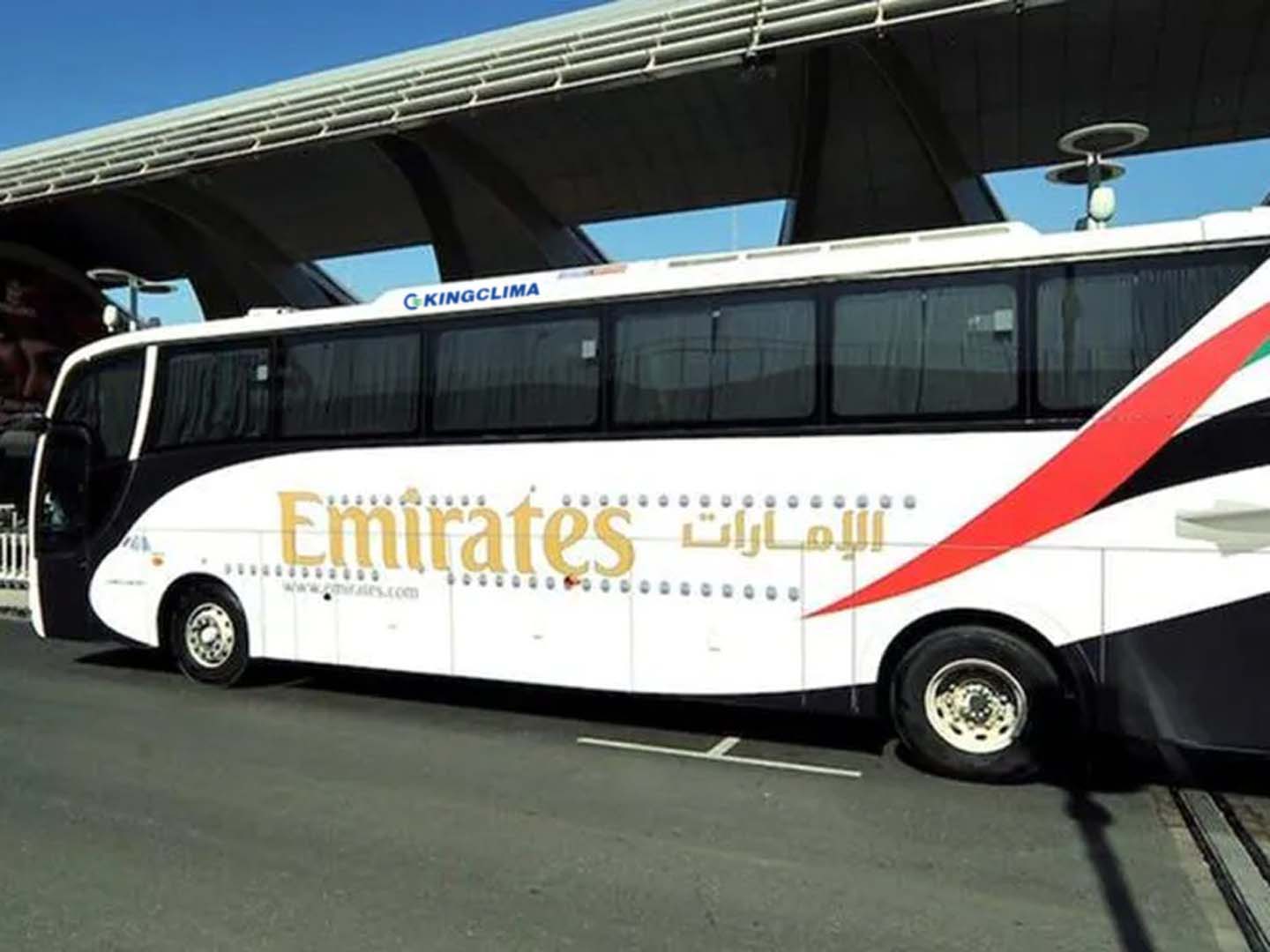
The rapid development of China’s bus air conditioning industry is mainly driven by two core forces
1. The explosive growth of the new energy vehicle industry
This is the most powerful driving force in recent years.
Compared to traditional bus air conditioning, new energy (pure electric) bus air conditioning faces two core challenges: energy consumption and heating capacity.
Energy Consumption: The power consumption of air conditioning directly affects the bus’s driving range. Therefore, high-efficiency electric compressors, intelligent temperature control algorithms, and low-resistance fans have become the focus of technological competition.
Heating: Abandoning traditional engine waste heat heating has spurred the rapid popularization and cost reduction of heat pump air conditioning technology. Currently, heat pump systems have become standard equipment in mid-to-high-end new energy buses, and their technology and reliability have reached international advanced levels.
2. Urbanization and Public Transportation Priority
China’s ongoing urbanization wave and “public transportation priority” strategy have brought about huge demand for new and replacement buses.
Government subsidies and procurement for public transportation provide a stable source of orders for the bus air conditioning market.
In particular, the demand for environmentally friendly, comfortable, and intelligent buses has directly driven the market for high-end air conditioning products.
Core Competitive Advantages: Complete Industry Chain and Cost Control
Complete Local Supply Chain
From compressors, aluminum, and copper pipes to electronic components, China possesses the world’s most complete automotive air conditioning industry chain. This ensures production stability and unparalleled cost advantages.
Rapid Response and Customization Capabilities
The rapid product iteration speed of Chinese bus factories requires air conditioning suppliers to have extremely strong collaborative R&D and rapid response capabilities. Local factories can quickly provide customized solutions based on customer needs, which is difficult for international brands to match.
Economies of Scale and Cost Control
The sheer size of the market allows leading companies to significantly reduce unit costs through large-scale production, providing highly competitively priced products while maintaining reasonable profits.
Future Trends: Intelligentization, Integration, and Globalization
Intelligent Connectivity (iOVC)
Future bus air conditioning will no longer be an isolated component, but a crucial link in the vehicle-to-everything (V2X) ecosystem.
Through cloud platforms, intelligent functions such as remote fault diagnosis, early warning, energy consumption management, and pre-shift pre-cooling/pre-heating can be achieved, improving operational efficiency and reducing maintenance costs for bus companies.
Fully Integrated Thermal Management System
Technological advancements are shifting from “single air conditioning” to “whole vehicle thermal management.”
Integrating cabin air conditioning, battery cooling/heating, and electric drive system heat dissipation into a single system with intelligent control achieves optimal energy allocation, maximizing the driving range and system reliability of new energy buses.
Expansion into Overseas Markets
As Chinese bus brands SONGZ and BUSCLIMA make rapid progress in the global market, their supporting Chinese air conditioning companies are also expanding overseas.
They are shifting from simply exporting products to establishing overseas service systems and exporting technical standards, competing with international brands such as TEDA and Carrier on a global scale.
Related posts:
 Bus Air Conditioning Maintenance
 Ac For Bus Manufacturer
 Bus Air Conditioner Manufacturer
 Bus Air Con Manufacturer
 Bus Air Conditioning Manufacturer
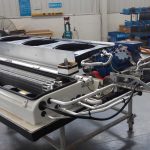 How does Ac For Buses Manufacture adapt to high-altitude environments?
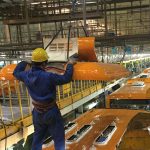 History of Development at Bus Ac Manufacturer
 Bus Con Manufacturer
 History of Technological Development in Coaches Hvac Manufacturer
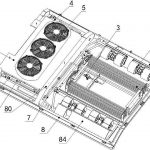 Bus Air Conditioner is used for buses and medium-sized commercial vehicles
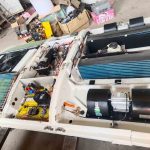 Introduction to Ac For Bus
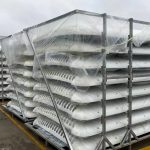 Bus Con Supplier reminds all bus owners to clean BUS AC