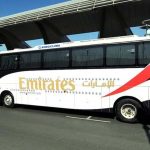
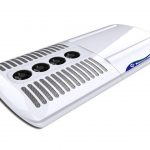
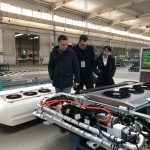
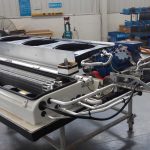
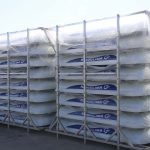
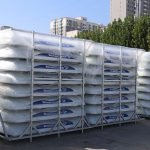
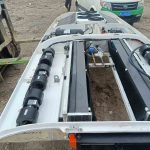
Bus Ac Manufacturer is a quiet, orderly, and technologically advanced precision manufacturing base. Starting with a single aluminum ingot and a copper pipe, it undergoes hundreds of precise processes and rigorous testing to ultimately create a complex system capable of stable operation for ten years in extreme environments, providing passengers with a comfortable ride year-round. It represents the remarkable achievements of Chinese manufacturing in specialization, refinement, and intelligence, and is an indispensable high-value link in the bus industry chain.
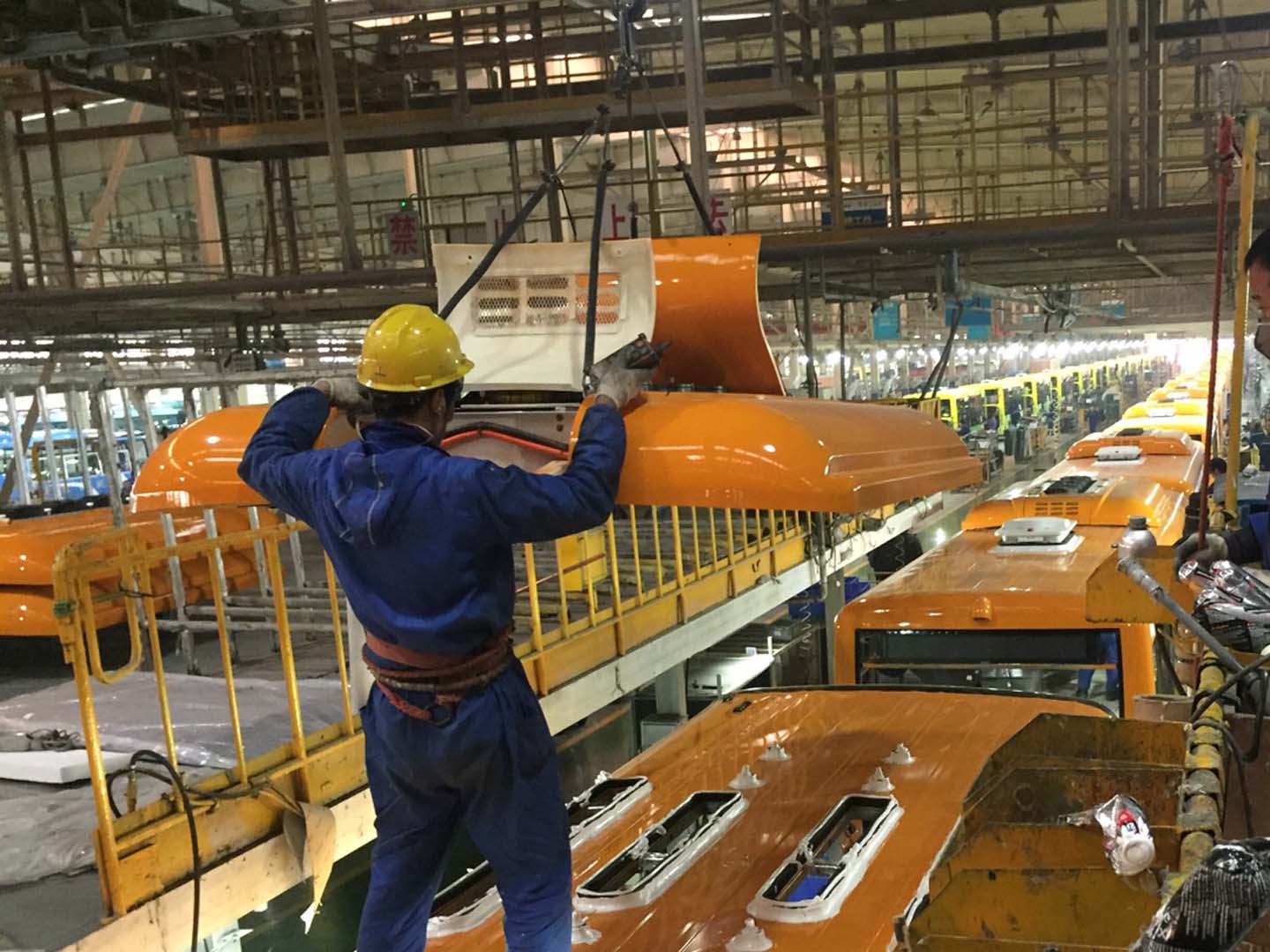
The History of Development at Bus Ac Manufacturer
Phase 1: Blank Space and Enlightenment (1980s and earlier)
At that time, buses themselves were considered valuable assets, and buses equipped with air conditioning were extremely rare, mainly used for top-of-the-line tourist buses or foreign affairs receptions.
China had almost no independent research and development or production capabilities, relying entirely on imports of complete Bus Ac from Japan and Europe.
The prices were extremely high, maintenance was difficult, and parts lead times were long.
Phase 2: Introduction, Assimilation, and Localization (1990s)
With China’s economic take-off, the demand for highway passenger transport and urban public transport exploded, increasing the requirements for passenger comfort.
National policies encouraged the localization of auto parts production to reduce overall vehicle costs.
The first batch of domestic Bus Ac Manufacturer (such as SONGZ) emerged.
Phase 3: Independent Innovation and Scale Expansion (2000s)
China’s accession to the WTO led to the start of bus exports, forcing the upgrading of supporting component technologies.
Accelerated urbanization and the implementation of the public transport priority strategy created a stable government procurement market.
Leading companies established complete R&D systems, beginning to adapt and innovate for China’s complex road conditions and climate.
Product reliability and lifespan improved significantly, cost advantages became more prominent, and imported products were almost completely replaced.
Roof-mounted air conditioners became the mainstream design, saving interior space.
Chinese manufacturers rapidly rose to prominence by leveraging their domestic bus manufacturing advantages; SONGZ and BUSCLIMA are typical examples. Visit www.busclima.com or contact busclima@kingclima.com
Phase 4: Technological Leadership and Intelligentization (2010s to Present)
The explosive growth of China’s new energy vehicle industry.
Electrification and Heat Pump Technology Revolution
Intelligentization and Connectivity
Environmental Protection and Green Development
Current Technological Frontiers and Future Trends
The future technological high ground lies in the integrated design and intelligent control of the three major systems: cabin air conditioning, battery thermal management, and electric drive system cooling.
Through a centralized “thermal management domain controller,” cooling and heating are dynamically allocated based on vehicle status, achieving optimal utilization of the vehicle’s energy.
Through variable frequency technology, high-efficiency fans, and optimized heat exchanger design, the energy consumption of the air conditioning system itself is continuously reduced, providing the ultimate solution to the “range anxiety” of new energy buses.
In the post-pandemic era, features such as antibacterial filters, negative ion generators, PM2.5 purification, carbon dioxide concentration monitoring, and automatic fresh air systems are transitioning from high-end optional features to standard configurations, aiming to create a healthier and more comfortable in-vehicle environment for passengers.