
Algeria Bus Condition cannot rely solely on “cooler air conditioning” to cope with severe weather. It requires a systematic, targeted, and reliability-centric engineering solution.
Given Algeria’s complex weather conditions—high temperatures, high dust levels, and extreme cold in some areas—Busclima’s strategy involves a comprehensive approach across four key areas:
I. Redundancy Design Concept
Traditional design approaches are geared towards temperate or generally hot climates. For Algeria, a “redundancy design” and “reinforced design” approach is essential.
Cooling Capacity Redundancy
The standard cooling capacity (BTU/h or kW) of the Algeria Bus Condition must have a 30%-50% redundancy over theoretical calculations. This means that even in extreme conditions of 50°C, the air conditioning system can still effectively maintain the cabin temperature at 23-25°C, rather than struggling to operate under extreme conditions.
Materials and Process Enhancement
All exposed components, such as condenser fins, fan impellers, and housings, must be made of corrosion-resistant and UV-resistant materials. Evaporator fins should be treated with a hydrophilic blue or gold film, which provides both corrosion protection and improved heat exchange efficiency.
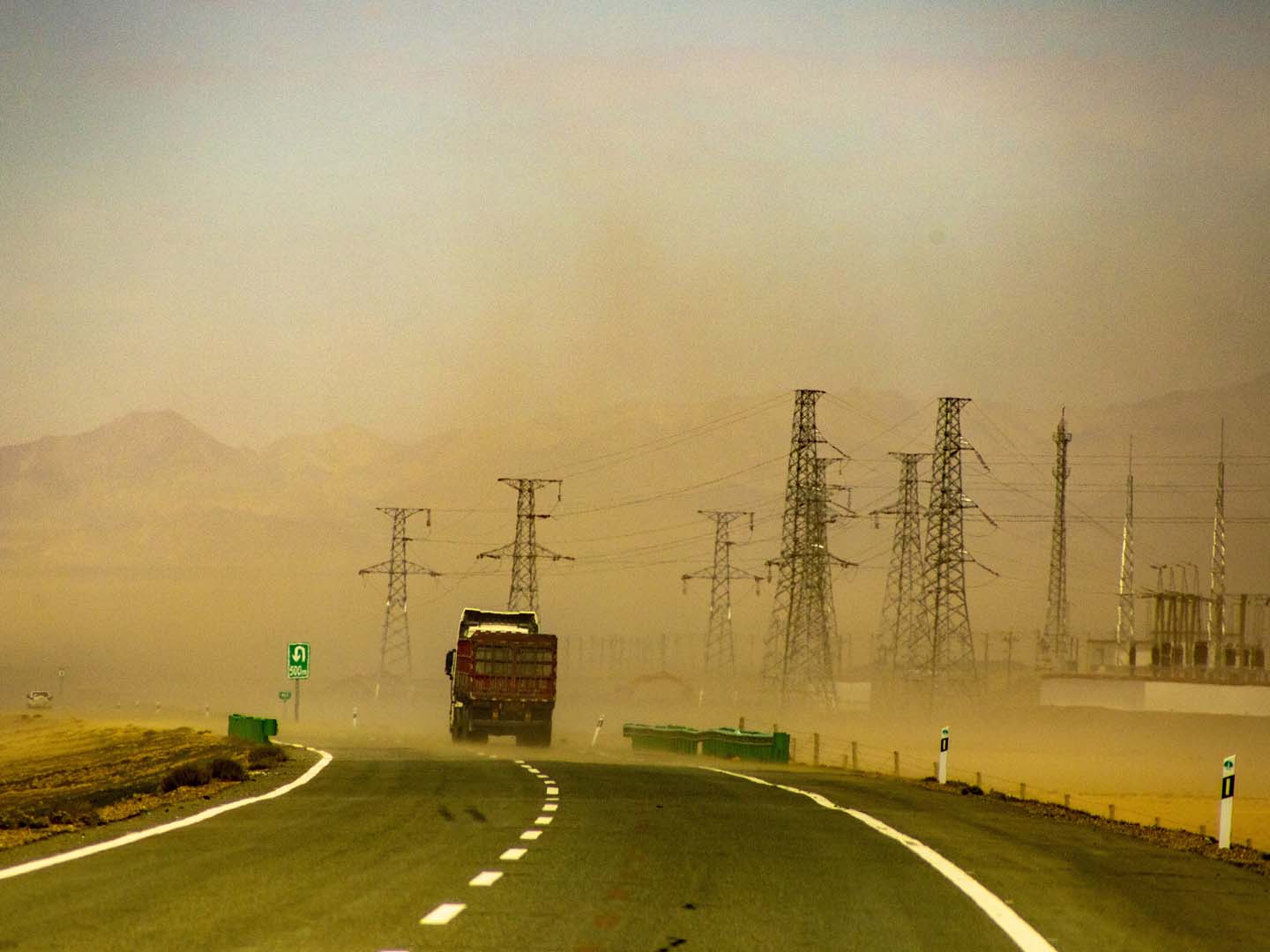
BUSCLIMA states that the value of a qualified Algeria Bus Condition lies not in its price, but in its ability to guarantee vehicle uptime and passenger comfort and safety in the worst weather conditions.
If your Algeria Bus Company requires more design details and parameters, visit www.busclima.com or contact busclima@kingclima.com for detailed solutions.
This requires manufacturers to build a complete solution centered on “adaptability and reliability,” encompassing design, selection, manufacturing, and after-sales service. For operators, investing in such a system is essentially a strategic investment in business continuity and brand reputation.
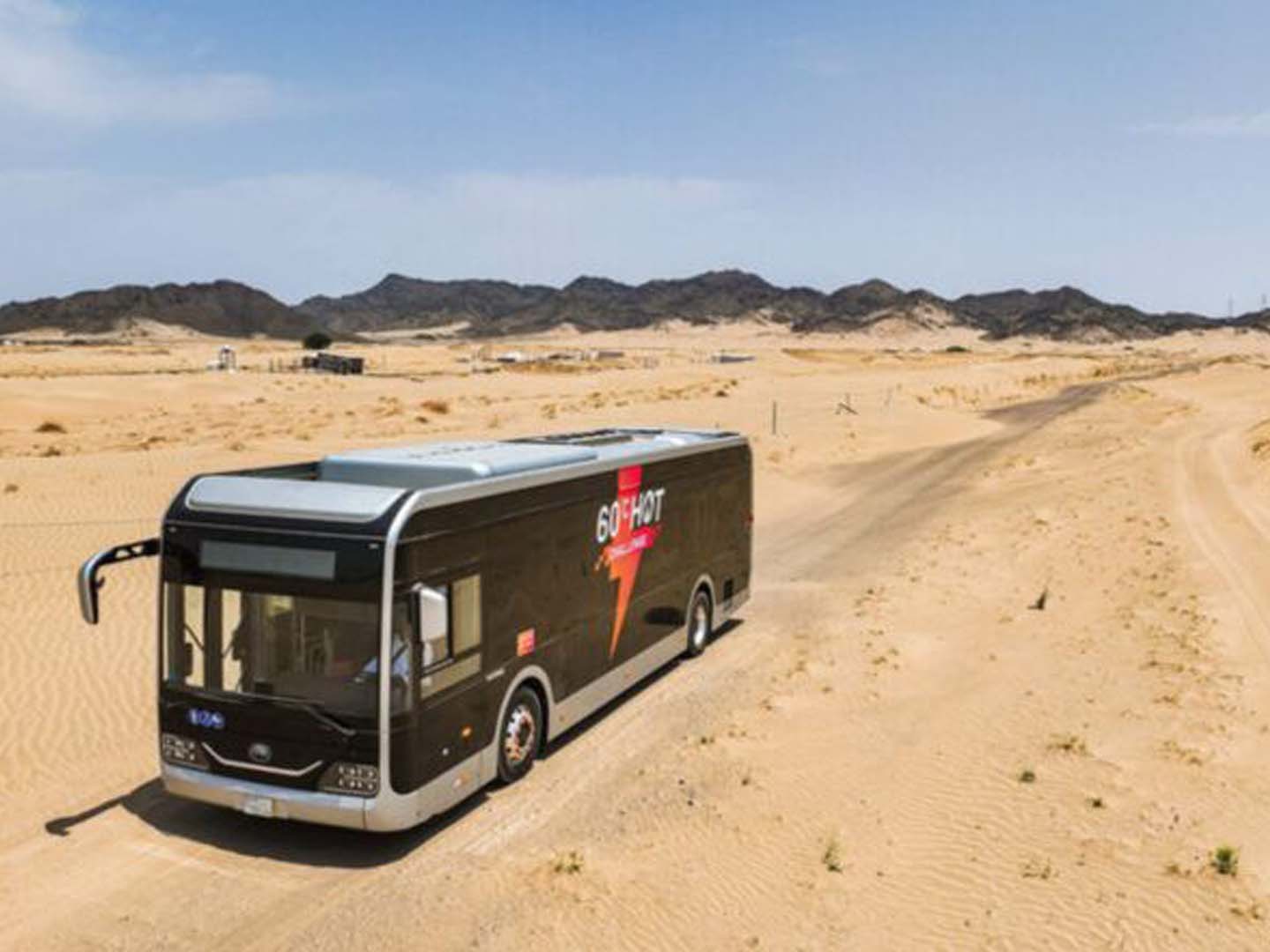
II. Specific Countermeasures
Combating High Temperatures
Algeria Coach Hvac condenser has an independent engine and cooling system, completely isolated from the main engine, eliminating any interference with heat dissipation. For cost-sensitive models, a dual-condenser design (main and auxiliary condensers) can be used to increase the heat dissipation area. Use an independent condenser or a dual-condenser design. Employ a high-pressure, high-volume axial fan to ensure forced ventilation and effective heat dissipation even at idle and when climbing hills.
Install a water spray system in front of the condenser. The evaporation of water absorbs heat, significantly reducing the temperature of the air entering the condenser, which is extremely effective in hot and dry regions.
Combating Dust
The condenser cover should be designed for quick removal, allowing the driver or mechanic to clean it weekly from the inside out with a high-pressure air gun or water gun.
The return air vents must be equipped with washable and replaceable primary and secondary filters to effectively prevent sand and dust from entering the evaporator. This is the lowest-cost yet most effective protective measure.
Special dustproof sealing treatment should be applied to all circuit boards, motor bearings, and other critical components of the air conditioning system.
Combating the Cold
Desert regions experience extreme temperature differences between day and night, with nighttime and winter temperatures dropping below 0°C. The air conditioning system needs to provide heating, and low temperatures affect compressor start-up and lubricant performance.
An independent fuel heater is a reliable and efficient winter heating solution. Independent of the engine, it burns diesel fuel to generate heat for the passenger compartment. It continues to operate even when the engine is off, making it ideal for long-distance buses during nighttime rest.
For electric buses, heat pump air conditioning is the preferred choice for efficient heating. However, for extremely low temperatures, it still needs to be used in conjunction with PTC electric auxiliary heating.
The compressor and control unit should be designed for low-temperature environments to ensure normal start-up and operation in temperatures ranging from -20°C to -30°C.
III. Intelligent Control
Intelligent Variable Frequency Control
A variable frequency compressor is used, automatically adjusting power according to the actual load inside the vehicle, avoiding the shocks and temperature fluctuations caused by frequent start-stop cycles.
The Algeria Bus Condition’s fan motor uses stepless speed regulation, achieving quiet operation and energy savings.
Fault Warning and Diagnosis System
The system should possess self-diagnostic capabilities, monitoring parameters such as pressure and temperature in real time, and providing early warnings via the display screen for issues like “filter blockage” and “insufficient refrigerant,” guiding drivers to perform preventative maintenance and preventing minor problems from escalating into major malfunctions.
Key Component Reinforcement
The compressor uses a high-temperature resistant, long-life piston compressor.
The piping uses vibration-resistant and wear-resistant reinforced pipes and joints to prevent leaks under harsh road conditions.
IV. Beyond the Product Itself
After-Sales Service
Provide a “Dedicated Maintenance Solution for High-Temperature and High-Dust Environments,” suggesting shorter cycles for filter cleaning and system inspections.
In terms of spare parts supply, prioritize stockpiling vulnerable and high-load components such as condensers, compressors, filters, and fan motors.
Localized Training
Provide specialized training for Algeria Bus Condition’s maintenance technicians and drivers. Teach drivers how to properly use a water gun to clean the condenser, how to determine if the filter needs replacement, and other routine maintenance skills; they are the first line of defense for ensuring the long-term stable operation of the air conditioning system.
Clear communication and commitment. Specifically tested for extreme high temperatures of 55°C and dusty desert environments to ensure high uptime.
Related posts:
 Bus Air Conditioner is used for buses and medium-sized commercial vehicles
 Where to purchase Algeria Bus Con?
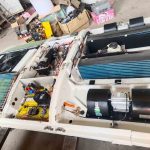 Introduction to Ac For Bus
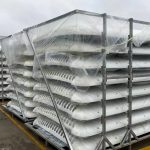 Bus Con Supplier reminds all bus owners to clean BUS AC
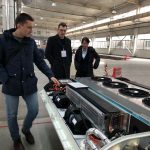 Thermo King Bus Ac Unit
 Algeria Coaches Hvac: Born for “Hell Mode”
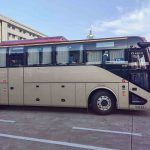 Shuttle Bus Air Conditioner suppliers and manufacturers in China