
SONACOME SNVI Bus Con should be installed in the vast majority of commercial vehicles used for passenger transport, such as city buses, coach buses, minibuses, and midibuses.
Bus Con addresses the core of consumer behavior, social development, and environmental adaptation. The Algerian people’s willingness to ride air-conditioned buses or coaches is not driven by a single reason, but by a series of strong physiological needs, economic considerations, and growing social expectations.
1. Climate Determines the Demand for Bus Con
Summer temperatures can reach 35°C to 40°C, coupled with the humidity from the Mediterranean, making it extremely hot and uncomfortable.
Daytime temperatures often exceed 45°C, reaching 50°C in extreme cases. In such environments, the internal temperature of a closed, un-air-conditioned carriage exposed to sunlight for just a few minutes is sufficient to cause heatstroke, dehydration, or even death, making it extremely dangerous to ride in.
In a hot, enclosed environment, passengers are prone to dizziness, nausea, heatstroke, and other health problems. This is especially dangerous for the elderly, children, and people with underlying medical conditions. Air conditioning provides a safe and controlled microclimate environment.
2. Affluent Residents Determine Demand for Bus Con
Cool, dry air keeps people feeling refreshed and calm, a stark contrast to being drenched in sweat outside.
Whether it’s a long journey of several hours or a congested city commute, air conditioning makes the time spent “trapped” in the vehicle bearable, even a form of rest.
Air conditioning systems typically circulate and filter the air, reducing the entry of dust, pollen, and other pollutants from outside, which is especially important in southern Algeria, where sandstorms are frequent.
3. Economic Development Roughly Demands for SONACOME SNVI Bus Con
A cool commuting environment allows employees to arrive at work refreshed and energized, rather than exhausted from the heat. On a macro level, this helps maintain social productivity.
Providing air-conditioned buses is seen as a reflection of social care and a high level of public service, ensuring that all citizens, regardless of whether they own a private car, can travel with dignity in hot weather.
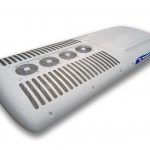
If installing the SONACOME SNVI Bus Con (SNVI 100 L6 and 100 V8 bus air conditioner), there’s not much to consider in terms of critical aspects or fluid dynamics and engineering integration.
Busclima engineers select the appropriate cooling capacity for the SNVI 100 L6/V8, typically within the range of 32-36 kW.
busclima@kingclima.com
| Model | Current (A) |
Cooling Capacity (KW/BTU) |
Installation | Evaporator Air Volume (m³/h) |
Condenser Air Volume (m³/h) |
Refrigerant | Dimension (mm*mm*mm) |
Weight (KG) |
Application of Bus |
| Airsuper250 | 32 | 25/85000 | Rooftop | 4000 | 5700 | R134a | 3038*1820*189 | 170 | 6-8M |
| Airsuper320 | 36 | 32/108000 | Rooftop | 4000 | 5700 | R134a | 3335*1820*187 | 170 | 8-10M |
| Airsuper360 | 48 | 36/122000 | Rooftop | 6000 | 7600 | R134a | 3804*1902*205 | 215 | 9-11M |
| Airsuper400 | 48 | 42/143000 | Rooftop | 7000 | 9500 | R134a | 4435*1902*210 | 263 | 11-13M |
The SONACOME SNVI Bus Con should be installed in a well-ventilated area on the roof. It’s usually located in the front-middle section of the roof, but should be avoided directly above the driver (to prevent noise interference).
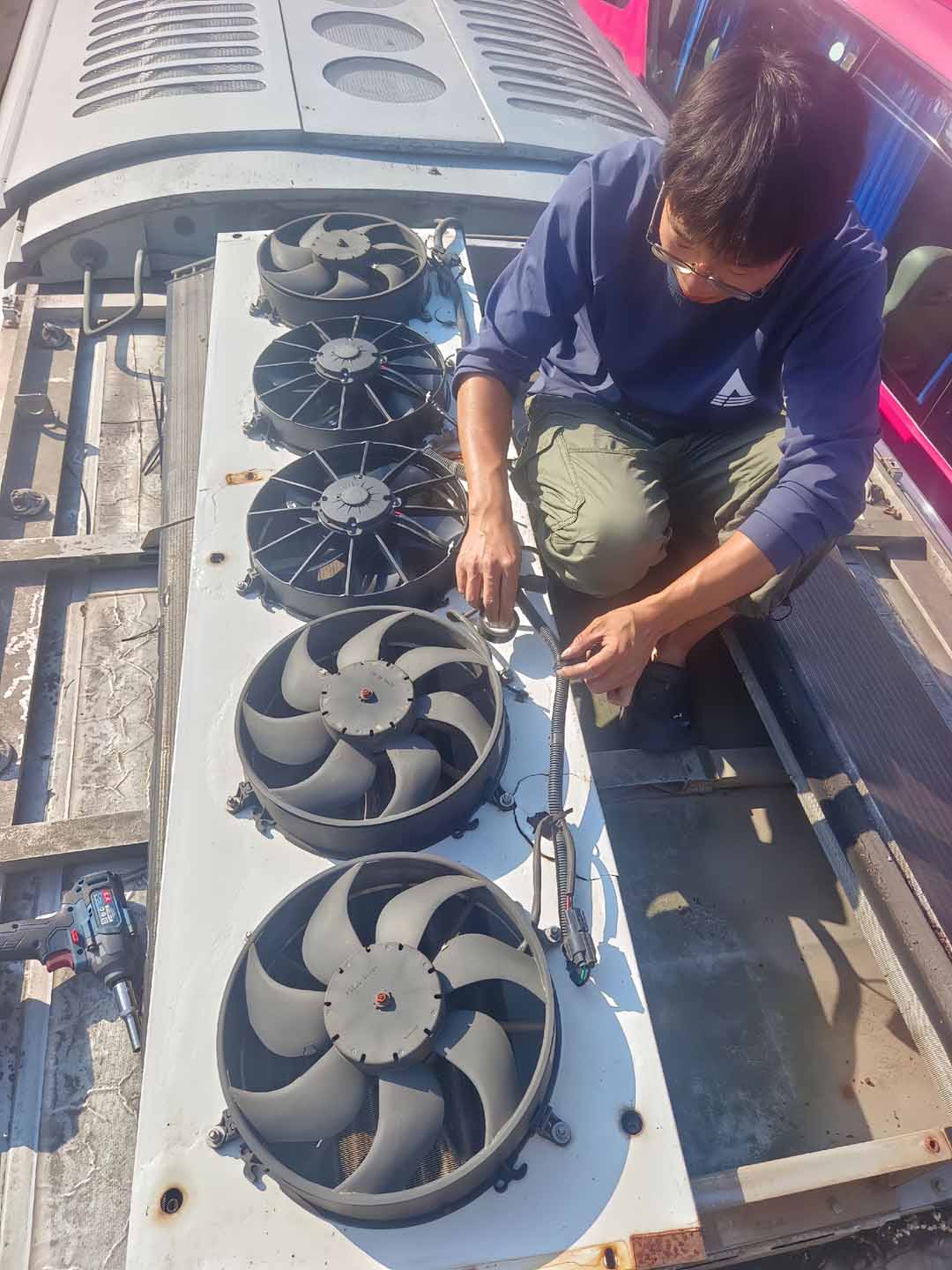
When the vehicle is traveling at high speeds, the airflow velocity over the roof is very high. A good installation location and airflow design can utilize dynamic pressure to assist heat dissipation, reducing fan energy consumption and noise. Conversely, poor design will create resistance.
The cool air from the air conditioning unit needs to be delivered to all parts of the passenger compartment through ducts installed on both sides of the roof.
The duct design must ensure uniform airflow distribution. Otherwise, the airflow will be higher near the vents and lower further away, resulting in uneven heating and cooling of the passenger compartment.
Busclima engineers warn that installing an air conditioner by drilling a hole in the roof will weaken the vehicle’s structure. A reinforcing beam must be added to distribute stress and vibration.
The connection between the mounting base and the roof must be sealed with high-quality sealant for both water and air tightness to prevent leaks and noise.
Related posts:
 Bus Air Conditioner is used for buses and medium-sized commercial vehicles
 Finite Element Analysis of MTC MAN Bus Hvac
 MTC MAN Bus Aircon System
 SONACOME SNVI Bus Air Conditioner
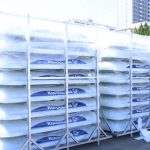 SONACOME Bus Air Conditioner
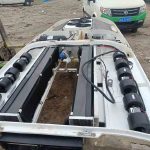 Air Conditioner For Bus
 SNVI Bus Air Conditioner New Supplier
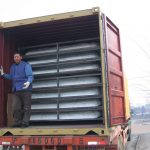 China Higer Bus Air Conditioner
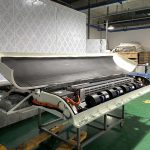 Carrier Bus Air Conditioner
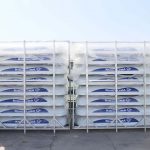 Bus Con Unit Price differs significantly from that in the Chinese market
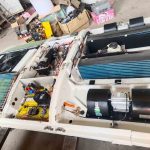 Introduction to Ac For Bus
 Why Install the 100 L6 Bus Air Conditioner?
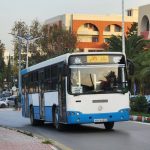 Why Install 100 V8 Bus Air Conditioner?
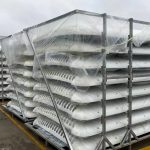 Bus Con Supplier reminds all bus owners to clean BUS AC
 Where to purchase Algeria Bus Con?
 Thermo King Bus Ac Unit
 Bus Aircon Manufacturer
 Shuttle Bus Air Conditioner suppliers and manufacturers in China