
RV Aircon is suitable for converting vans, trucks, and minibuses into motorhomes, a very common and flexible need. Vans and minibuses are often cramped and poorly insulated, making the choice and installation of air conditioning crucial in the high temperatures of Southeast Asia.
Compared to minibuses or towed motorhomes, van conversions (Vanlife) prioritize an optimal balance between space, weight, and power in their air conditioning solutions.
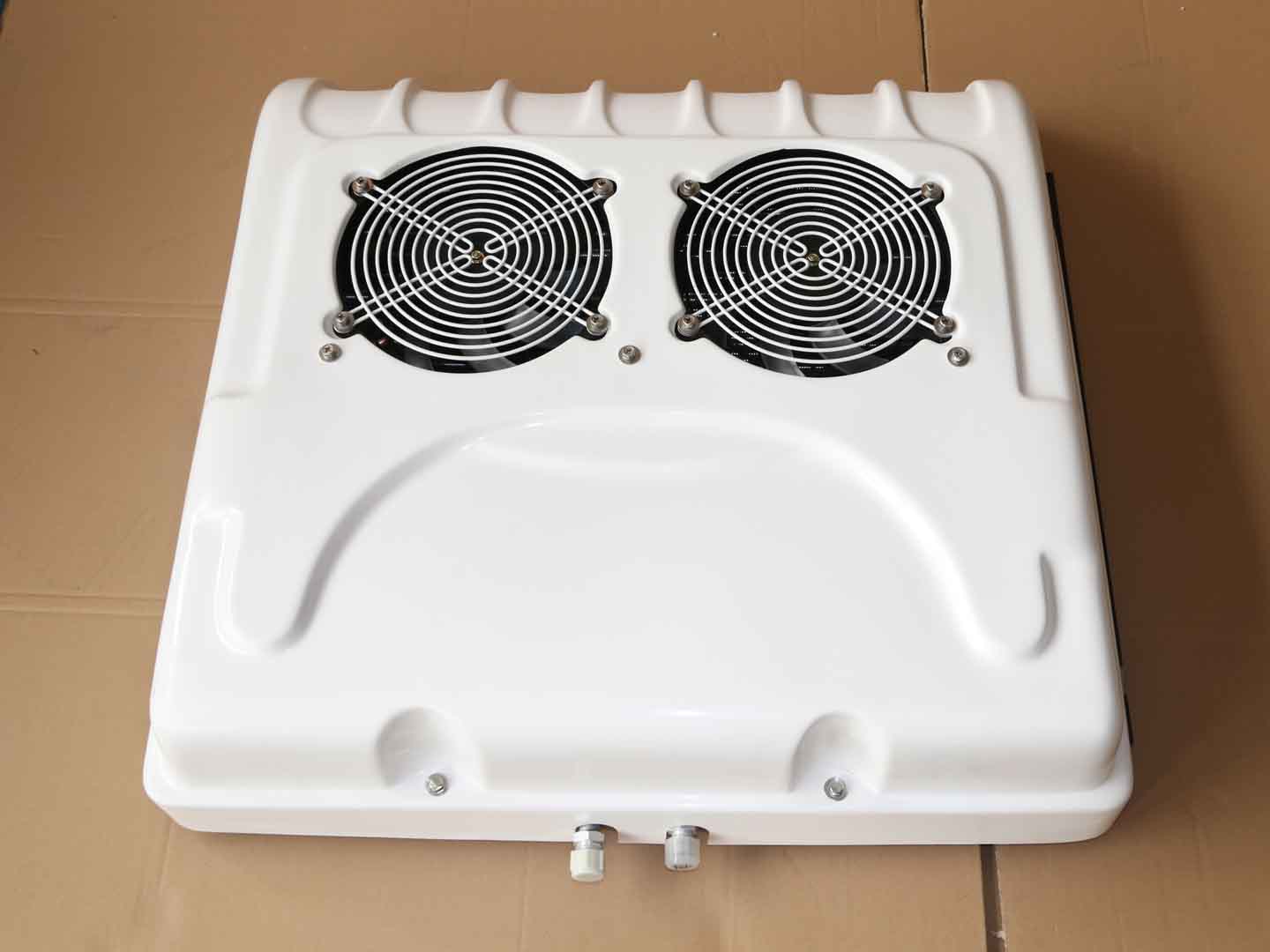
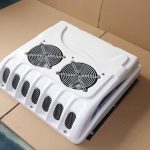
RV Aircon is similar to that used in minibuses, but smaller and with lower power (typically 9000-13500 BTU). It offers better shock resistance than household air conditioners and has a relatively standard installation.
Regardless of the chosen solution (except for the vehicle’s air conditioning), a robust electrical system is fundamental to van air conditioning. An “air conditioning solution” is essentially an “electrical solution.”
1. Lithium iron phosphate batteries are the only option. A minimum of 200Ah (12V) or 100Ah (24V) is recommended. If you want the air conditioning to run overnight, you’ll need 400Ah (12V) or 200Ah (24V) or higher.
2. A high-powered car charger (at least 40A) is required to ensure rapid battery charging while driving.
3. Solar panels should cover the entire roof, at least 300W-600W. Southeast Asia has abundant sunshine, which is the primary source of electricity during the day.
4. A mains charger is needed for quick charging at campsites.
| Model | KK-30 | KK-50 | KK-100 | KK-120 | KK-140 | |
| Cooling Capacity | 3KW/10300BTU | 5KW/17166 | 10KW/34121 | 12Kw/42000BTU | 14KW/48000BTU | |
| Voltage | DC12V/24V | DC12V/24V | DC12V/24V | DC12V/24V | DC12V/24V | |
| Driven Type | Engine Driven | Engine Driven | Engine Driven | Engine Driven | Engine Driven | |
| Installation | Rooftop | Rooftop | Rooftop | Rooftop | Rooftop | |
| Condenser | Fan Qty | 1 | 2 | 2 | 2 | 2 |
| Air Flow Volume | 600m³/h | 680m³/h | 3800m³/h | 3200m³/h | 3800m³/h | |
| Evaporator | Blower Qty | 1 | 1 | 2 | 2 | 4 |
| Air Flow Volume | 750m³/h | 850m³/h | 2000m³/h | 2000m³/h | 2000m³/h | |
| Condenser Fan | Axial Flow | Axial Flow | Double axle and centrifugal flow | Double axle and centrifugal flow | Double axle and centrifugal flow | |
| Compressor | KC 5H14, 138cc/r | 5H14, 138cc/r | HL22, 212cc/r | Valeo TM21, 215 cc/r | HL32, 313cc/r | |
| Refrigerant | R134a, 0.8KG | R134a, 0.9KG | R134a | R134a | R134a | |
| Dimensions (mm) | 750*680*196mm | 755*745*190 | 1010*975*180 | 1660*1240*210 | 1520*1100*175 | |
| Application Vehicles | Rv Camper Motorhomes & Minibus | Rv Camper Motorhomes & Minibus | 6-6.5m minibus or caravans | 6-6.5m minibus or caravans | 6-6.5m minibus or caravans | |
Special Considerations and Installation Points for RV Aircon in Southeast Asia
1. Before installing the air conditioner, the vehicle interior must undergo comprehensive and thorough insulation (walls, floor, roof). This is the most important step in improving air conditioning efficiency and saving electricity. Use a structure of XPS extruded board + aluminum foil reflective layer + interior trim panels.
2. Ensure the RV Aircon mounting base has sufficient height to create a cooling airflow channel.
3. All brackets, compressors, and pipes must use lock nuts and rubber shock-absorbing pads, and pipes must have buffer bends.
4. Openings in the roof or side walls must be waterproofed with multiple layers (sealing compound + waterproof tape).
For RVs converted from vans or minibuses used in Southeast Asia
1. Choose a 24V/48V DC inverter rooftop air conditioner, and equip it with a matching high-capacity high-voltage lithium battery and solar system. This is the most worry-free and efficient “ultimate solution.”
2. Absolutely, absolutely, absolutely ensure proper insulation of the entire vehicle; otherwise, any air conditioner will be less effective.
3. The investment in the electrical system should not be less than the investment in the air conditioner itself. A powerful “power generation-storage” system is your confidence to enjoy coolness in the tropics.
Related posts:
 Bus Air Conditioner is used for buses and medium-sized commercial vehicles
 Rv Ac
Rv Ac
 Travel Trailer Air Conditioner
 Ac For Camper and Mini Bus Ac Installation Steps
 Camper Air Conditioner
 Camper Ac
 Air Conditioner for RV Installation Steps
 Motorhome Air Conditioning and Minibus Manufacturer Matching
 Introduction to Ac For Bus
 Motorhome Aircon Matches Southeast Asian Bus Manufacturers