
Air Conditioning Repair for RV is indeed a major headache. For special vehicle types like “minibus converted to large motorhomes,” the system is more complex than a regular household air conditioner. Because of the modifications involved, the problem could lie with the air conditioner itself, the installation during the conversion, or the RV’s power supply system.
Don’t panic. We’ll systematically address this issue using a step-by-step approach, from user self-checks to requiring professional repair.
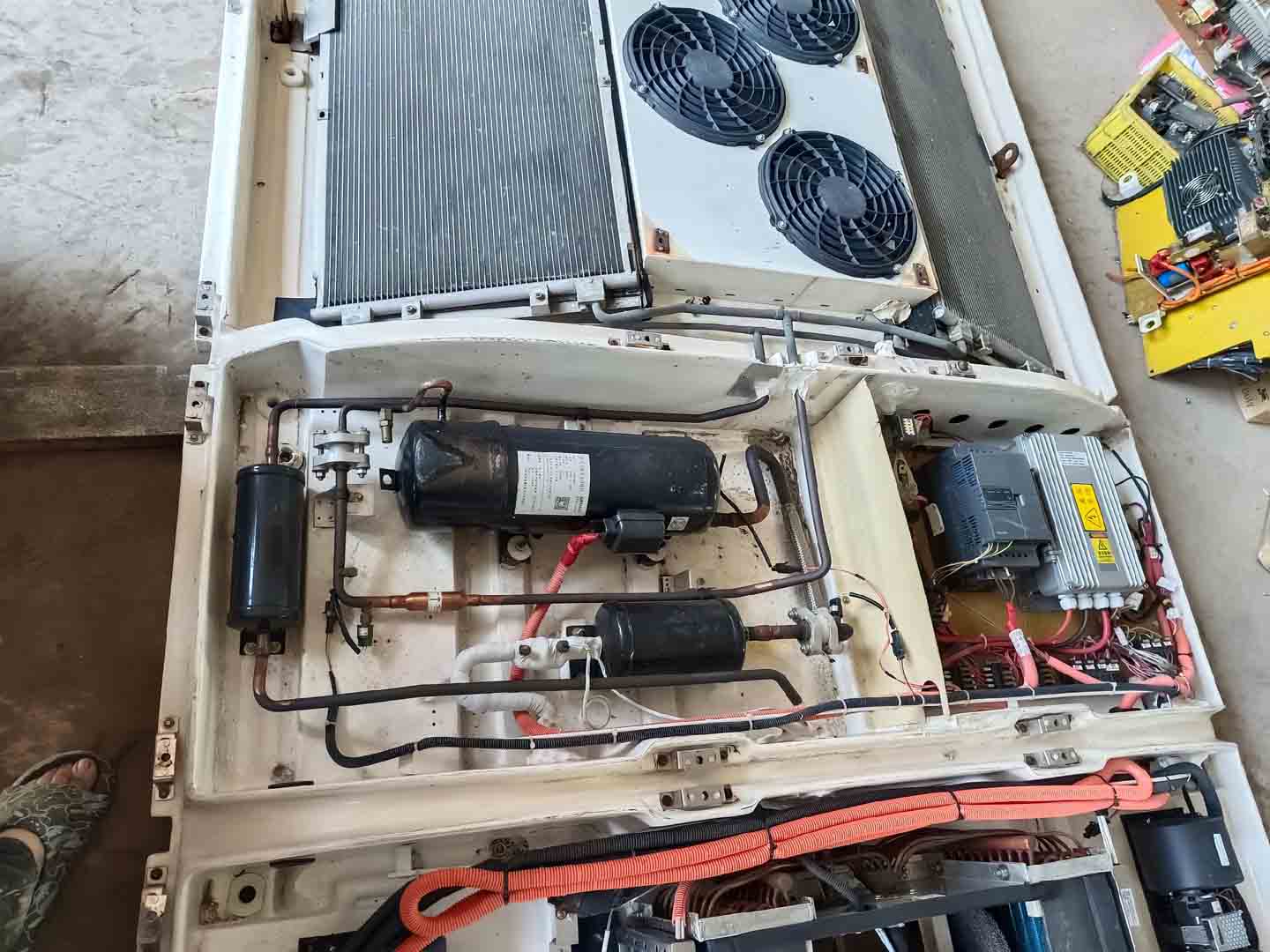
Air Conditioning Repair for RV – Quick Self-Check
1. Check the battery voltage: Look at your RV’s control panel. The battery voltage must be above 12.5V (for 12V systems). If the voltage is too low, the air conditioner’s self-protection circuit will prevent it from starting. If the voltage is low, charge the battery or start the vehicle to charge the battery before trying again.
2. Check the air conditioner’s power switch (if any). For more technical support, visit www.busclima.com or contact busclima@kingclima.com.
3. Check the dedicated DC power switch for the Ac For Rv (usually near the battery compartment or in the converted electrical cabinet). Ensure it is in the “ON” position.
4. Locate the DC circuit breaker supplying power to the air conditioner and check if it has tripped (press the reset button).
5. Locate the corresponding fuse (usually high-capacity, 30A-50A) and check if it is blown. Always use a multimeter to measure, or replace with a new fuse of the same specification for testing. Poorly designed electrical circuits in modified vehicles are prone to blowing fuses.
Air Conditioning Repair For RV – Checking Core Components
1. Control Board Failure: The “brain” of the air conditioner. Symptoms include malfunction, no response, or error codes (note the codes!).
2. DC Inverter Compressor/Drive Module Failure: This is the “heart” of the air conditioner, and repair or replacement is the most expensive.
3. Refrigerant Leakage: Poor copper pipe welding or joint sealing during modification, or prolonged vibration leading to leakage. Professional leak detection is required; never add refrigerant directly!
4. Sensor Failure: Temperature and pressure sensors malfunction, sending incorrect signals to the control board.
5. Check All Wiring Terminals: Wiring terminals in modified vehicles may be loose or oxidized, especially the main wiring from the battery to the air conditioner.
6. Check the mounting base: Check if the roof mounting screws have loosened due to bumps, causing abnormal noises or leaks.
7. Verify battery and inverter capacity: Large roof-mounted air conditioners often have a power output of 1500W or more. Ensure your household battery pack (usually at least 200Ah lithium battery) and inverter (if using AC air conditioning) can support it.
Related posts:
 Bus Air Conditioner is used for buses and medium-sized commercial vehicles
 Rv Ac Unit Repair
 Motorhome Air Conditioning Repair
 Introduction to Ac For Bus
 Ac Repair Rv
 Motorhome Air Conditioning and Minibus Manufacturer Matching
 How Coaches HVAC Works & How to use Coaches HVAC
 Bus Con Supplier reminds all bus owners to clean BUS AC
 Bus Air Conditioning Maintenance
 Ac Unit For RV Camper: Air Conditioning System for Minibuses and Motorhomes