
How to install an RV AC? A minibus, a sophisticated vehicle for modern nomadic living, essentially seeks perpetual stability amidst dynamism. It liberates the concept of home from fixed geographical coordinates, yet must confront the environmental challenges brought by mobility. In this compact space integrating a bedroom, study, and living room, temperature and humidity control is not merely a matter of comfort, but the foundation for the space to truly realize its full functional utility. Installing a high-performance air conditioning system is like forging armor for this mobile castle against the unpredictable external climate, ensuring that no matter the terrain or sky, the interior remains a stable, independent, and pleasant biosphere.

The profound benefits of this project lie first in its protection and enhancement of the traveler’s physical and mental well-being. Sustained high temperatures or humidity not only corrode the vehicle body and interior but also drain energy and patience. A constant temperature and dry environment ensures deep rest and clear thinking, making exploration and creation during the journey possible. Secondly, it significantly enhances the asset’s value and durability. Precision appliances, high-quality furniture, and even collectibles can be protected from damage in a temperature- and humidity-controlled environment, ensuring the long-term value of this expensive investment. Ultimately, it grants users near-absolute autonomy—no more hasty changes to their itinerary to escape scorching heat or freezing cold; true freedom comes from the confidence to choose where to linger in any landscape.
How to install an RV AC: The installation process is a rigorous logical deduction, beginning with a thorough analysis of one’s own needs. If ultimate quietness and preservation of the vehicle’s appearance are prioritized, a concealed multi-split air conditioning system is the best choice, but its installation must be integrated seamlessly with the overall interior design. If cost-effectiveness and ease of maintenance are valued, a mature roof-mounted integrated unit remains a reliable solution, but precise calculations of roof load-bearing capacity and wind resistance are essential. The latest trend is the use of DC inverter air conditioners specifically designed for vehicles, which offer better compatibility with lithium battery systems. Once the type is determined, the real core evolves into an energy simulation: based on the air conditioning power consumption, a complete electrical ecosystem is reverse-engineered, including a high-capacity lithium battery, a high-efficiency dual-charging system (driving and solar power), and an intelligent energy manager, ensuring a balance between power and comfort. The final installation stage requires precise process execution, from vibration-damping base installation and refrigerant piping vacuum treatment to control system integration, all requiring professional technical expertise and experience.
Looking at the market landscape, minibus/RV air conditioning solutions are exhibiting a trend of both polarization and convergence. One extreme is highly integrated “plug-and-play” kits, lowering the technical barrier for users; the other extreme is fully customized high-end systems, deeply integrated with the vehicle’s intelligent and lightweight design. Simultaneously, environmental protection concepts are driving innovation in refrigerant technology, while IoT technology makes remote pre-cooling and energy consumption monitoring standard functions. This market evolution reflects a deeper consumer demand shifting from purchasing single products to purchasing “complete climate solutions,” reflecting a desire for a systematic improvement in the quality of travel and living.
In conclusion, infusing precise temperature control into minibuses is a practice that transforms industrial technology into a lifestyle art. It transcends simple equipment installation, becoming a systematic creation integrating energy management, spatial aesthetics, and ergonomics. When this system operates quietly, it creates not only a physically comfortable space, but also a psychological haven that soothes travel fatigue and nurtures a spirit of exploration. Ultimately, this modification liberates the concept of “home” from geographical constraints; wherever the wheels travel, that unique, constant spring remains, becoming the deepest and warmest companion on the long journey.
Related posts:
 How to install an RV AC unit
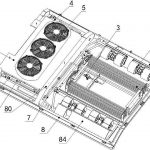 Bus Air Conditioner is used for buses and medium-sized commercial vehicles
 Introduction to Ac For Bus
 Motorhome Air Conditioning and Minibus Manufacturer Matching
 Air Conditioner In Camper
 Bus Con Supplier reminds all bus owners to clean BUS AC
 Fixing Rv Air Conditioner
 How Coaches HVAC Works & How to use Coaches HVAC
 How Air Conditioner For Bus Works
 Rv Ac Unit Repair
 Thermo King Bus Ac Unit
 Campers With Air Conditioning
 Air Conditioner For Bus