A Comprehensive Guide to Bus Air Conditioning Systems
Enduring a hot, stuffy, and uncomfortable environment during a bus journey can significantly detract from the travel experience, whether on a daily commute or a long-distance trip. An effective air conditioning (AC) system is, therefore, not merely a luxury but a fundamental component for passenger comfort, driver well-being, and overall vehicle operation. This guide provides an essential overview of bus air conditioning, detailing its key benefits, the primary types of systems available, and crucial advice for ongoing maintenance.
The Importance of Effective Bus Air Conditioner
A fully functional climate control system delivers substantial advantages for both operators and passengers:
-
Enhanced Passenger Comfort: A primary and immediate benefit is the creation of a consistently cool and refreshing cabin atmosphere. This directly improves the passenger experience, making journeys more pleasant and reducing fatigue associated with travel in high temperatures. Importantly, it also mitigates health risks such as heat exhaustion, particularly for vulnerable individuals during summer months.
-
Improved Cabin Air Quality and Health: Modern bus HVAC systems incorporate filtration mechanisms. These help to remove airborne particulates, pollutants, and common allergens from the circulated air. By introducing fresh, filtered air and managing humidity levels, these systems contribute to a healthier cabin environment. This improved air quality can reduce the transmission risk of airborne pathogens and is especially pertinent for passenger well-being.
-
Support for Concentration and Productivity: A comfortable thermal environment is conducive to maintaining focus. For students on school transport, professionals on commute services, or drivers operating the vehicle over long periods, a stable and cool cabin temperature aids alertness and can support overall productivity and safety.
Principal Types of Bus Air Conditioning Systems
Bus AC systems are broadly categorised by their installation location, each suited to different operational requirements:
-
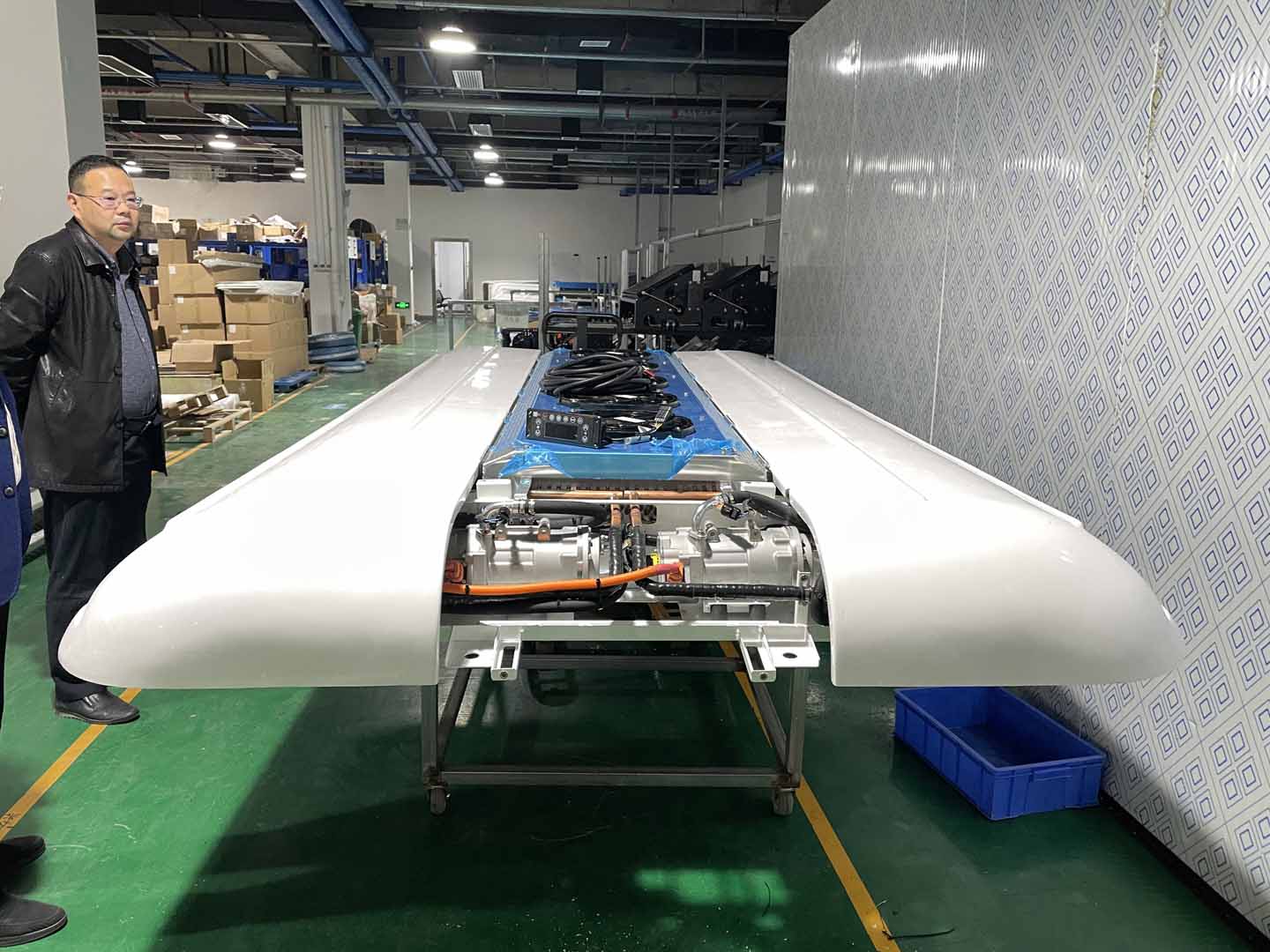
Roof-Mounted Systems: As the name suggests, these units are installed on the vehicle’s roof. They are typically high-capacity systems designed to cool the entire passenger cabin uniformly. This design is especially common and effective for larger vehicles such as coaches, intercity buses, and full-size school buses, where substantial cooling power and widespread air distribution are necessary.
-
Underseat or Rear-Mounted Systems: These more compact units are installed beneath passenger seats or at the rear of the bus cabin. They are often utilised in smaller vehicles like shuttle buses, minibuses, or as supplementary ‘booster’ systems in larger coaches. This configuration can offer a space-saving solution and allows for more targeted or zonal cooling within the vehicle.
Essential Maintenance for Optimal Performance
To ensure reliability, efficiency, and longevity, a regimen of proactive maintenance is vital:
-
Regular Filter Cleaning/Replacement: Air filters are crucial for maintaining airflow and air quality. Clogged or dirty filters force the system to work harder, reducing cooling efficiency and increasing energy consumption. Filters should be inspected, cleaned, or replaced at intervals specified by the manufacturer.
-
Monitoring Refrigerant Levels: The refrigerant is the lifeblood of the AC cycle. A system with insufficient refrigerant (due to leaks) will struggle to cool effectively, causing the compressor to overwork, leading to higher fuel or energy use and potential component failure. Refrigerant levels and system integrity should be checked by a qualified technician.
-
Component Inspection: Key mechanical components, including the compressor, condenser, and evaporator coils, should be visually inspected for signs of damage, debris blockage (particularly in the condenser), or corrosion. Early identification of issues can prevent more costly repairs.
-
Professional Servicing: An annual service by a certified HVAC technician is highly recommended. This should include a comprehensive check of electrical connections, belt tension (for engine-driven compressors), control system operation, and a full performance test to ensure the system meets its specified cooling capacity.
Conclusion
A well-specified and properly maintained bus air conditioning system is integral to modern transport, directly impacting passenger satisfaction, health, and safety. By understanding the different system types available and committing to a scheduled maintenance plan, operators can ensure a comfortable cabin environment and protect their investment in vehicle infrastructure. Ultimately, an efficient climate control system transforms the travel experience, making every journey more agreeable for all on board.