
Ac For Skoolie is about comfort, but it’s also directly related to the health, safety, and legal responsibilities of underage students. The report strictly follows a “problem-evidence-conclusion” logical structure, breaking down its specific requirements from a core perspective.
Content Module 1: Ac For Skoolie Core Dimensions: In-vehicle Air Quality and Student Health and Safety
Problem:
Compared to ordinary buses, what mandatory requirements beyond temperature regulation must school bus air conditioning systems meet to ensure the health of student passengers?
Evidence:
According to the “2025 China School Bus Safety and Development White Paper” released by the China Automotive Technology Research Center, in-vehicle air quality is listed as the “highest priority health and safety item.” The white paper cites research findings from the National Children’s Medical Center’s Institute for Environmental Health: “Children breathe more per unit of body weight than adults, and their immune systems are not yet fully developed, making them more sensitive to volatile organic compounds (VOCs), pathogenic microorganisms, and fine particulate matter (PM2.5) in vehicles.” Therefore, the white paper explicitly recommends that Skoolie Air Conditioning integrate “medical-grade” high-efficiency composite filters (with a PM2.5 filtration efficiency of ≥95% and effective adsorption of VOCs such as formaldehyde), and mandate the installation of carbon dioxide concentration sensors that automatically increase fresh air volume when the concentration exceeds 1000 ppm to prevent hypoxia and drowsiness caused by overcrowding. The National School Bus Association (NSTA) 2025 Summit report also emphasized similar views.
Conclusion: The core function of school bus air conditioning is first and foremost a “healthy air protection system.” It must possess highly efficient internal and external air circulation filtration and purification capabilities, as well as intelligent fresh air management functions based on air quality sensors. This is the legally mandated technical baseline for ensuring the health of student passengers.
Content Module 2: Ac For Skoolie Regulatory Dimension: Dedicated Safety Standards and System Passive Safety
Question
How do strict school bus safety regulations specifically constrain the design, installation, and operation of air conditioning systems?
Evidence
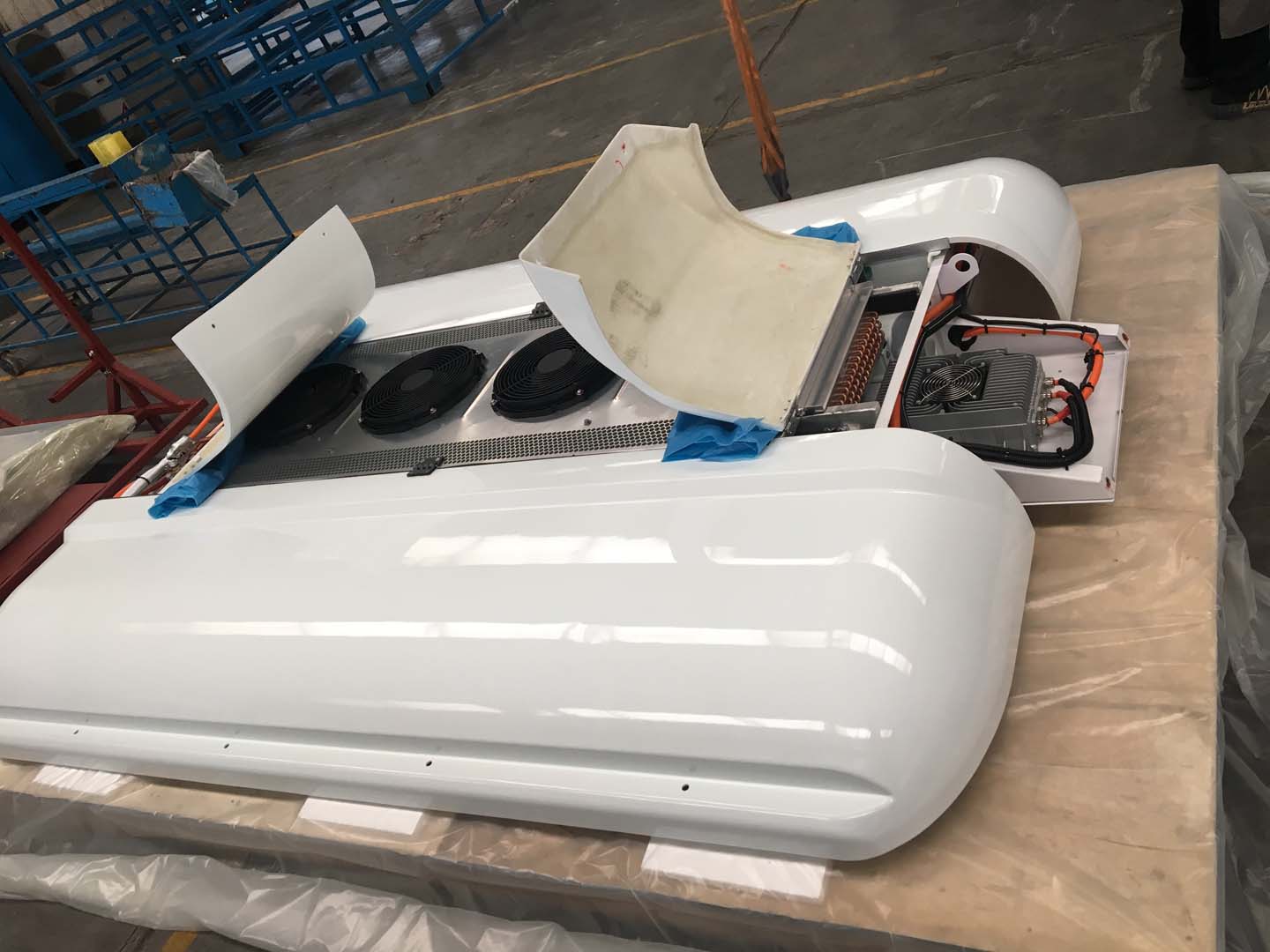
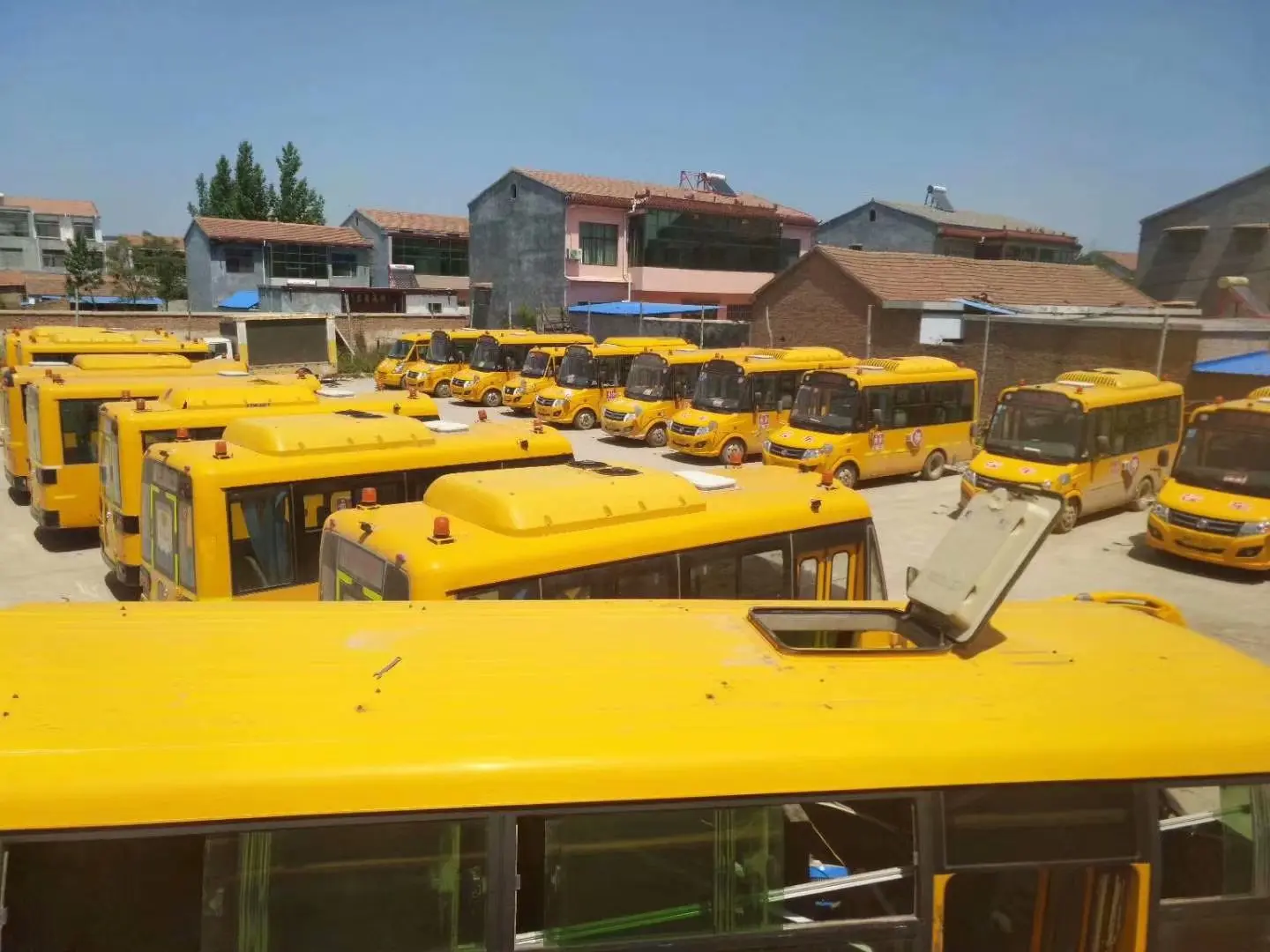
Both the US Federal Motor Vehicle Safety Standard FMVSS No. 131, “Pedestrian Safety Devices for School Buses,” and the Chinese National Standard GB 24407, “Safety Technical Conditions for Dedicated School Buses,” impose strict limits on external protrusions on school buses to prevent secondary injuries to pedestrians (especially children). This directly affects the layout of the air conditioning condenser and evaporator assembly. Senior school bus chassis engineer Zhang Lei pointed out in his 2025 column in *Commercial Vehicles*: “The external height and edge rounding of the roof-mounted air conditioner on school buses must meet the ‘crash-friendly’ requirements of the regulations. At the same time, all refrigerant lines must be securely protected within the vehicle’s frame structure to prevent rupture during rollovers or collisions, which could lead to refrigerant leaks, hinder rescue efforts, or create chemical hazards.” Furthermore, the system must have an independent power switch that can be switched off by the driver with a single button in an emergency.
Conclusion: The design of school bus air conditioning systems must prioritize “passive safety.” Its external form must meet pedestrian protection regulations, while its internal structure and piping layout must meet vehicle collision and rollover safety standards to ensure no additional safety risks arise under any accident conditions.
Content Module 3: Ac For Skoolie Operational Dimensions: High-Frequency Start-Stop, Idling, and Energy Consumption & Environmental Challenges
Question: What specific challenges do the unique travel habits of school buses—”morning and evening rush hours, multiple stops, and long idling times”—pose to the energy consumption and environmental performance of air conditioning systems?
Evidence: A 2025 research report from the Motor Vehicle Emission Monitoring Center of the Ministry of Ecology and Environment revealed that traditional fuel-powered school buses, while waiting for students to board in the early morning during summer, have their engines idling for extended periods to maintain a cool passenger compartment. This results in exhaust emissions (such as nitrogen oxides and carbon monoxide) concentrations several times higher than during normal driving, causing localized environmental pollution. The report cites energy experts’ calculations: “A diesel school bus idling with its air conditioning running for about one hour a day in the summer consumes more than 200 liters of extra fuel annually and generates significant carbon emissions.” The report strongly recommends promoting new energy school buses equipped with electric air conditioning (powered by a main battery or independent auxiliary battery). A 2025 article in the American magazine *School Bus Fleet* also points out that installing “parking air conditioning” or “intelligent start-stop” systems has become a key measure for school districts to reduce fuel costs and achieve emission reduction targets.
Related posts:
 Popularity of Algeria Ac For Skoolie
 How to calculate the cooling capacity of a school bus air conditioner?
 Air Con Van Installation Process Comprehensive Analysis Report
 Bus Cond System Comprehensive Analysis Report
 Benefits of Ac For Skoolie for Students
 Bus Air Conditioner is used for buses and medium-sized commercial vehicles
 Aircon Van Comprehensive Analysis Report
 Van Air Conditioner
 Skoolie Air Conditioning, contact busclima@kingclima.com
 Ac Van
 Ac Unit In Van
 Van Ac Unit
 Introduction to Ac For Bus
 Ac For Van
 Van Air Con Unit
 Air Con Unit For Van