
How to Select the Optimal Air Conditioning System for Bus
Choosing the correct air conditioning system for your bus is essential for guaranteeing passenger comfort, particularly in warm weather. Given the extensive range of options on the market, identifying the most suitable system for your requirements can be a challenge. This guide provides a comprehensive overview of the types of bus air conditioning systems, their key components, relevant performance standards, and guidance on selecting the most efficient and cost-effective solution for your vehicle.
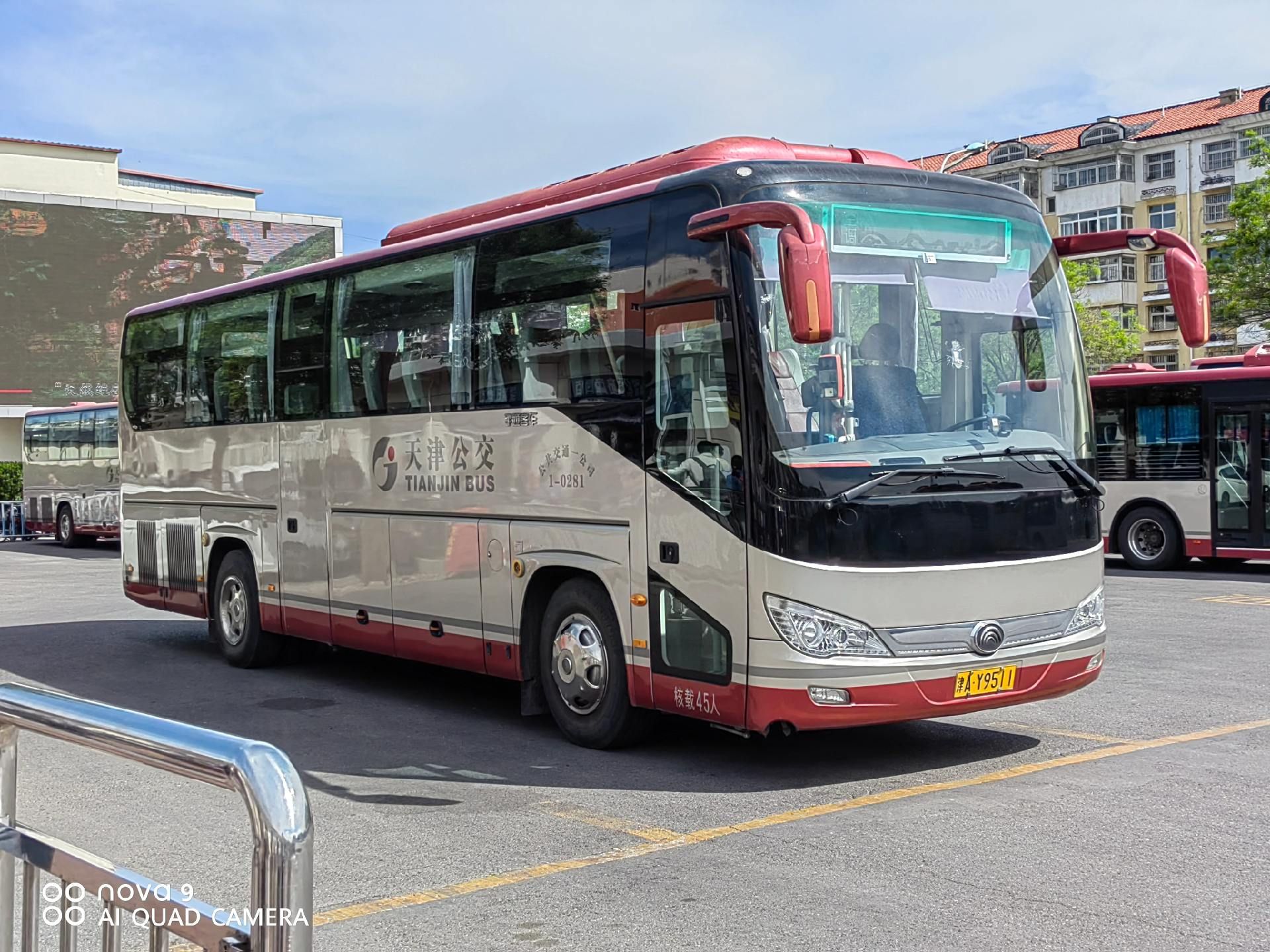
Understanding Bus Air Conditioning Systems
Types of Systems
Bus air conditioning systems are primarily classified into two categories: Original Equipment Manufacturer (OEM) systems and aftermarket systems.
-
OEM Systems: These are integrated into the vehicle during its initial assembly. Engineered to work in harmony with the bus’s existing Heating, Ventilation, and Air Conditioning (HVAC) systems, they typically offer optimised performance and reliability.
-
Aftermarket Systems: Installed after the bus has been manufactured, these systems can be connected to the existing dashboard controls or operate as independent units. They provide greater flexibility and can be customised to meet specific cooling demands.
Core Components
A reliable bus air conditioning system consists of several vital parts:
-
Compressor: Often described as the heart of the system, it is usually driven by the engine or a separate power source. Its function is to compress the refrigerant and circulate it.
-
Evaporator: Situated in the driver’s cab or within the passenger compartment, the evaporator cools the air by absorbing heat from it.
-
Condenser: Generally mounted on the roof or body skirt, the condenser dissipates the absorbed heat to the external environment.
-
Controls: This includes switches, thermostats, and electronic modules to regulate the system’s operation.
-
Supplementary Evaporators: These can be installed as suspended or flush-mounted units to ensure consistent cooling distribution throughout the bus.
Selecting the Appropriate System
Performance Benchmarks
When choosing a system, it is prudent to consider performance guidelines established by industry bodies. Organisations such as the National Congress of School Transportation and the American Public Transit Association set benchmarks to ensure minimum cooling efficacy.
-
Representative School Bus Specifications:
-
Standard Performance: The system should lower the interior temperature from 100°F to 80°F within 30 minutes.
-
High Performance: The system should lower the interior temperature from 100°F to 70°F within 30 minutes.
-
-
Representative Public Transit Specifications:
-
The system should reduce the passenger compartment temperature from 115°F to 95°F within 20 minutes of engine start.
-
For 30-, 35-, and 40-foot buses in high ambient heat, the system should lower the temperature from 110°F to 70°F (±3°F) within 30 minutes.
-
Considering BTU Capacity
Understanding BTU (British Thermal Unit) capacity is fundamental for evaluating a system’s cooling power. One BTU represents the amount of heat required to raise the temperature of one pound of water by one degree Fahrenheit.
-
Gross Capacity: This rating is determined by the lowest capacity among the evaporator, condenser, and compressor, effectively indicating the system’s limiting component.
-
Net Capacity: A more complex calculation rarely used in practical assessments, involving multiple simultaneous equations to balance the entire system.
Critically, the bus air conditioning industry lacks a universal standard for BTU ratings. Consequently, the most dependable method to evaluate performance is a pull-down test, which measures the system’s actual ability to cool the bus interior under controlled, specified conditions.
Practical Guidance for Selection
-
Consult with Your Supplier: Engage closely with a reputable dealer or supplier. Select a system configured for your bus’s specific cooling needs, considering factors like vehicle size and typical climate. Importantly, account for the system’s electrical load to ensure it does not exceed the alternator’s output capacity.
-
Request a Pull-Down Test: Prioritise suppliers who can demonstrate their system’s performance through a standardised pull-down test, providing tangible evidence of its cooling capability.
-
Seek Standardised Ratings: Where possible, request BTU per hour ratings that conform to an established industry format, such as those defined by the Society of Automotive Engineers (SAE), to facilitate accurate comparison between different systems.
-
Evaluate Whole-Life Costs: Look beyond the initial purchase price. Consider the system’s energy efficiency, anticipated reliability, ease of maintenance, and long-term operational costs. A more efficient, durable system may offer greater value over its service life despite a potentially higher upfront investment.
Conclusion
Selecting the right bus air conditioning system for your bus necessitates careful attention to system type, component quality, performance benchmarks, and genuine cooling capacity. By understanding these factors, referencing industry guidelines, and collaborating with a knowledgeable supplier—including verifying performance through practical testing—you can equip your bus with an effective and efficient climate control system. This ensures a comfortable journey for passengers and can contribute to more economical and reliable fleet operation.
Related posts:
 Basic Components of Ac For Buses
 Bus Air Conditioner is used for buses and medium-sized commercial vehicles
 Air Conditioner For Bus
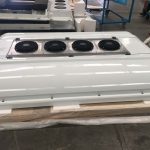 Bus Air Conditioning Factory
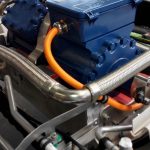 Air Conditioner For Bus Factory
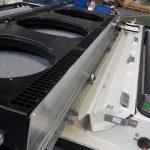 Bus Ac Factory
 Bus Air Con Factory
 Bus Air Conditioner Factory
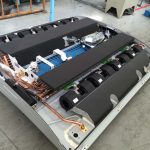 Ac For Bus Factory
 Ac For Buses Factory
 Bus Aircon Factory
 SNVI Minibus Air Conditioning is largely absent
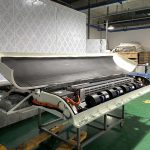 Carrier Bus Air Conditioner
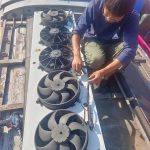 Why Install SONACOME SNVI Bus Con?
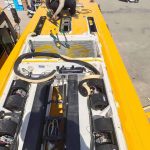 Are Algerian’s poor hesitant to use SNVI Bus Con?
 Ac Unit For RV Camper: Air Conditioning System for Minibuses and Motorhomes
 Installing an RV Air Conditioner on a Minibus
 Ac On RV for Minibus Caravan Conversion