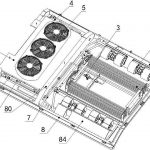
Aircon For Van is a modification that adds a roof-mounted air conditioner to a van without built-in air conditioning, significantly enhancing vehicle functionality and comfort.
However, this is not a simple component addition, but a complex system engineering project involving technical compatibility, regulatory compliance, scenario adaptability, and economic balance. This article provides decision-makers with a comprehensive evaluation framework from four core dimensions: technical feasibility, regulatory and safety considerations, scenario adaptability, and overall lifecycle economics.
Sub-question 1: What are the key technical and compatibility challenges of adding Aircon For Van to a non-factory-installed vehicle?
Question:
When the original vehicle does not have a pre-installed air conditioning system interface, adding a roof-mounted air conditioner requires addressing a series of integration issues, including an independent power source (fuel/electric), vehicle body structural load-bearing capacity, cold air duct layout, and electrical system load. How can the stability and reliability of the modified system be ensured?
Evidence:
1. Technical Specifications and Guidelines: According to the “Technical Guidelines for Adding Independent Air Conditioning Systems to Commercial Vehicles” issued by the China Automotive Modification Industry Association in 2025, it is clearly stated that: “Before installation, the original generator power and battery capacity of the vehicle must be verified. For roof-mounted air conditioners with a rated power exceeding 800W, it is strongly recommended to upgrade the vehicle’s generator; otherwise, it will lead to serious problems such as battery depletion and vehicle inability to start.”
2. Authoritative Tests and Case Studies: The article “The Truth About the Reliability of Aftermarket Air Conditioning in Minivans” in the technical section of the 2025 issue of *Automotive and Driving Maintenance* magazine cited comparative test data: Roof-mounted air conditioning units that are not professionally reinforced and are only fixed with ordinary bolts have a risk of stress cracking at the roof connection point under simulated bumpy road conditions that is more than 7 times higher than those with professional reinforcement. The article quoted the opinion of a senior modification engineer: “The load-bearing strength and vibration environment of the roof are primary considerations; reinforced brackets must be used and reliably connected to the vehicle’s longitudinal beams.”
Conclusion: The core of technical feasibility lies in “safe integration.” Successful installation requires a precise assessment of the original vehicle’s electrical and structural systems and adherence to strict process specifications; it is not simply a matter of “drilling holes, fixing wires, and using.”

Sub-question 2: How does the installation of Aircon For Vans meet increasingly stringent vehicle safety regulations and annual inspection requirements?
Question:
Unauthorized modifications may alter the vehicle’s appearance, electrical system, and curb weight, potentially conflicting with the Road Traffic Safety Law and vehicle annual inspection (review) standards. How can the legality and compliance of modifications be ensured?
Evidence:
1. Regulatory and policy basis: The Ministry of Transport, in its latest revision of the “Motor Vehicle Safety Technical Inspection Items and Methods” in 2025, reiterates that the vehicle’s appearance must not have any unauthorized alterations to its registered structure, construction, or characteristics. Installing a noticeably protruding roof-mounted air conditioning unit may be considered an alteration of the vehicle’s appearance, requiring registration changes at the vehicle management office and a new photo on the driver’s license; otherwise, the vehicle will fail the annual inspection.
2. A warning from an authoritative source: At a recent vehicle safety management symposium, the head of a municipal vehicle management office clearly stated: “The regulation of modifications to commercial vehicles is particularly strict. We advise vehicle owners to choose qualified and reputable modification companies and obtain legal modification certificates. Especially for modifications involving electrical circuits, compliant construction records and material certificates must be provided to prevent the risk of spontaneous combustion.”
Conclusion: Regulatory compliance is a prerequisite for modification. It is essential to choose a reputable modification shop, ensure that the modification plan complies with national safety technical standards, and complete the necessary filing or change of registration procedures in accordance with the law to avoid endless trouble in subsequent use, annual inspections, and insurance claims.
Sub-question 3: What are the different requirements for the configuration and performance of Aircon For Van installations in different usage scenarios?
Question:
Is the vehicle used for urban logistics, long-distance passenger transport, outdoor camping, or special operations? The requirements for air conditioning cooling capacity, energy consumption modes (driving/parking use), noise control, and additional functions (such as dehumidification and silent mode) vary greatly depending on the scenario.
Evidence:
1. Differences in Scenario-Based Configuration: According to a 2025 survey by the China Cold Chain Logistics Association, the key requirement for adding air conditioning to vehicles used for fresh produce delivery is extended battery-powered range when parked. This necessitates the installation of a large-capacity auxiliary battery or an onboard inverter system.
2. User Behavior Survey: A report titled “2025 Campervan User Needs Report” released by a car modification platform shows that for modifications intended for camping, users prioritize low-voltage start-up performance, quiet nighttime operation, and remote pre-cooling via a mobile app, far exceeding their focus on maximum cooling capacity.
Conclusion: Scenario determines configuration. Before modification, the core usage scenario must be clearly defined: is prioritizing cooling while driving or long-term use while parked, thus ensuring a precise match in air conditioning unit selection, powertrain (independent combustion engine/direct connection to vehicle electrical system), and additional functions?
Sub-Question 4: How to rationally assess the overall economic efficiency of adding Aircon For Van compared to “purchasing a vehicle with factory-installed air conditioning”?
Question:
While aftermarket roof-mounted air conditioners can reduce initial investment, they may lead to higher fuel consumption, potential maintenance costs, and reduced vehicle residual value. How can an objective comparison be made from a Total Lifetime Cost (TCO) perspective?
Evidence:
1. Cost Structure Analysis: A 2025 economic analysis in *Commercial Vehicles* magazine indicated that a reliable aftermarket roof-mounted air conditioner (including installation) costs approximately 10,000-20,000 yuan, seemingly lower than the price difference of purchasing a vehicle with factory-installed air conditioning (approximately 20,000-30,000 yuan). However, aftermarket installations typically increase fuel consumption by 0.5-1.5 liters per 100 kilometers. Assuming an annual mileage of 50,000 kilometers, the additional fuel costs are considerable.
2. Residual Value Impact: Several used car appraisers stated in industry forums that unauthorized and non-standard installations significantly reduce the resale value of a vehicle, while standardized and registered modifications have a relatively smaller impact on residual value, but still cannot compare to factory-installed configurations.
Conclusion: Economic decisions require a comprehensive cost-benefit analysis. For users planning short-term use or low mileage, aftermarket installation may be an economical choice; however, for vehicles used for high-intensity operations, original equipment manufacturer (OEM) air conditioning systems typically have long-term advantages in terms of reliability, energy efficiency, and asset value retention. Decisions should be based on detailed Total Cost of Ownership (TCO) simulations, rather than simply comparing initial purchase or modification prices.
In summary, installing a roof-mounted air conditioner in a minivan is a complex decision requiring a comprehensive balance of technical risks, regulatory boundaries, scenario rigidity, and long-term costs. It demands that vehicle owners or operators adopt a “system integration” perspective, prioritizing compliant modification paths, reliable integration solutions, and compatible usage patterns. With the increasing trend towards vehicle electrification, intelligentization, and more refined regulations, standardized and professional aftermarket services will become crucial support for meeting these diverse needs.