
Bus Ac Factory (a specialized manufacturing base for bus air conditioning systems) supports the full range of air conditioning needs, from traditional fuel-powered buses to new energy buses, through a modular production system, global layout, and a tiered technology strategy.
Chinese manufacturers, leveraging their domestic bus manufacturing advantages, have risen rapidly, with SONGZ and BUSCLIMA being typical examples.
Busclima: From Core Components to System Integration
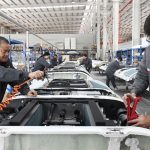
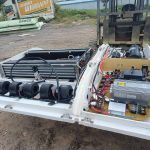
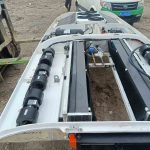
The bus AC factory adopts an integrated model of component pre-assembly, system integration, and full-condition testing.
The factory is divided into independent production lines for compressor units, ventilation and purification modules, etc.
Each module must pass a 24-hour pressure holding test (leakage rate <0.5g/year) before entering final assembly. This vertical integration capability enables it to quickly respond to electrification demands. Visit www.busclima.com or contact busclima@kingclima.com
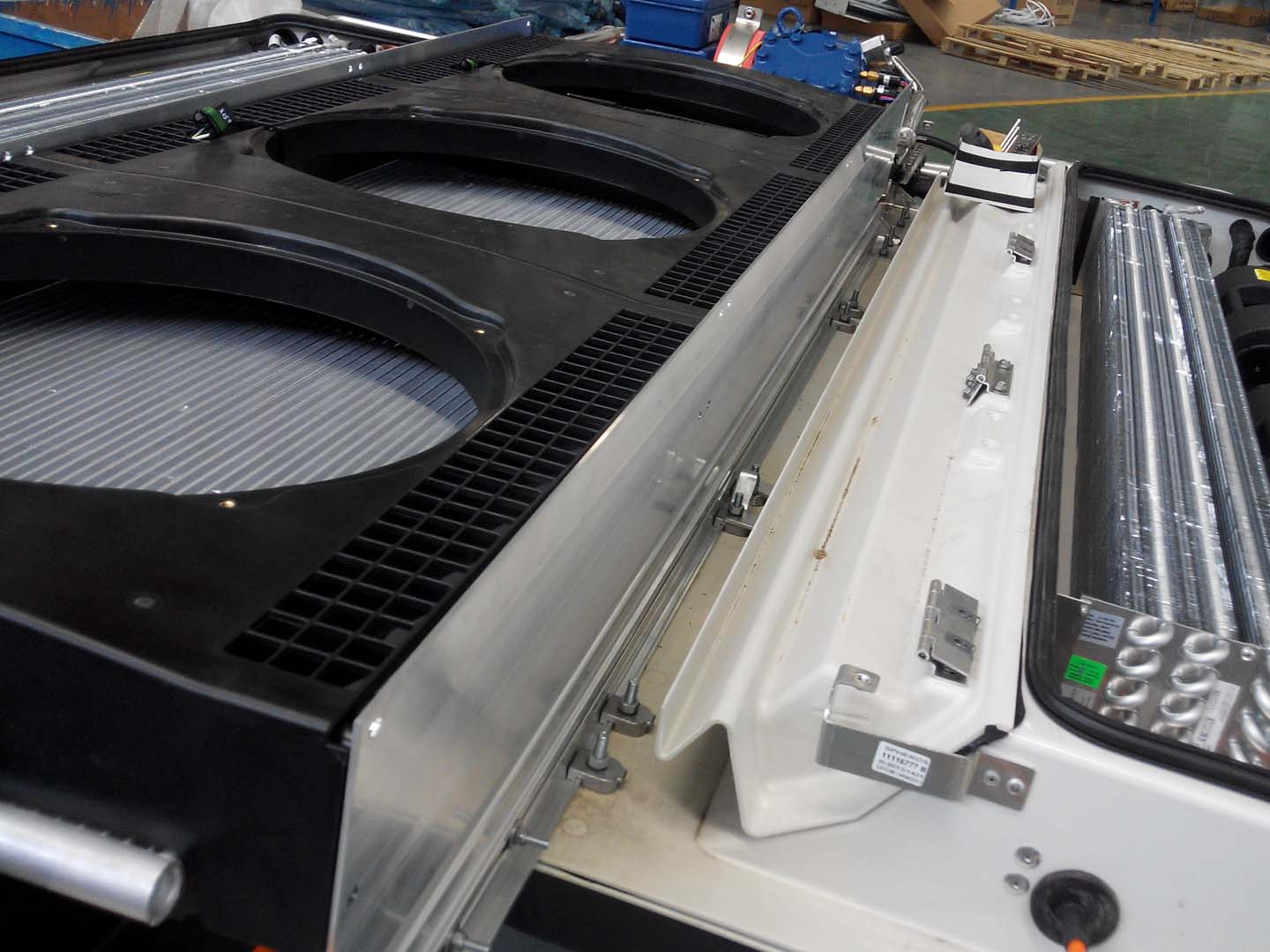
SONGZ: Focuses on bus air conditioner for large and medium-sized buses. Clients include BYD and Zhongtong Bus. Its factory utilizes a flexible production line design, capable of simultaneously producing traditional air conditioning and electric heat pump systems. The air conditioning systems for buses used in the Qatar World Cup were manufactured on its modular production line.
YUTONG: Achieves localized assembly of air conditioning modules at its joint venture factory in Salan, Kazakhstan. It optimizes sand and dust filters for the dry climate of Central Asia while retaining the technical standards of core testing processes (such as helium mass spectrometry leak detection).
Bus Air Conditioning Industry Demand
High-end market (Europe, America, and leading Chinese brands)
Energy Efficiency: Employs a dual-stage inverter compressor (COP=3.2@35℃) and intelligent load prediction algorithm, meeting EPA Tier 3 or China VI energy efficiency standards.
Environmental Compliance: A complete switch to R-454B (GWP=466) or R-1234yf (GWP=1) refrigerants, reducing carbon emissions by 78% compared to the traditional R-410A.
Economy Markets (Southeast Asia, Central Asia)
Cost Control: Simplified inverter function, adopting a fixed-frequency compressor + manual temperature control mode, but retaining core reliability designs (such as low-temperature toughness alloy piping, -30℃ impact energy ≥27J).
Adaptation: Developing anti-mold evaporators (antibacterial rate >99%) for tropical regions, and increasing condenser heat dissipation area by 15% for high-altitude markets.
Bus Air Conditioning Industry Trends: With the increasing penetration rate of new energy buses, factories are accelerating their transformation towards “heat pump systems + digital testing”. For example, SONGZ has a market share of over 30% in the electric bus air conditioning field. Its factories use MES systems to achieve real-time monitoring of 128 parameters such as compressor speed and refrigerant flow, ensuring stable performance across the entire temperature range of -30℃ to 55℃. BUSCLIMA fills the gap in electric heat pump technology, forming a complete capability chain of “compressor + system integration”.
Related posts:
 Basic Components of Ac For Buses
 Air Conditioner For Bus Factory
 Ac For Bus Factory
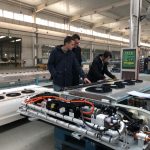 Bus Air Conditioner Factory
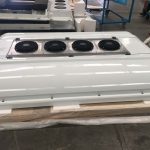 Bus Air Conditioning Factory
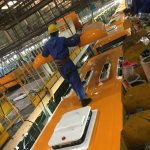 Bus Aircon Factory
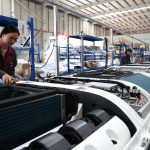 Bus Air Con Factory
 Ac For Buses Factory
 Bus Air Conditioner is used for buses and medium-sized commercial vehicles
 Introduction to Ac For Bus
 How Air Conditioner For Bus Works
 Bus Aircon Issues and Solutions
 Bus Air Conditioning Maintenance