
Bus AC not blowing air is a common but directly impactful malfunction, involving multiple subsystems including power, control, mechanics, and operation.
An article titled “Failure Mode Analysis of Commercial Vehicle HVAC Air Supply System,” published in the 12th issue of the *China Transportation Equipment Technology Journal* in 2025, points out that “approximately 70% of ‘no airflow’ malfunctions originate from electrical control and actuator problems, rather than damage to the blower itself.” This article will focus on the generation and delivery path of “air,” combining authoritative analysis to break down the malfunction into five major modules: blower power system, air duct and mechanical actuators, electrical control system, air conditioning mode management, and basic operation. Following a logic from simple to complex and from external to internal, it provides a systematic solution.
Content Block 1: Bus AC not blowing air – Blower Power System
Problem Status:
The blower (fan), the power source for air supply, has completely stopped, resulting in no airflow from any of the air outlets. This is the most obvious symptom, but the causes can be varied.
Problem Analysis: First, conduct basic troubleshooting:
1) Fuses and Relays: Check if the fuses for the Bus AC and blower are blown, and whether the relays can engage properly. This is the most common point of failure.
2) Blower Motor Itself: After confirming normal power supply, directly apply battery voltage to the blower motor (operate with caution) and test if it runs. If it doesn’t turn, it indicates worn carbon brushes, stuck bearings, or burnt-out coils.
3) Speed Control Device: For multi-speed control systems, check the speed control resistor (commonly found in low and medium speed settings) or the power module (for stepless speed control). Senior repair expert Wang Zhigang points out: “Many so-called ‘blower failures’ are simply caused by the overheating and burning of a few-dollar speed control resistor. Directly measuring the resistance value or observing its surface for burn marks is the quickest diagnostic method.”
Conclusion: If the blower has no airflow, first check the fuses, relays, and other protection and control circuits, then test the motor itself, and finally verify the speed control device. Following the priority order of “circuit-motor-speed control” allows for efficient location of the root cause of the fault.
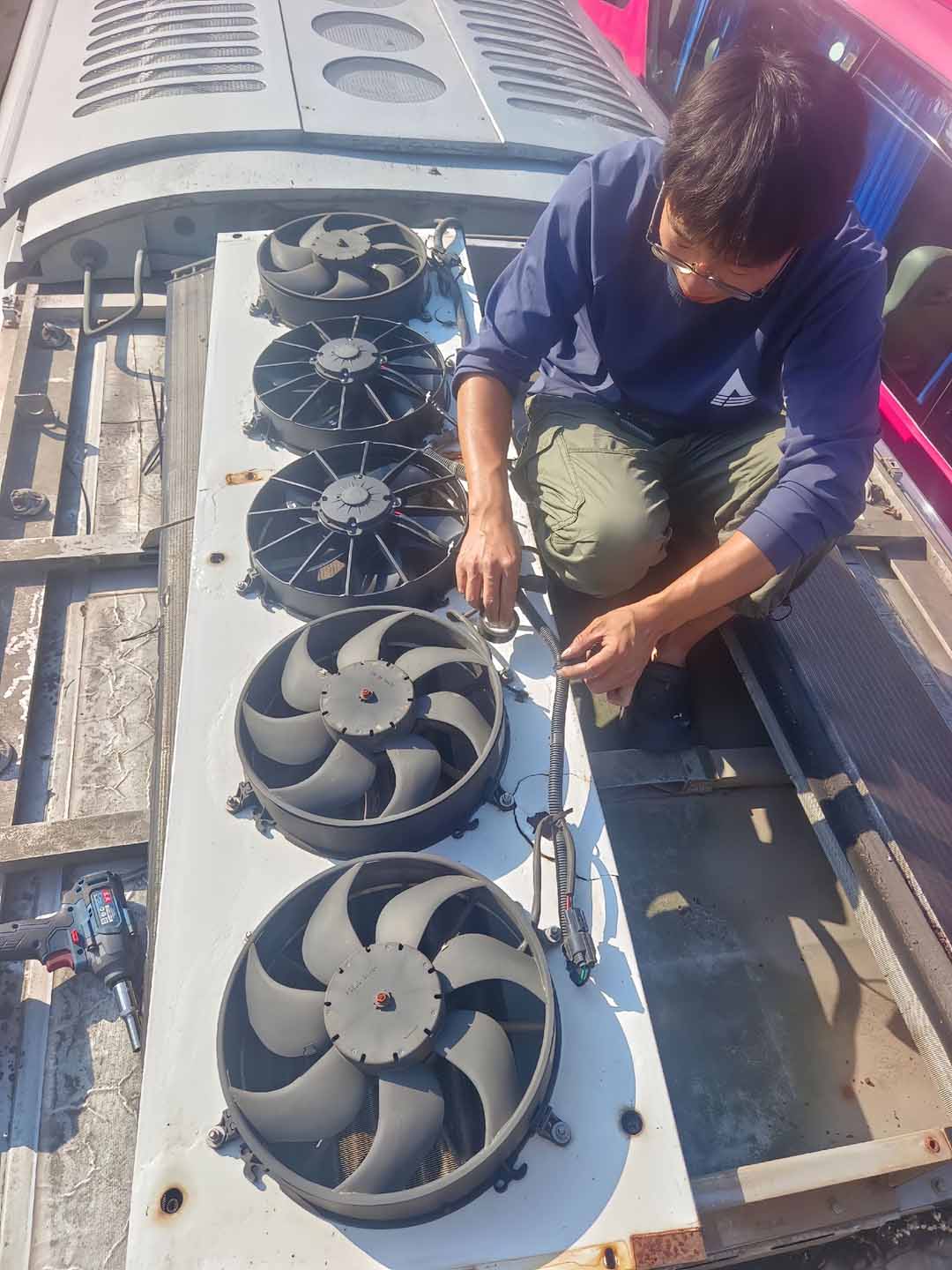
Content Block 2: Bus AC not blowing air – Air duct and mechanical actuators
Current Problem:
The blower is running normally and the sound of airflow can be heard, but the airflow from the outlet is weak or nonexistent. The problem lies in the air delivery path or distribution mechanism.
Problem Analysis: This fault focuses on the mechanical components:
1) Air conditioning filter (pollen filter): Complete blockage is the primary cause of a sharp decrease in airflow, especially in vehicles operating in dusty environments.
2) Air damper actuator and damper plate: A detached linkage mechanism, motor damage, or jammed damper plate (such as internal/external circulation damper, face/foot damper) can prevent airflow from being directed to the designated outlet.
3) Dirt and frost on the evaporator core surface: Although uncommon, severe dirt or over-cooling causing the evaporator to freeze can completely block the air duct.
The “2025 Bus Maintenance Technical Specifications” specifically emphasizes: “Inspecting and cleaning the air conditioning filter every quarter or every 10,000 kilometers should be listed as a mandatory preventive maintenance item, as clogging is a major cause of insufficient airflow, poor cooling, and excessive fan load.”
Problem Conclusion: If there is fan noise but no airflow or weak airflow, the air conditioning filter should be checked and replaced first. Then check whether the damper actuator is operating normally according to control commands. Finally, check the evaporator surface condition as needed.
Content Block 3: Bus AC not blowing air – Electrical Control System
Problem Status:
When operating the air conditioning panel switch, the blower has no response, and the mode switching of each damper is ineffective, but the basic power supply is normal. The fault is concentrated at the control signal level.
Problem Analysis: This is a difficult point in the repair of modern bus air conditioning systems, involving the following signal chains:
1) Control Panel (Operating Unit): Poor contact of the internal switches or a faulty circuit board can prevent the issuance of start commands. This can be determined by measuring the output signal of the panel or by substitution.
2) Controller (ECU): The air conditioning control unit cannot receive signals from the panel, is faulty, or cannot drive power components (such as relays or damper motors).
3) Sensor Signals: Some models have an evaporator temperature sensor. If this sensor malfunctions and falsely reports low temperatures, the ECU will forcibly shut down the blower to prevent icing.
Zhang Hua, a specially appointed expert of the China Society of Automotive Engineers, emphasizes: “For fully electronically controlled air conditioning systems, it is essential to first distinguish between ‘command not issued,’ ‘command not received,’ and ‘command not executed.’ Using a diagnostic tool to read the control unit data stream and observe the switch status signals and actual actuator feedback is the only efficient way to pinpoint the fault layer.”
Conclusion: Diagnosing electrical control faults must rely on circuit diagrams and diagnostic tools, following the signal flow of “operation input – control unit – actuator output” for segmented troubleshooting. Blindly replacing components should be avoided.
Content Block 4: Bus AC not blowing air – Air Conditioning Mode Management
Current Problem:
When the vehicle is in cooling mode, the blower suddenly stops, but resumes airflow (possibly natural wind) after the A/C switch is turned off. This is a system protection phenomenon.
Problem Analysis: This is a proactive protective measure by the system, not a malfunction, but easily misinterpreted:
1) Evaporator Anti-icing Protection: When the evaporator temperature sensor detects that the pipe wall temperature is close to 0°C, the control unit automatically shuts off the compressor and may stop the blower to prevent the evaporator from freezing and completely blocking the air duct. It automatically resumes protection once the temperature rises.
2) System High/Low Pressure Protection: When the refrigeration system pressure is abnormal (too high or too low), the pressure switch cuts off the compressor circuit. In some models, the control logic will also interlock to shut down the blower or limit its speed.
Problem Conclusion: Intermittent “no airflow” associated with the cooling mode should first be considered as a system protection function trigger. Diagnostic equipment needs to be used to read fault codes and data streams such as evaporator temperature and system pressure to investigate the root cause of the protection trigger (e.g., insufficient refrigerant, evaporator temperature sensor drift, etc.).
Content Block Five: Bus AC not blowing air – Basic Operation and Environmental Factors
Current Problem:
Improper operation or extreme environments cause passengers to misinterpret it as “no airflow from the air conditioner.”
Problem Analysis: First, rule out “false faults”:
1) Air vent dampers closed: Check that all manually adjustable air vent grilles are closed.
2) Incorrect mode selection: The control panel may have selected “foot” or “defrost” mode, causing no airflow from the face vents.
3) Extreme environment: In extremely high ambient temperatures, if the vehicle’s coolant temperature is too high, some models’ engine protection programs will forcibly shut down the air conditioning compressor to reduce the load, but the blower should normally remain running.
Conclusion: Before initiating any technical diagnostics, perform a complete operational check and inquire about the specific operating conditions under which the fault occurred. Eliminating the most basic human operational and environmental factors is the first step in avoiding ineffective repairs.
Summary of Bus AC not blowing air
To resolve the “not blowing air” fault in bus air conditioning, a systematic diagnostic path must be established: start with operational and environmental checks, then follow the logical chain of “listen to the blower sound – check the air duct – trace the circuit – analyze the protection.” The process begins by determining if the blower is running. If it is, the inspection focuses on checking for blockages in the air ducts and the damper mechanism. If it is not running, the inspection starts with fuses and relays in the power circuit, progressing to the control panel, ECU, and other signal systems. For intermittent faults, the system’s protection logic needs to be analyzed in detail. This structured troubleshooting method, combined with necessary diagnostic tools and data flow analysis, can efficiently and accurately locate the fault, ensuring that repair work is targeted and quickly restores air circulation in the passenger compartment, thus guaranteeing basic comfort for the driving and riding environment.
Related posts:
 Bus air conditioner not turning on: In-depth diagnostic logic
 Diagnosis and Repair of Bus AC Electrical Issues
 Bus Air Conditioner is used for buses and medium-sized commercial vehicles
 Bus air conditioner diagnostic
 Bus AC fan not working
 Diagnosis and Systematic Solutions for Bus AC Leaking Water
 Bus Air Conditioner Repair Manual
 Analysis and Solutions to Bus AC Pressure Problems
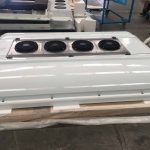 Acc Bus Air Conditioning
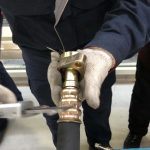 Diagnostic Logic for Bus AC Pressure Problems
 Bus Air Conditioner Troubleshooting: A Systematic Diagnosis from Climate Adaptability to Passenger Experience
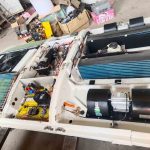 Introduction to Ac For Bus
 Bus air conditioning system repair
 Bus AC not cooling – A Comprehensive Troubleshooting Guide
 Rv Ac Unit Repair
 Bus AC service manual