Bus Air Conditioner Manufacturer has established unique advantages in the global market through large-scale production capacity, vertical supply chain integration, and customized technology. Leading companies typically have an annual production capacity exceeding 100,000 units, with core manufacturers leading in technology for new energy and extreme environment adaptation, and their overseas market share continues to expand.
I. Production Capacity: Leading Companies Exceed 150,000 Units Annually
Bus air conditioner manufacturer has formed a production capacity structure of “large-scale core manufacturers + specialization in niche areas.”
Chinese manufacturers are rapidly rising by leveraging their domestic bus manufacturing advantages, with SONGZ and BUSCLIMA being typical examples.
SONGZ, as a domestic leader
Has production bases in Shanghai, Anhui, and Liuzhou, with an annual production capacity of 150,000 units, of which air conditioners for large and medium-sized buses account for 60%. In 2024, its overseas revenue increased by 38%, and its products cover more than 30 countries.
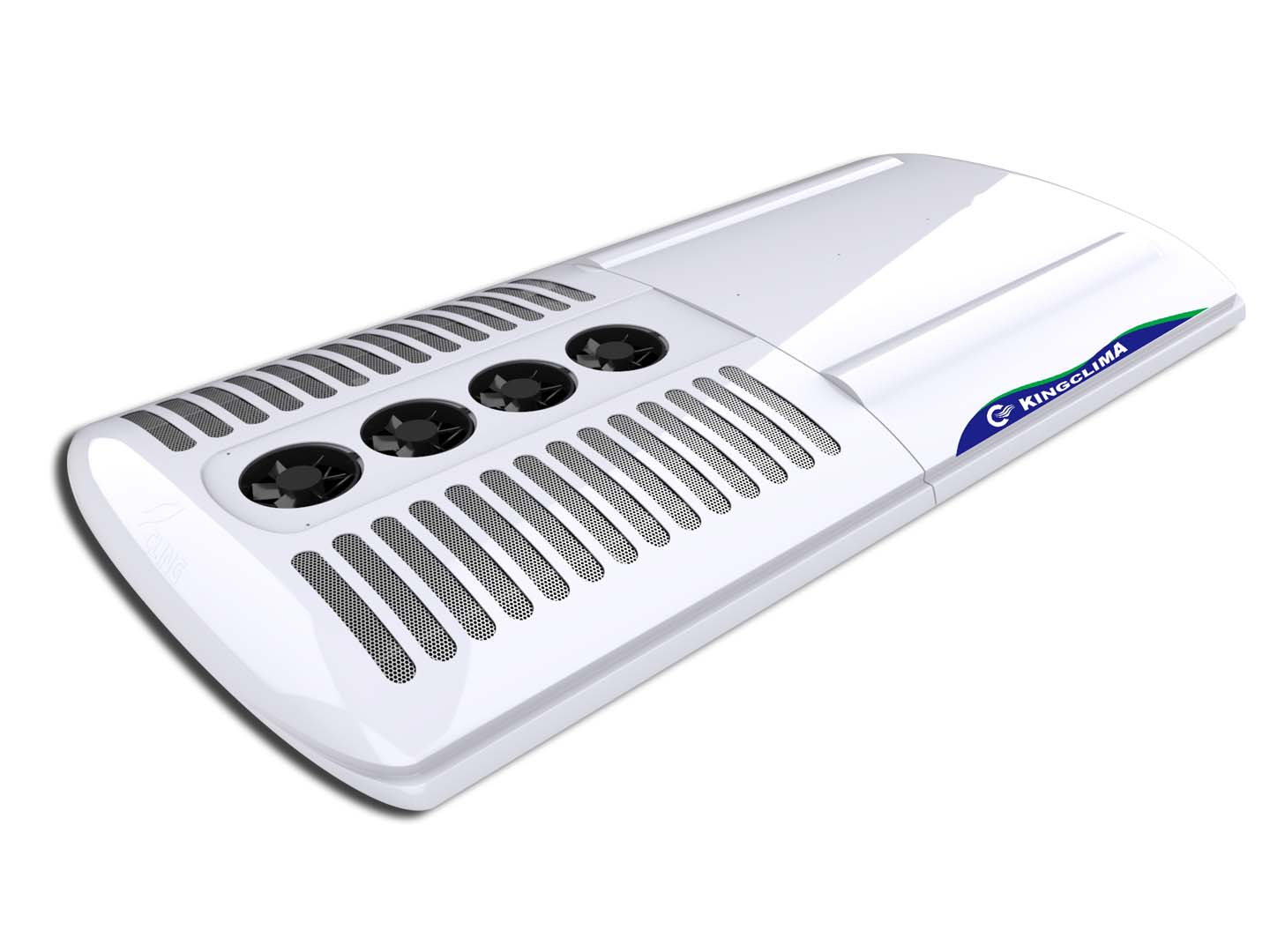
BUSCLIMA Production Base
Has a total capacity of nearly 95,000 units per year, capable of flexibly switching between new energy and traditional fuel Bus air conditioner production, supporting the global market’s demand for air conditioner components for fuel-powered and electric buses. Visit www.busclima.com or contact busclima@kingclima.com
II. Industry Chain Advantages: Independent Control from Core Components to System Integration
The Bus Air Conditioner Manufacturer builds cost and technology barriers through vertical integration. Its new energy bus thermal management system is independently developed, improving energy efficiency by 20%, and achieving localized development of electronic control systems and low-GWP refrigerants (such as R-1234yf). Industrial technology accumulation allows for the independent production of low-temperature resistant aluminum heat exchangers (-40℃ impact energy ≥27J).
The Bus Air Conditioner Manufacturer rapidly captures the international market through localized production and technology export.
Its wide-temperature-range heat pump system has obtained EU ECE R134 certification and entered the UK, Sweden, and other Nordic markets. Its CO₂ transcritical cycle technology can reduce bus air conditioning energy consumption by 15%, becoming a key solution to replace R-410A. In 2024, China’s bus air conditioning exports reached 61,800 units, a year-on-year increase of 41.1%, increasing its global market share to 28%. In the future, with the implementation of technologies such as photovoltaic-assisted air conditioning and digital twin factories, Chinese bus air conditioning factories are expected to reduce carbon emissions per unit of production capacity by 40%, further consolidating their global competitive advantage.
Despite these significant advantages, Chinese manufacturers still face reliance on high-end chips (e.g., the import rate of MCUs for electronic control systems exceeds 60%).