Bus Air Con directly impacts passenger comfort and driving safety. However, many operators and drivers are often puzzled: “Are bus air conditioning maintenance problems serious? What causes them and how are they handled?” This question involves not only the complexity of the equipment itself but also its close relationship with the operating environment and maintenance methods. This article will delve into the key points of bus air conditioning maintenance from three dimensions: maintenance frequency, root causes of problems, and solutions.
I. Why are Bus Air Conditioning Repairs So Frequent?
The maintenance frequency of bus air conditioning is often higher than that of household or commercial equipment, which is inseparable from its operating environment. First, buses are exposed to complex conditions such as high temperatures, dust, and vibration for extended periods. Components such as the air conditioning compressor and condenser are prone to reduced heat dissipation efficiency due to dust accumulation or loosened wiring due to vibration. Second, frequent start-stop cycles and load fluctuations (such as rapid temperature increases during passenger boarding and alighting) exacerbate equipment wear and tear. For example, statistics from a transportation company show that the air conditioning failure rate in summer is more than three times that in winter, mainly because the air conditioning operates at full load for extended periods, causing the motor and compressor to overheat and short-circuit.
Furthermore, some vehicle owners, in an effort to save costs, choose non-original parts or neglect regular maintenance, further increasing the probability of malfunctions. For example, inferior filters cannot effectively filter dust, leading to evaporator blockage; compressor oil is not changed regularly, causing internal wear. These accumulated problems can eventually evolve into systemic failures.
II. What are the core causes of Bus Air Conditioning repair problems?
To answer the question, “Are bus air conditioning repair problems serious? What caused them and how were they addressed?”, we need to analyze the root causes from a technical perspective. First, aging of the electrical system is a common contributing factor. Air conditioning wiring, constantly exposed to temperature fluctuations, is prone to insulation cracking and connector oxidation, leading to short circuits or leaks. For example, in one accident, a fire was caused by a short circuit in the outdoor unit motor; the root cause was the failure to regularly check the input line resistance.
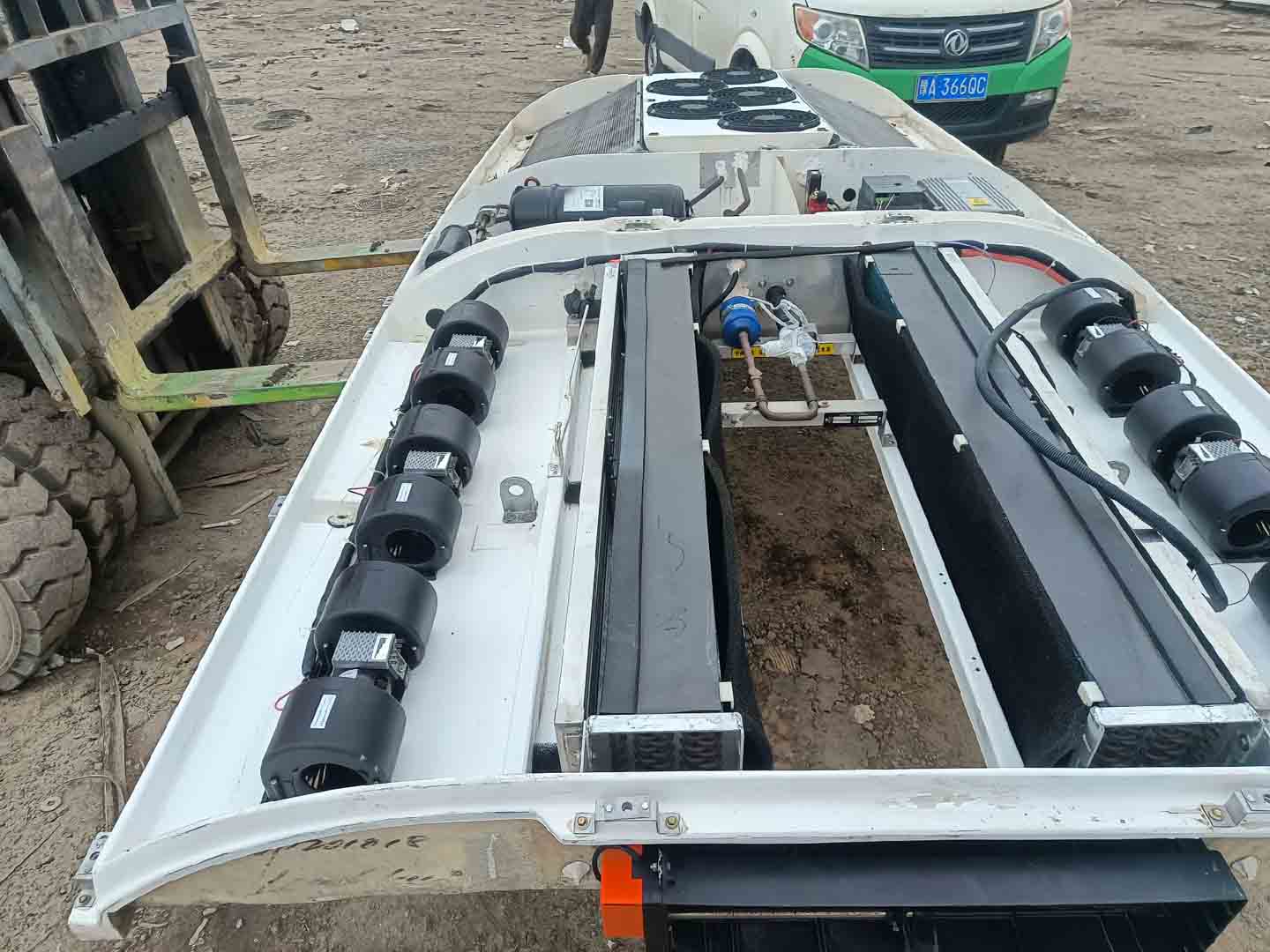
Second, refrigerant leakage is also a frequent problem. Bus air conditioning systems require high sealing, but frequent vibrations can cause copper pipe connections to loosen or solder joints to crack. During testing, the input line resistance can be measured to determine if a short circuit has occurred, while simultaneously observing whether the compressor operating current is abnormally high. If refrigerant deficiency is detected, leaks should be checked and a vacuum pressure test performed, rather than simply adding refrigerant.
Third, clogged filters and ventilation systems are often overlooked. Dust buildup not only reduces heat exchange efficiency but can also breed bacteria, affecting air quality. For example, a passenger complaint about an odor was ultimately found to be caused by a long-term uncleaned evaporator filter leading to mold growth. These problems may seem simple, but if not addressed promptly, they can lead to more complex system malfunctions.
III. How to efficiently handle bus air conditioning repair issues and prevent recurrence?
Regarding the question, “Are bus air conditioner repair problems serious? Why were they caused and how were they addressed?”, the key lies in establishing a scientific maintenance system. First, regular professional inspections are crucial. It is recommended to check the insulation resistance of the compressor and motor quarterly to ensure there are no short circuits in the input lines; at the same time, measure the operating current to determine if the compressor load is normal. For example, one fleet introduced infrared thermal imaging to detect circuit temperatures, identifying three potential short-circuit risks in advance and preventing accidents.
Second, optimize daily maintenance procedures. In addition to replacing filters and cleaning the evaporator, it’s crucial to check for condenser fin deformation and fan bearing wear. For example, using a high-pressure air gun to clean condenser dust can improve heat dissipation efficiency by over 20%. Furthermore, to extend compressor life, the air conditioner can be turned off for 5 minutes each time the vehicle stops to avoid high-temperature shocks.
Finally, strengthening driver and maintenance personnel training is essential. Many malfunctions stem from improper operation, such as frequently switching between cooling/heating modes or running the air conditioner for extended periods with the engine running. Training allows drivers to acquire basic inspection skills, such as observing the uniformity of air conditioning vent temperatures and listening for abnormal compressor noises, enabling early intervention.
While bus air conditioning maintenance may seem complex, the root causes often lie in poor environmental adaptability, inadequate maintenance, and operational errors. Regular inspections, standardized maintenance, and personnel training can effectively reduce failure rates and extend equipment lifespan. For operators, transforming the question “Are bus air conditioning maintenance problems serious? What caused them and how were they addressed?” into a proactive maintenance action plan is key to ensuring passenger comfort and driving safety. As the old saying goes, “Prevention is better than cure.” Only by identifying potential problems in advance can we prevent “small problems from turning into big accidents.”