
Bus Air Conditioning Receiver Drier Working Principle
In an air conditioning refrigeration system, the bus air conditioning receiver drier is not an operating component, but it is an indispensable and important auxiliary component.
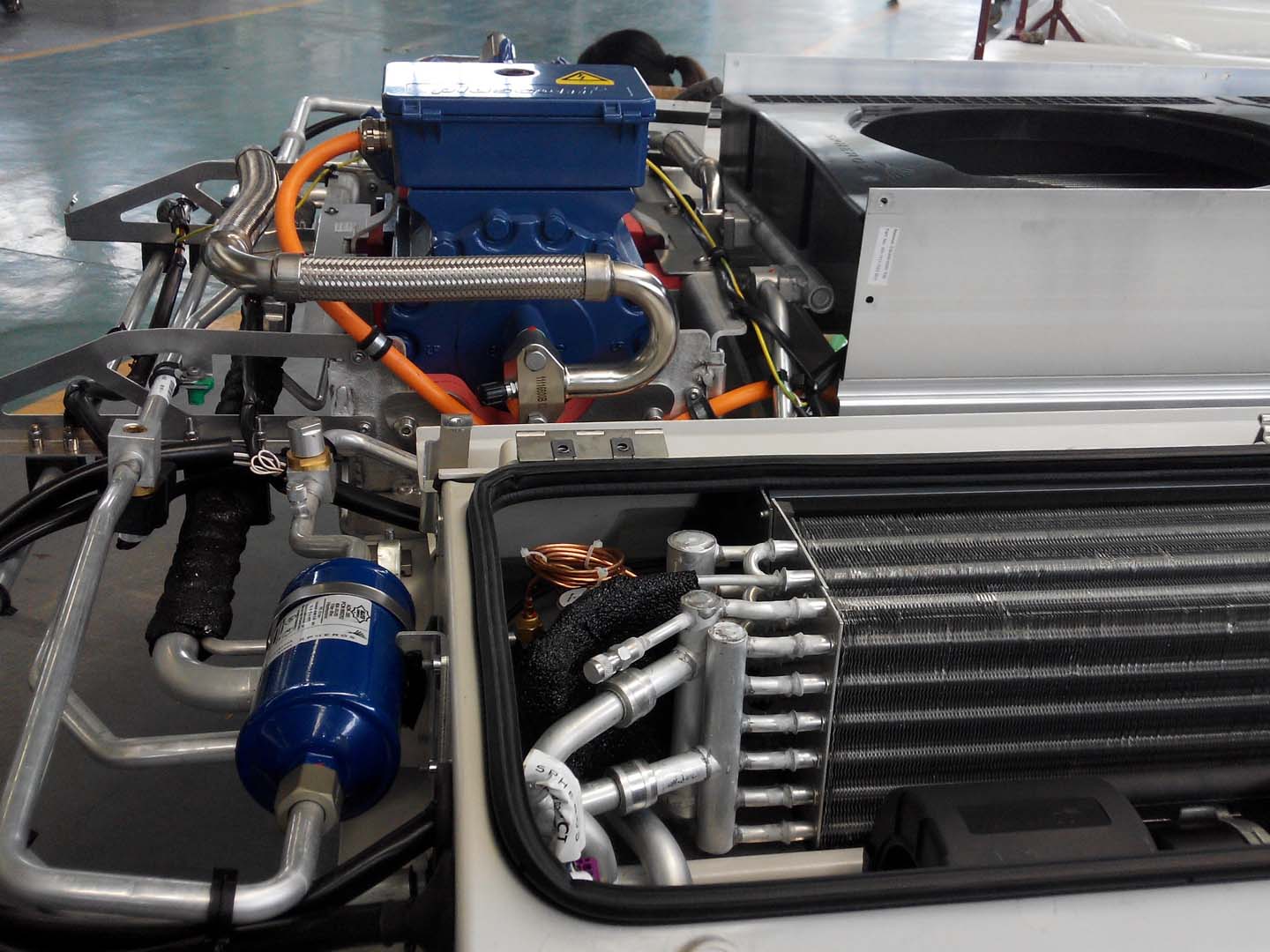
Bus air conditioning receiver drier is generally installed on the high-pressure liquid line from the condenser to the expansion valve to prevent ice blockage and dirt blockage in the system. It is suitable for Freon refrigeration systems with low water solubility.
The function of the drier filter is actually a combination of a dryer and a filter.
It absorbs moisture from the refrigerant while filtering impurities, preventing the expansion valve from freezing due to water content or becoming dirty due to impurities, and ensuring that the Freon does not deteriorate.
The structure of the drier filter includes a desiccant, such as granular silica gel, molecular sieves, or activated alumina, used to absorb moisture from the refrigerant.
Filter screens are installed at both ends to filter impurities from the refrigerant. Some large refrigeration units only have a filter screen at the outlet end for easy removal and replacement.
The drier filter can be directly connected to the refrigerant circulation line and can be installed horizontally or vertically. When installed vertically, the refrigerant should flow from top to bottom.
Bus air conditioning receiver drier needs replacement in the following situations
1. After a period of use, if the drier filter housing becomes cold, condenses, or frosts, it indicates that the desiccant inside has become saturated with water, and the refrigerant flow is partially throttled. The drier filter should be replaced in this case.
2. Observe the sight glass installed on the back of the drier filter. If the color change indicates excessive moisture content, it means the desiccant has become ineffective. The drier filter should be replaced in this case.
3. If the sight glass shows a large number of bubbles, the cause is excessive resistance in the drier filter, indicating that the filter has begun to clog. The drier filter should be replaced in this case.
4. When recharging refrigerant or refrigeration oil, or replacing major components such as the compressor or condenser, the drier filter must be replaced simultaneously.
After replacing the drier filter, to prevent refrigerant leakage or the entry of air or moisture into the system, the reinstalled parts should be leak-tested.
The refrigerant dryer filter is installed on the refrigerant supply line and should be installed appropriately. Attention should be paid to its selection and resistance loss during use to avoid refrigerant flashing due to excessive resistance, which would lead to a decrease in cooling capacity.
The bus air conditioning receiver drier is not merely a passive filter element, but a core component that actively affects the system’s mechanical health, thermal efficiency, and electrical stability. Its fault logic permeates the entire refrigeration cycle. Authoritative opinions and cutting-edge research indicate that elevating it to a strategic level of systematic and preventative maintenance, and conducting comprehensive monitoring and scenario-based maintenance, is essential for improving the overall reliability of bus air conditioning systems, reducing total lifecycle costs, and ensuring comfortable passenger travel.
Related posts:
 Bus Air Conditioner is used for buses and medium-sized commercial vehicles
 Bus AC Low Pressure Fault Diagnosis and Repair
 Bus AC Expansion Valve Repair Technology Analysis
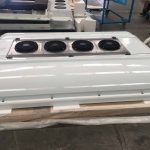 Acc Bus Air Conditioning
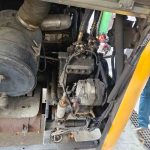 Bus Air Conditioning Compressor Replacement Technical Guide
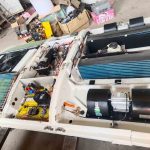 Introduction to Ac For Bus
 Diagnosis and Systematic Solutions for Bus AC Leaking Water
 Bus air conditioner filter replacement
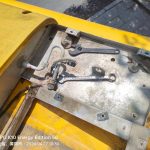 How Air Conditioner For Bus Works
 Bus Air Conditioner Repair Manual
 How Coaches HVAC Works & How to use Coaches HVAC
 Bus AC not blowing air
 Bus air conditioner not turning on: In-depth diagnostic logic
 Bus Air Conditioning Sensor Classification and Repair
 Bus Con Supplier reminds all bus owners to clean BUS AC
 Bus Air Conditioning Unit
 IC Bus Air Conditioning: A Comprehensive Evolution of Integration, Intelligence, and Sustainability
 Bus air conditioning system repair