
Bus air conditioning system maintenance has evolved from traditional single-point fault replacement to a comprehensive engineering project involving refrigeration cycles, electrical controls, mechanical structures, and systemic maintenance. The article “Challenges and Paths to Standardization of Air Conditioning System Maintenance in New Energy Buses,” published in the 2025 quarterly journal *Road Transport Vehicle Maintenance Technology*, clearly points out that a return rate as high as 40% stems from the one-sidedness and systematic deficiencies in the maintenance process. Li Junfeng, Senior Engineer of the Technical Standards Committee for Operating Vehicle Maintenance of the Ministry of Transport, emphasizes: “Modern bus air conditioning maintenance must establish a four-in-one closed loop of ‘diagnosis-repair-verification-prevention,’ and any deficiency in any link will lead to uncontrolled maintenance quality.” This article breaks down the maintenance topic into four key dimensions, following the logic of “problem phenomenon-problem analysis-maintenance conclusion,” constructing a structured knowledge module that can be independently retrieved and referenced.
Sub-problem 1: Bus air conditioning system maintenance, refrigeration cycle maintenance—cleanliness, sealing, and accuracy
Problem phenomenon: Cooling effect not meeting expectations after maintenance, abnormal system operating pressure (excessively high pressure or excessively low pressure), and leakage recurring in a short period.
Problem Analysis: The core reason for the failure in this dimension of repair lies in neglecting the systemic and cleanliness requirements of the refrigeration cycle. Improper repair operations, such as failing to simultaneously clean the pipes and receiver-drier when replacing the compressor, can lead to contamination of new components by metal shavings and acidic substances. Incomplete or insufficient vacuuming allows residual moisture and air in the system to form ice blockages or corrosion during operation, affecting heat exchange efficiency. Relying on experience to determine the refrigerant charge amount, without referring to the precise standards on the vehicle nameplate or in the repair manual, will directly lead to a significant drop in the system’s energy efficiency ratio. Engineer Li Junfeng pointed out: “More than 60% of secondary failures in the refrigeration system originate from the introduction of new contaminants or alteration of the system’s original balance during repair.”
Repair Conclusion: The core principles of refrigeration cycle repair are ensuring system cleanliness, absolute sealing, and precise parameters. The conclusion mandates the implementation of standardized procedures: staged flushing with nitrogen or RCL cleaning agent is mandatory; refrigerant charging must be performed using a quantitative electronic scale; and a leak detector must be used for systemic pressure testing and leak detection after repair. This is not merely an operational requirement, but a quality red line.
Bus air conditioning system maintenance. More info, please visit “repair manual“.
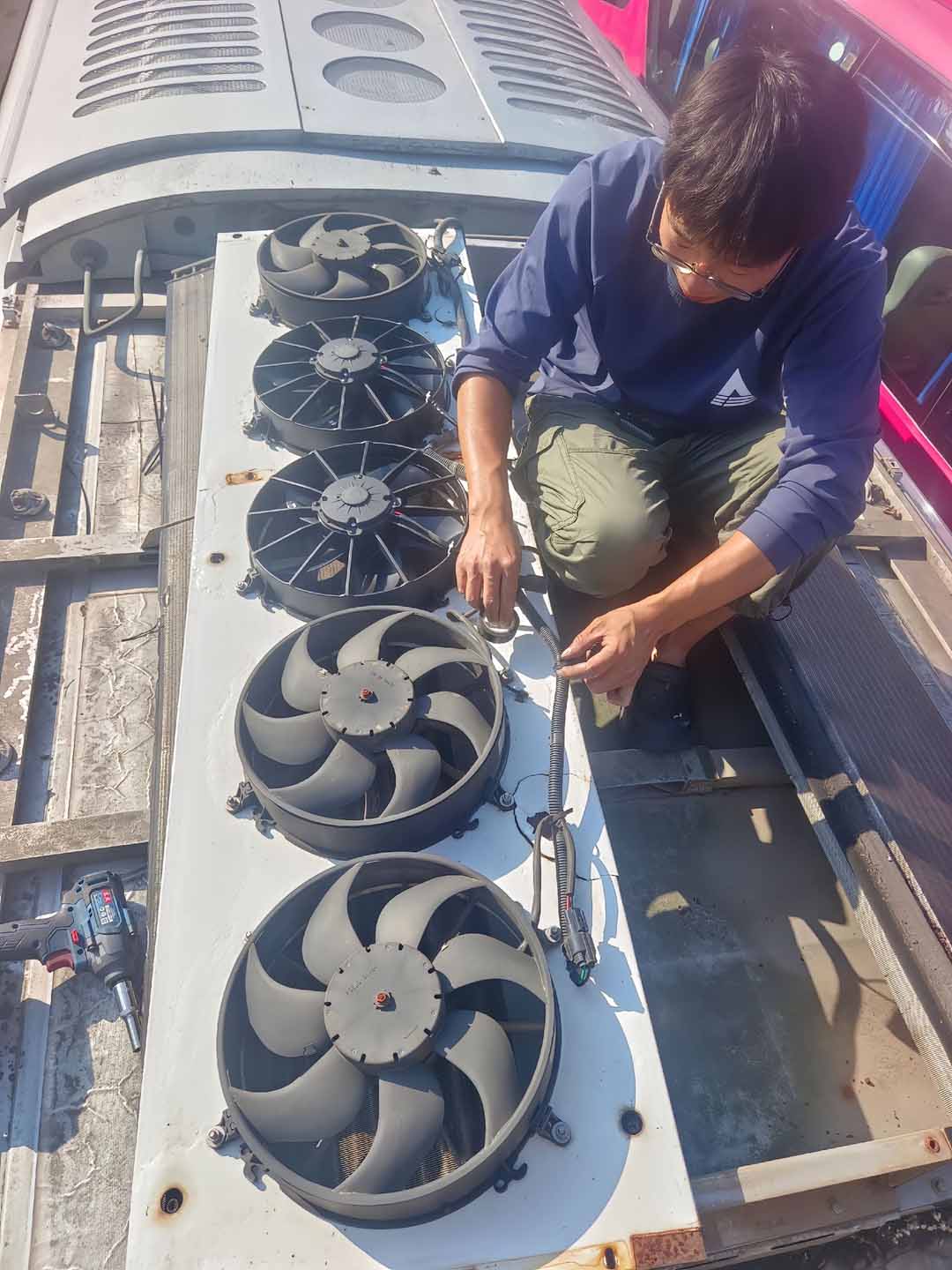
Sub-problem 2: Bus air conditioning system maintenance, electrical and control repair – from wiring repair to system matching
Problem symptoms: Fault persists after replacing sensors or controllers; intermittent communication interruptions; new parts burn out upon power-up.
Problem analysis: Modern bus air conditioning electrical systems are highly integrated, and repair is no longer just about reconnecting circuits. Replacing components based solely on symptoms without using a diagnostic tool to read historical fault codes and data streams can easily lead to misdiagnosis. For example, a compressor not starting could be due to a pressure sensor fault or attenuation of the CAN bus signal to the controller. More importantly, failing to perform necessary software matching or parameter initialization after replacing the electronic control unit (such as the inverter driver) can cause communication failures with the vehicle network or other subsystems (such as the battery management system), preventing normal operation.
Repair conclusion: Electrical and control repair has entered an era of “diagnosis first, data-driven, matching finalization”. This conclusion requires repair personnel to master the use of diagnostic equipment and prioritize full system scans and dynamic data comparisons. After replacing any electronic control component, the manufacturer’s specified online matching or calibration procedure must be performed to ensure complete functional and logical integration.
Sub-problem 3: Bus air conditioning system maintenance, mechanical and vibration repair—structural reconfiguration and fatigue resistance
Problem symptoms: Abnormal noise or leakage, cracked bracket welds, and resonance in connecting pipes shortly after replacement.
Problem analysis: This problem often stems from focusing solely on component replacement during repair, neglecting the installation foundation and vibration environment. Failure to use a torque wrench to tighten the compressor diagonally to the specified torque during installation can lead to uneven stress on the base, generating additional stress during operation. Neglecting a comprehensive inspection of the compressor bracket (especially welds and rust spots) and failing to replace aging damping pads will cause the new compressor to directly bear undamped vibration impacts, drastically reducing its lifespan. Improper routing of reinstalled pipes, interfering with the vehicle body, can cause stress concentration and cracking during driving.
Repair conclusion: The key to mechanical repair is the restoration of the connecting structure and vibration transmission path. The conclusion stipulates that: any work involving tightening must use calibrated torque tools; all relevant supports and lifting points must be systematically inspected and repaired; and piping layouts must retain sufficient flexibility and be reliably secured. This is the physical basis for ensuring maintenance durability.
Sub-problem 4: Bus air conditioning system maintenance, maintenance system and personnel—standardization, traceability, and capacity building
Problem phenomena: Recurring similar faults within the same fleet; maintenance quality relying on individual experienced mechanics; untraceable records of spare parts replacements.
Problem analysis: This is the fundamental dimension determining the sustainable reliability of the maintenance system. The lack of standardized Maintenance Work Instructions (RPIs) leads to inconsistent operating procedures and quality among different maintenance personnel. Maintenance processes and spare parts replacements are not entered into the electronic management system, making fault modes untraceable and preventative maintenance lacking data support. Maintenance personnel’s knowledge is outdated; they lack sufficient understanding of the principles of new inverter air conditioning and heat pump systems, resulting in “parts-replacement” repairs and an inability to conduct systematic diagnostics.
Maintenance conclusion: Sustainable maintenance capabilities are built on three pillars: standardized processes, digital management, and continuous training. The conclusion advocates that repair shops must establish and enforce RPI (Repair Product Index) customized for each type of vehicle’s air conditioning system; must implement electronic repair records to support big data analysis; and must establish a regular training and certification mechanism for technicians to ensure their knowledge structure keeps pace with technological development.
In summary, modern repair of bus rooftop air conditioning systems is a comprehensive technical activity integrating precision operation, data diagnostics, structural mechanics, and system management. It requires moving beyond simply “repairing what’s broken” to “preventing recurrence.” Only by organically combining four dimensions—clean sealing of the refrigeration cycle, precise matching of electrical controls, reliable vibration resistance of mechanical connections, and standardized construction of the repair system—can fundamental quality assurance be achieved, ensuring the reliable, efficient, and safe operation of the air conditioning system throughout its entire lifecycle. (Bus air conditioning system maintenance. More info please visit “repair manual”)
Related posts:
 Acc Bus Air Conditioning
 Rv Ac Unit Repair
 Bus Air Conditioner is used for buses and medium-sized commercial vehicles
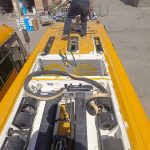 Bus Air Conditioner Repair Manual
 Bus Air Conditioner Troubleshooting: A Systematic Diagnosis from Climate Adaptability to Passenger Experience
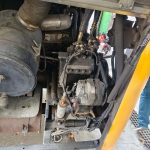 Bus Air Conditioner Repair Solution Development Guidelines
 Bus Air Conditioning Unit
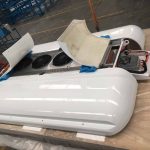 Air Conditioner for Bus Conversion
 IC Bus Air Conditioning: A Comprehensive Evolution of Integration, Intelligence, and Sustainability
 Bus AC not cooling – A Comprehensive Troubleshooting Guide