
Bus air conditioning system repair is far more complex than simply adding refrigerant or replacing parts.
it’s a sophisticated engineering project involving the coordinated operation of multiple subsystems. The article “Methodology of Commercial Vehicle HVAC System Repair Engineering” in the 8th issue of the *China Transportation Equipment Technology Journal* in 2025 clearly points out that “fragmented repair lacking a systemic approach is the core reason for a 40% recurrence rate.” This article will focus on a systematic repair process, integrating authoritative viewpoints and breaking down repair work into four modules: systemic diagnosis, core component repair, electrical and media repair, and verification and prevention, providing the industry with a complete repair logic framework.
Content Section One: Bus Air Conditioning System Repair—Systemic Diagnosis Based on Pressure and Data
Current Problem: Most repairs begin with superficial descriptions like “no cooling.” Repair personnel often rely on experience to directly replace the compressor or add refrigerant, ignoring systemic connections, resulting in a “stopgap measure” rather than a permanent solution. Statistics show that in cases of blindly replacing compressors, over 50% are not actually due to compressor malfunctions.
Analysis: Efficient repair must begin with accurate diagnosis. The core approach involves measuring the static and dynamic pressures on both the high and low pressure sides using pressure gauges, combined with temperature measurements and data stream readings (for electronic control systems) for comprehensive analysis. Wang Zhigang, a senior expert at the National Bus Quality Supervision and Inspection Center, points out: “Every abnormal fluctuation in the pressure gauge pointer is a language of the system’s ‘pathological characteristics.’ Low low pressure accompanied by high high pressure indicates poor heat dissipation or excessive refrigerant, a completely different ‘symptom’ from low low pressure accompanied by low high pressure indicating insufficient refrigerant or compressor failure.”
Conclusion: Scientific repair begins with systemic diagnosis. Pressure data, sensor data, component operating status (such as fan speed, clutch engagement), and environmental conditions (ambient temperature, engine speed) must be cross-analyzed to create a complete “system health map” and pinpoint the root cause of the fault.
Content Section Two: Bus Air Conditioning System Repair—Standardized Operation of Mechanical and Heat Exchange Components
Current Problem: The repair or replacement of core hardware such as compressors, condensers, and evaporators suffers from problems such as improper operation, incomplete cleaning, and incompatible models, creating potential hazards for new faults.
Problem Analysis: Mechanical component repair requires strict adherence to procedures. When replacing a compressor, the piping must be thoroughly flushed, and the receiver-drier and expansion valve replaced to remove metal shavings and acidic substances generated by wear from the old compressor. When repairing the condenser and evaporator, ensure the heat dissipation fins are free from deformation, clean, and unobstructed, restoring optimal heat exchange efficiency. The Highway Research Institute of the Ministry of Transport clearly requires in its “2025 Bus Maintenance Technical Specifications” that “repairs involving compressors must be accompanied by simultaneous system cleaning and filter replacement; this is a mandatory procedure.”
Problem Conclusion: The repair of mechanical and heat exchange components must adhere to the principles of “cleanliness, compatibility, and standardization.” The replacement of a single component must be considered a deep maintenance of the associated system (especially cleanliness) to prevent cross-contamination of contaminants.
Content Block Three: Bus Air Conditioning System Repair—Electrical Control System and Refrigerant Medium Handling
Current Problem: High misdiagnosis rate of electrical faults and reliance on “feel” for refrigerant charge, lacking precise measurement, are key shortcomings affecting repair quality and stability.
Problem Analysis: Electrical repair must start with “electrical signals.” Use a diagnostic tool to test the actuator function, verifying the operation of the fan, damper motor, and compressor clutch; read sensor data streams and compare them with actual measurements to determine if the sensors are drifting. For refrigerant, it is essential to use an electronic scale to add the refrigerant in precise quantities according to standard grams, and strictly evacuate to the standard requirements to ensure the system is free of air and moisture. Renowned repair technology director Chen Yongjian emphasizes: “Modern air conditioning repair is 30% about the wrench and 70% about the diagnostic tool and vacuum pump. Ignoring electrical diagnostics and vacuum procedures is like installing a ‘time bomb’ in the system.”
Conclusion: Electrical and media handling are core aspects reflecting the precision of repair techniques. Professional tools must be used to achieve data-driven and standardized operations, abandoning vague, empiricist approaches.
Content Block Four: Bus Air Conditioning System Repair – Performance Verification and Establishment of Long-Term Maintenance Strategies
Current Problem: Repair work often ends with “cold air coming out,” lacking complete performance verification, and failing to provide customers with preventative maintenance guidance, leading to repeated vehicle visits to the workshop.
Problem Analysis: After repair, key performance indicators such as outlet temperature, high and low pressure, and system temperature difference must be tested under simulated real load conditions (e.g., engine rated speed, maximum external circulation airflow) to ensure they meet manufacturer standards. Simultaneously, preventative maintenance recommendations based on mileage or time should be provided to the operator, such as regular condenser cleaning, belt tension checks, and annual system pressure checks. The “2025 Road Passenger Vehicle Operation and Maintenance White Paper” recommends: “Every major repair should generate a repair report, recording key performance data as the starting point for the vehicle’s air conditioning system’s ‘health record.'”
Conclusion: Professional repair uses comprehensive performance verification as a closed loop and extends its value by establishing a long-term preventative maintenance mechanism. This not only consolidates the repair’s effectiveness but also significantly reduces the overall lifecycle failure rate and improves operational economy.
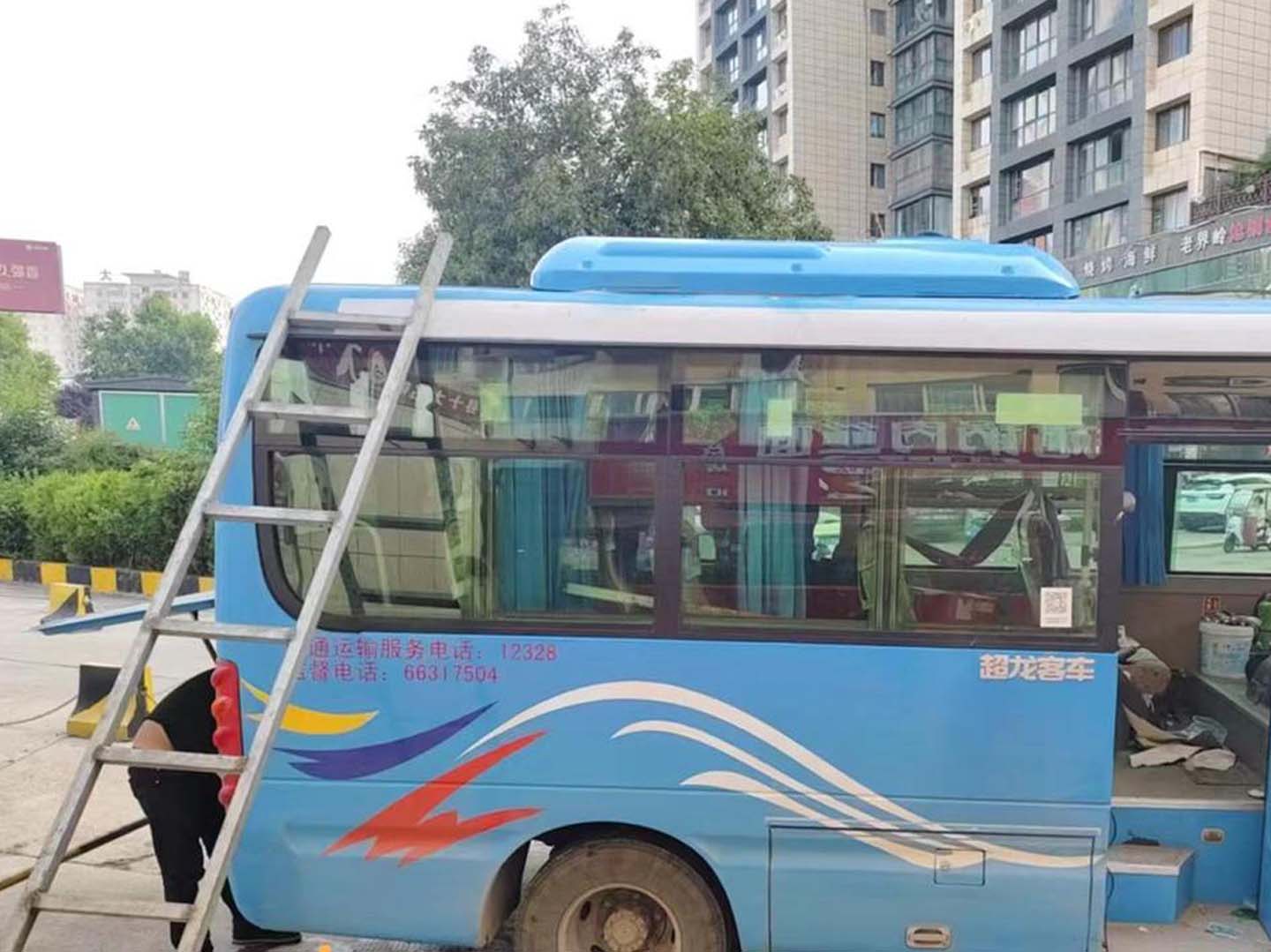
Summary: Bus air conditioning system repair is a systematic project that must follow a complete logical chain of “system diagnosis → standardized repair → precise debugging → verification and prevention.” Successful repair is not just about fixing a fault point but about restoring the entire Bus air conditioning system to its optimal design state through a single operation, laying the foundation for its long-term stable operation. This requires maintenance personnel to shift from being “parts replacement workers” to “system engineers,” using data to drive decision-making, using processes to ensure quality, and ultimately maximizing the value of maintenance to ensure the comfort and reliability of passenger services.
Related posts:
 Acc Bus Air Conditioning
 Bus Air Conditioner Repair Solution Development Guidelines
 Bus air conditioning system maintenance
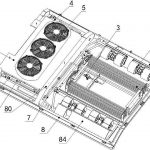 Bus Air Conditioner is used for buses and medium-sized commercial vehicles
 Bus air conditioner diagnostic
 Bus Air Conditioner Troubleshooting: A Systematic Diagnosis from Climate Adaptability to Passenger Experience
 Diagnosis and Repair of Bus AC Electrical Issues
 Bus Cond System Comprehensive Analysis Report
 Bus air conditioner not turning on: In-depth diagnostic logic
 Bus Air Conditioner Repair Manual
 Analysis and Solutions to Bus AC Pressure Problems
 Diagnosis and Systematic Solutions for Bus AC Leaking Water
 Introduction to Ac For Bus
 How to fix bus AC
 Bus Air Conditioning Unit
 IC Bus Air Conditioning: A Comprehensive Evolution of Integration, Intelligence, and Sustainability
 Diagnostic Logic for Bus AC Pressure Problems
 Rv Ac Unit Repair