Bus Aircon Supplier states that new energy bus air conditioning is no longer solely for heating and cooling; it’s increasingly addressing needs related to in-vehicle air quality, energy conservation, and environmental protection, while also matching individual consumer demands.
As China’s new energy vehicle market matures, bus air conditioning will also impact driving range and battery capacity.
Bus Aircon Supplier analyzes key refrigerant development trends: According to EU regulations on fluorinated greenhouse gases, after January 1, 2017, the EU will completely ban the use of refrigerants with a Global Warming Potential (GWP) exceeding 150 in newly manufactured automotive air conditioning systems. Since the currently used HFC134a has a GWP of approximately 1300, significantly exceeding this limit, its use will be prohibited. Combined with statistics from the US EPA, Bus Aircon accounts for approximately 0.1% of global greenhouse gas emissions.
Regarding refrigerant selection, the overall approach should be to comply with relevant regulations, meeting not only environmental requirements but also the principles of safety, stability, and cost control. Ideally, a refrigerant should have an ODP of 0, a GWP of 0, relatively stable chemical and physical properties, be non-flammable and non-toxic, possess superior thermodynamic properties, and have low raw material costs and abundant supply.
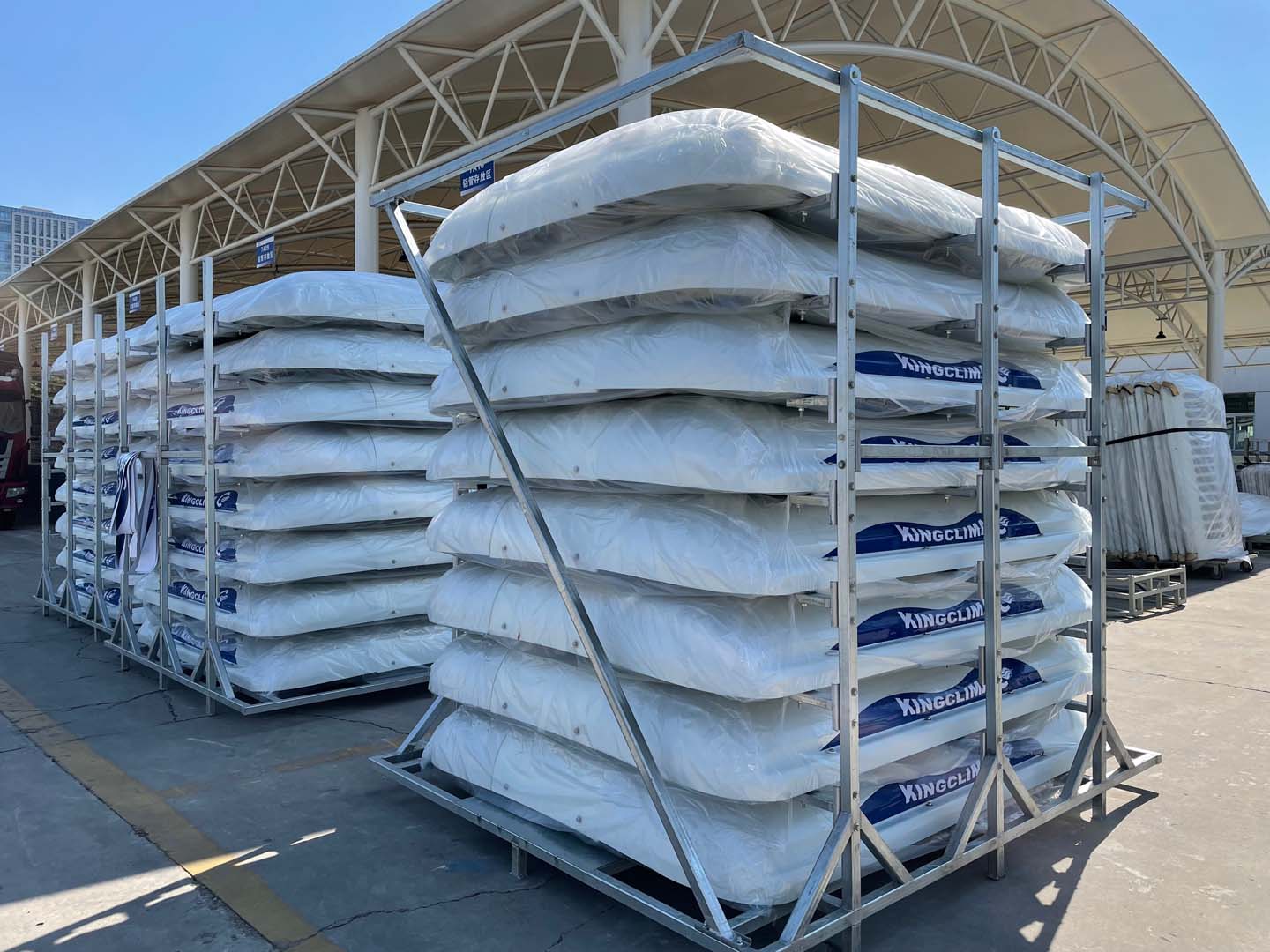
Bus Aircon Supplier Analysis of Major Compressor Development Trends
Currently, compressor design focuses on reducing the size and weight of the machine itself, controlling noise generation, and enhancing vibration stability.
At present, foreign compressors primarily utilize rotary vane, swashplate, and scroll designs to effectively control noise generated by frequent clutch engagement.
To achieve optimal control, variable displacement externally controlled compressors are gradually becoming the most prevalent development trend for automotive air conditioning compressors globally.
This is because they offer advantages such as compact structure, lighter weight, and energy savings, reducing energy consumption by at least 30%.
Furthermore, with increasing international emphasis on environmental protection, electric compressors are moving closer to a higher level of development, capable of fully meeting and addressing the actual needs of hybrid fuel cell vehicles for automotive air conditioning.
Because future refrigerants may include CO2, and considering that current compressors cannot fully meet the actual needs of the system, further research and development of compressors using CO2 as a refrigerant is necessary.
Bus Aircon Supplier analyzes the main development trends of condensers. In summary, condensers have mainly gone through three stages: tube-plate type, tube-replacement type, and parallel flow type. Currently, parallel flow type condensers are the main type used in my country, which can significantly improve the overall performance of the system. The mainstream design integrates the condenser and the liquid receiver/drier into one unit, aiming to effectively reduce the number of air conditioning pipes and thus reduce refrigerant leakage.