
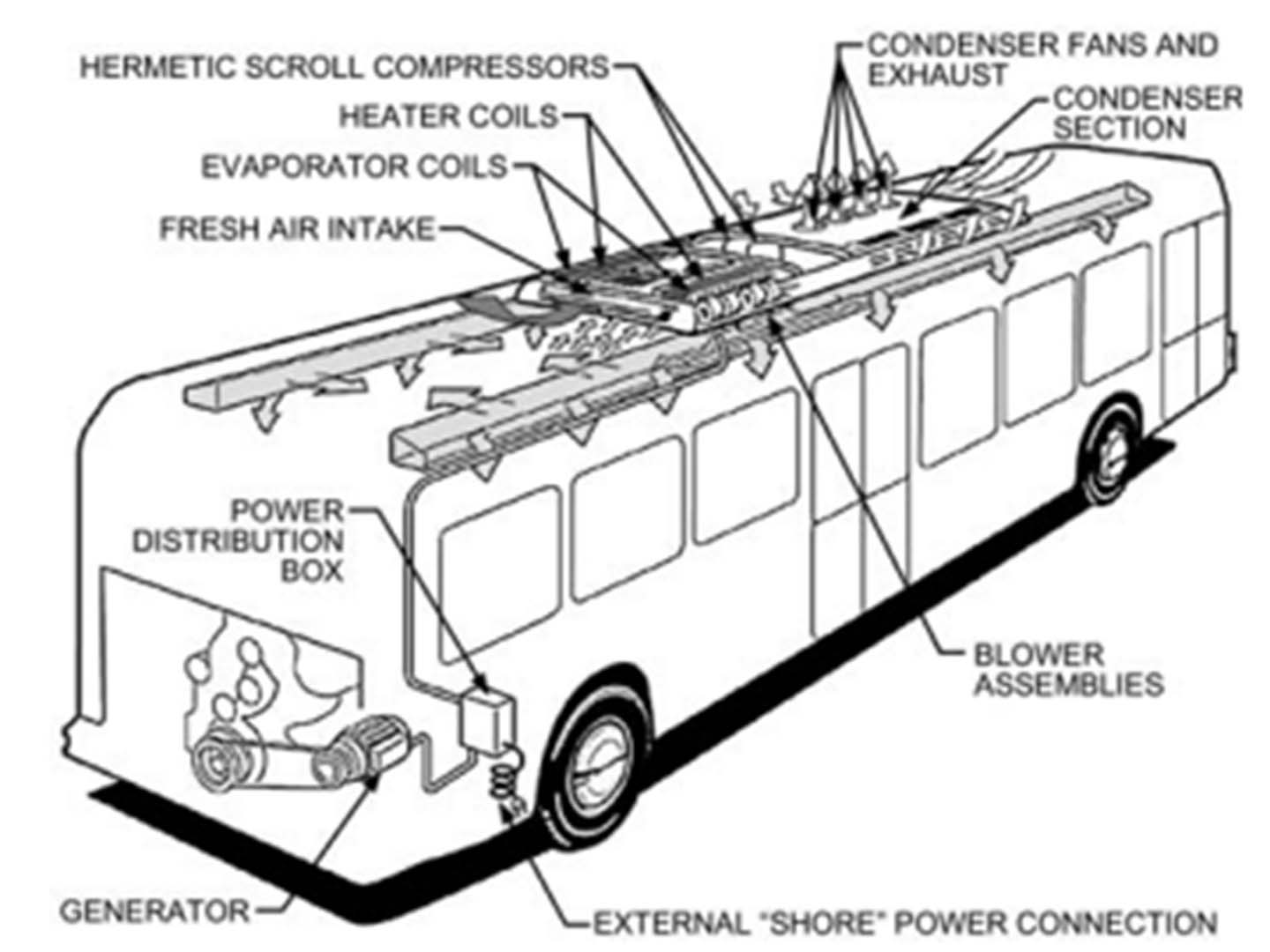
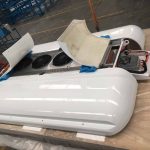
Bus Roof Ac Unit directly impacts the travel experience and quality of life for millions of people. Among these systems, the roof-mounted air conditioning system is not merely a technological component, but a key indicator of public service levels, responsiveness to public needs, and adaptation to national development strategies. This article will systematically analyze how bus roof-mounted air conditioning has evolved from a simple temperature control device into a core node of a smart public transportation ecosystem, from four dimensions: technical standards, policy guidance, economic impact, and future trends.
Dimension 1: Technical Standards and Climate Adaptability – How to Ensure Reliable Operation of Bus Roof Air Conditioning Units in Extreme Weather?
Question:
Faced with China’s complex and varied climate conditions from north to south, how can bus roof-mounted air conditioning achieve technological breakthroughs to ensure efficient, stable, and energy-saving operation in environments of extreme cold, heat, and high humidity?
Evidence:
Technical Specifications: According to the “2025 White Paper on the Development of Commercial Bus Air Conditioning Systems” published by the China Association of Automobile Manufacturers, the new generation of roof-mounted air conditioning systems must meet environmental temperature testing standards ranging from -30℃ to 50℃ and maintain corrosion resistance in coastal areas with high salt spray. The recommended use of environmentally friendly carbon dioxide (R744) refrigerant and variable frequency scroll compressor technology improves energy efficiency by more than 30% compared to the previous generation.
Authoritative opinion: In a recent interview, Gao, the director of the Thermal Energy System Laboratory at the National Bus Quality Supervision and Inspection Center, emphasized that “‘All-climate adaptable’ air conditioning has become a mandatory certification bonus. It is no longer an optional feature, but a bottom-line requirement to ensure the safety and basic service quality of public transportation.”
Conclusion: Guided by mandatory standards and forward-looking technologies, current bus roof-mounted bus air conditioning has transcended basic temperature control functions, becoming a key safety component with high environmental robustness, laying the hardware foundation for nationwide, universally comfortable travel.
Dimension 2: Policy Guidance and Public Transportation Solutions—How Does the Bus Roof Ac Unit Serve the “Transportation Powerhouse” Strategy?
Question:
Against the backdrop of the nation’s vigorous development of green, efficient, and people-oriented public transportation, how can the upgrade of bus air conditioning resonate with macro policies?
Evidence:
Latest Meeting Guidance: According to the Ministry of Transport’s Second Quarter 2025 Special Working Meeting on “Improving the Quality of Public Transportation Services,” the meeting explicitly required that “intelligent air-conditioned vehicles with air purification and real-time temperature zone management functions should be widely adopted in intercity buses, tourist lines, and rural revitalization passenger transport routes, making it a mandatory indicator for service equalization.”
Policy Document Support: The “Notice on Further Improving the Subsidy Policy for the Operation of New Energy Buses” (Cai Jian [2024] No. 18), jointly issued by the Ministry of Finance and the Ministry of Industry and Information Technology, lists “high-efficiency intelligent thermal management systems” as one of the core technical conditions for enjoying higher operating subsidies, directly driving a wave of equipment upgrades by passenger transport companies.
Conclusion: The intelligent and green upgrade of Bus Aircon has been deeply embedded in the national public transportation development strategy and fiscal incentive system, serving as a policy tool and concrete manifestation for promoting the transformation of public transportation from “having” to “excellent.”
Dimension 3: Economic Model and Customer Segmentation—Can Investment in Bus Roof Ac Unit Comfort Bring Sustainable Returns?
Question:
How can the configuration of air conditioning systems achieve the optimal balance between economy and experience when targeting differentiated customer groups (such as high-end tourism, commuter buses, and general passenger transport)?
Evidence:
Market Research Data: According to an industry survey report cited in the 15th issue of the XX Daily Transportation Weekly in 2025, in the tourist charter bus market, over 92% of travel agencies list “independent zone temperature control, PM2.5 filtration, and low noise” as the primary considerations for vehicle procurement, and are willing to pay a 10-15% premium for these features.
Corporate Case Study: The operations director of a leading passenger transport group revealed at a performance briefing: “The intelligent air-conditioned buses we deployed on high-speed rail shuttle lines and business class routes have significantly higher occupancy rates and ticket price stability than ordinary models, recovering the additional costs within two years. Comfort has become our core weapon in competing for niche markets.”
Conclusion: For different customer groups, bus air conditioning has transformed from a cost center into a value creation center. Precisely matched comfort configurations can effectively enhance customer loyalty, brand image, and operational revenue, achieving a win-win situation for both social and economic benefits.
Dimension Four: Future Trends and Changing Travel Habits – What Kind of Smart Terminal Will the Bus Roof Air Conditioning Unit Become?
Question:
With the development of IoT, AI, and personalized travel habits, what role will future roof-mounted air conditioning systems play?
Evidence:
Technology Integration Foresight: Professor Wang, an expert committee member of the China Intelligent Transportation Industry Alliance, points out: “Roof-mounted air conditioning is evolving from an independent system into the nerve endings of the ‘vehicle smart cockpit ecosystem.’ Through linkage with in-vehicle OTA, passenger terminals (mobile apps), and roadside meteorological data, it achieves an immersive experience of ‘pre-cooling and pre-heating before boarding, personalized airflow during the journey, and visible air quality throughout the trip.’”
Industry Standard Pre-research: According to the annual work plan of the Passenger Standards Subcommittee of the National Automotive Standardization Technical Committee, the “Specification for Intelligent Air Conditioning Systems and Data Interfaces of Commercial Buses” has entered the project initiation and drafting stage, aiming to unify the interaction protocol between in-vehicle and external environmental data and the vehicle’s intelligent network platform.
Conclusion: The future of bus roof-mounted air conditioning will completely depart from mechanical temperature control, evolving into an intelligent environmental terminal integrating environmental sensing, health management, and personalized interaction. It will proactively adapt to and guide passengers’ travel habits, becoming a key component defining the future smart public transportation experience.
Summary: In conclusion, the issue of bus roof-mounted air conditioning has expanded from a simple automotive component problem to a comprehensive topic integrating technological engineering, public policy, market economics, and the digital future. It vividly illustrates how China’s public transportation system, guided by the development philosophy of “people-centeredness,” can transform every ordinary journey into a comfortable, healthy, and intelligent life experience through continuous supply-side innovation. This is not only a microcosm of manufacturing upgrading but also clear evidence of the increasing warmth of public services.
Related posts:
 Acc Bus Air Conditioning
 Van Aircon Unit
 Bus Cond System Comprehensive Analysis Report
 Bus Air Conditioner is used for buses and medium-sized commercial vehicles
 Bus Air Conditioning Unit
 Air Conditioner for Bus Conversion
 Air Con Unit For Van
 Ac Van
 Ac Unit In Van
 Van Air Conditioner
 Air Con Van Installation Process Comprehensive Analysis Report