
Camper Rooftop Ac is the core of mobile space temperature control, and its selection and effectiveness are complex multivariate functions. Beyond the simple understanding of “cooling,” its comprehensive performance is determined by product parameters, actual usage scenarios, user lifestyles, and the target customer group. This article approaches the issue from four dimensions, providing a systematic evaluation framework through a logical chain of “phenomenon-analysis-conclusion.”
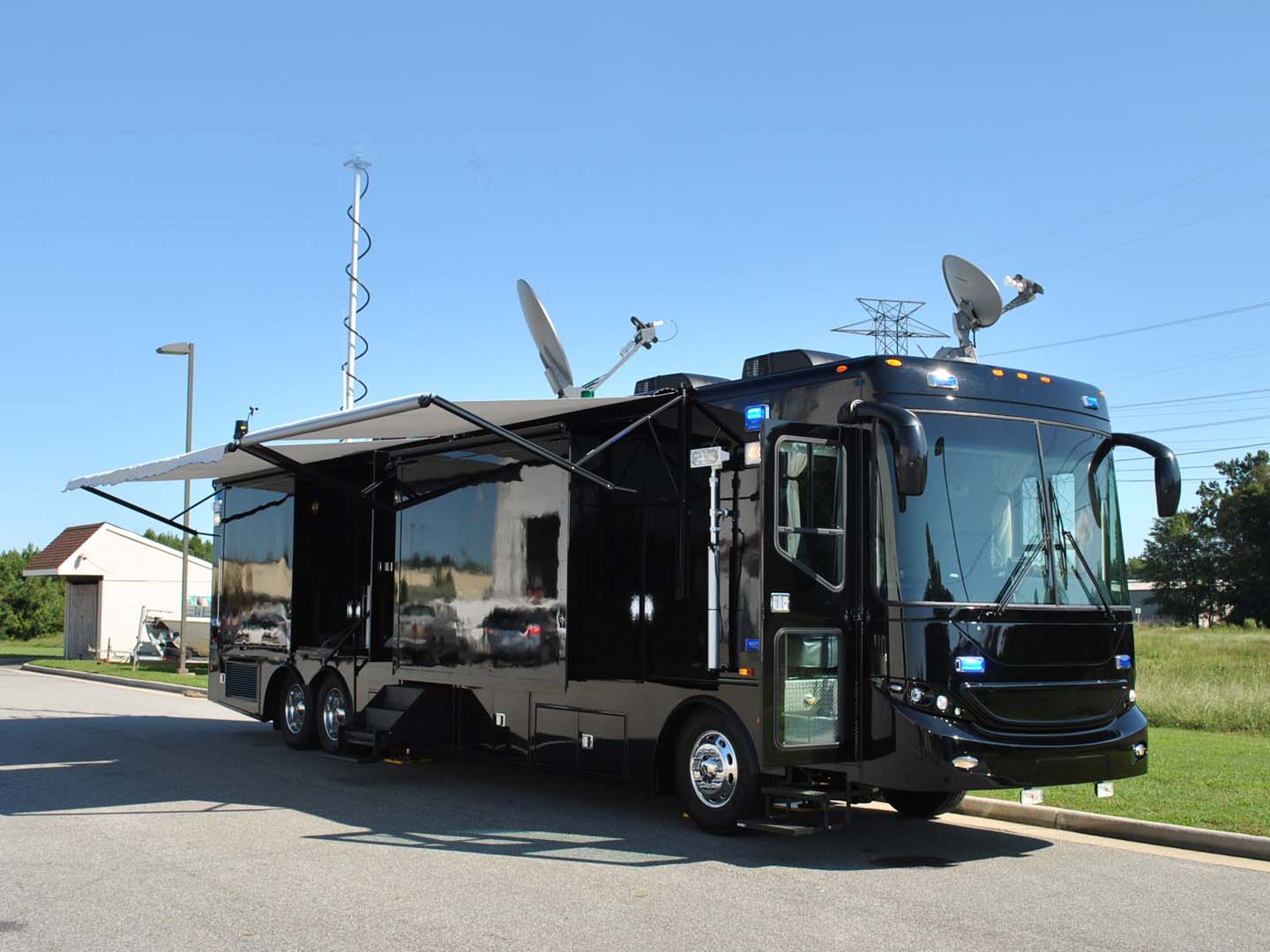
Performance Parameters—Camper Rooftop Ac
Consumers generally prioritize “large cooling capacity” (high BTU value) as the primary selection criterion, but in actual use, situations often arise where “excellent data, poor experience,” such as excessive power consumption or excessive noise.
This contradiction stems from over-reliance on a single parameter. The 2025 Annual Evaluation Report on RV Environmental Control Systems clearly points out that the competitive focus of contemporary high-quality rooftop air conditioners has shifted from “peak performance” to a balance between “Comprehensive Energy Efficiency Ratio (SEER)” and “operating noise quality.” The report, through comparative testing data, found that air conditioners using full DC inverter technology have an average overall energy efficiency improvement of over 40% compared to traditional fixed-frequency models, and offer more stable and comfortable temperature control. According to the latest consensus from the 2025 International Automotive NVH (Noise, Vibration, and Harshness) Technology Symposium, for RVs with limited space and constraints on sound insulation material usage, the low-to-mid-frequency noise level of the air conditioner in sleep mode at night is a key indicator of user satisfaction. Renowned air conditioning system engineer Wang Lei emphasized in the analysis report: “For RVs, the ‘smartest’ air conditioner is not necessarily the most powerful, but rather the one that best understands energy saving and quietness. High energy efficiency means longer off-grid range, while low noise directly equates to a higher quality of living. When purchasing, energy efficiency rating labels and sleep mode noise levels are more valuable than maximum cooling capacity.”
Therefore, the priority for evaluating roof-mounted air conditioner parameters should be: High Seasonal Energy Efficiency Ratio (SEER) > Low operating noise (especially focusing on the low-to-mid-frequency range) > Sufficient cooling capacity suitable for the space. Inverter technology is the core to achieving the first two advantages.
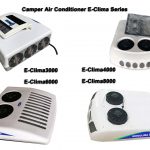
| Model | E-Clima2200 | E-Clima3000 | E-Clima4000 | E-Clima6000 | E-Clima8000 | E-Clima2600S |
| Voltage (V) |
DC12V/24V | DC12V/24V | DC12V/24V | DC12V/24V | DC12V/24V | DC12V/24V |
| Cooling Capacity (W/BTU) |
2200W//7500 | 3000W/10000BTU | 4000W/15000BTU | 6000W/20472BTU | 8000W/27300BTU | 2600W/78870BTU |
| Installation | Rooftop Mounted | Rooftop Mounted | Rooftop Mounted | Rooftop Mounted | Rooftop Mounted | Split Mounted |
| Evaporator Air Volume (m³/h) |
650 | 700 | 650 | 650 | 1500 | 450 |
| Condenser Air Volume (m³/h) |
1050 | 1400 | 1050 | 1700 | 3600 | 1400 |
| Refrigerant | R134a | R134a | R134a | R134a | R134a | R134a |
| Dimension (mm*mm*mm) |
700*580*263 | 885*710*290 | 700*580*263 | 1580*385*180/ 920*928*250 |
1260*1030*180 | 682*465*192 540*362*165 |
| Weight (KG) |
32 | 35 | 18/47 | 18/47 | 31 |
Usage Scenarios—Camper Rooftop Ac
The same air conditioner may perform poorly in the humid and hot South China region, but perform excellently in the dry and cool Northwest region, leading to polarized user evaluations.
This is because the actual efficiency of an air conditioner is highly dependent on the heat load imposed by the external environment. High temperature and humidity environments require air conditioners to handle not only sensible heat (cooling) but also a large amount of latent heat (dehumidification), resulting in a huge load. The “China RV Tourism Climate Adaptability White Paper” released in 2025, through modeling analysis, points out that to achieve the same level of in-vehicle comfort in Sanya during the summer, the total cooling load required by the air conditioner in Sanya is nearly 1.8 times that in Xining during the summer. The white paper further recommends that in southern regions, models with strong dehumidification capabilities and optimized condenser heat dissipation performance should be prioritized. Chen Hao, a senior thermal management consultant in the industry, analyzed in a panel discussion: “Rooftop Camper Air Conditioner is ‘passive response’ systems, and their design needs to be tailored to the ‘home climate.’ South of the Yangtze River, users should focus on the product’s ‘high-temperature cooling capacity’ and ‘high external temperature heat dissipation design’; in Northeast and Northwest China, the focus should be on its heating function (such as heat pump types) and low-temperature start-up reliability. There is no universal ‘champion,’ only ‘experts’ for specific scenarios.”
Therefore, discussing air conditioner performance without considering the primary operating region is ineffective. Users must select and match air conditioner models based on the climate characteristics (temperature, humidity) of the vehicle’s primary operating area, and, if necessary, choose versions optimized for specific climates.
Lifestyle Habits—Camper Rooftop Ac
With the same vehicle model and battery capacity, some users can comfortably spend the night with air conditioning, while others trigger low-voltage protection after only a few hours. The key lies in how users manage their “energy budget.”
Electric power is a scarce resource in RVs, and air conditioning is a major energy consumer. User habits (such as set temperature, duration, and start-stop frequency) directly determine the system’s energy consumption curve. Users accustomed to off-grid living often develop sophisticated energy management strategies. The 2025 “China RV User Energy Usage Behavior Survey Report” reveals that over 65% of experienced off-grid users set their air conditioners to “energy-saving mode” or “higher nighttime temperature setting,” matching air conditioner usage to peak solar power generation periods. The report indicates that air conditioners with “intelligent power management” functions (such as the ability to automatically adjust output power based on battery level) can reduce user anxiety by 50%. Energy management expert Zhang Wei points out: “The future competitiveness of RV air conditioners lies in their ‘energy-coordination intelligence.’ They can read the battery’s SOC (State of Charge) and predict solar energy input, thus automatically planning the most economical operating strategy. For example, they can proactively cool down and store cooling capacity during the afternoon when there is ample sunlight to reduce nighttime power consumption. This intelligence is a perfect combination of habit and technology.”
Therefore, users’ energy usage habits should match the level of intelligence of their air conditioners. For users who prioritize off-grid range, priority should be given to air conditioners with intelligent energy management capabilities that can interact with the RV’s energy system (BMS, solar controller).
Customer Base – Camper Rooftop Ac
Individual RV owners are keen to explore high-end features such as variable frequency and quiet operation, while RV rental companies emphasize “durability and low maintenance costs” when purchasing.
This stems from the fundamentally different core value demands of the two customer groups. Individual consumers (C-end) purchase “lifestyle experiences” and “emotional fulfillment,” focusing on comfort, technological sophistication, and brand recognition, and are willing to pay a premium for a better experience. Corporate clients (B-end, such as rental companies and fleets) purchase “production tools,” with “Total Cost of Ownership (TCO)” as their core decision-making factor, paying close attention to product reliability, failure rate, ease of maintenance, and cost. A 2025 Commercial Fleet Operating Cost Analysis Report indicates that for rental companies, the cost weight of vehicle downtime losses due to equipment failure far exceeds the purchase price difference of the equipment itself. An operations director at a large rental company frankly stated, “Our standard for a ‘good air conditioner’ is simple: low failure rate, quick repair at any location nationwide, and inexpensive parts. Fancy smart features have limited value for us and short-term renters.”
Therefore, there is no single answer to the question of the “best” RV roof-mounted air conditioner. For individual users, its “excellence” lies in ultimate comfort, quiet operation, and intelligent connectivity; for corporate users, its “excellence” lies in ultimate reliability, ease of maintenance, and low TCO. Clearly identifying which user group you belong to is the first step in making the right choice.
Camer Rooftop Ac Summary
Realizing the value of an RV roof-mounted air conditioner is a systematic project that starts with hardware parameters (high efficiency and quiet operation), undergoes rigorous screening based on usage scenarios (regional climate), deeply interacts with user lifestyle habits (energy management), and ultimately aligns with the specific customer group (value demands). The selection logic should be: clarify identity (user group) → define the home environment (scenario) → evaluate habits → select parameters. Only by completing this closed-loop consideration across these four dimensions can the selected air conditioner be elevated from a mere “cooling appliance” to a true “comfort cornerstone” that enhances the quality of RV living. In the future, intelligent air conditioners with scene-adaptive capabilities and open energy interfaces will better manage this complexity.
Related posts:
 Small Ac For Camper
 Best Ac For Rv
 12 Volt Rv Ac Unit
 12V Rv Ac Unit
 Low Profile Rv Ac Unit
 Small Rv Ac
 Camper Roof Ac Unit
 Camper Air Conditioner
 Camper Air Conditioning Unit
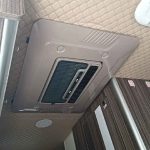 Small Air Conditioner for Camper
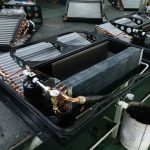 Camper Ac
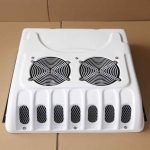 Air Conditioning Units for RV and Minibus Air Conditioner
 12 Volt Air Conditioner For Rv
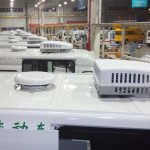 Low Profile Rv Ac
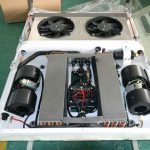 Air Conditioning Units for Campers Installation Process
 Similarities between RV Camper Air Conditioner and Minibus AC
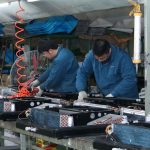 Air Conditioning for Motorhomes Manufacturing Process
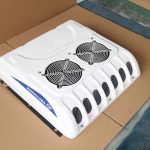 Ac For RV Camper Market Analysis Report