
DC Bus Rooftop Air Conditioner
DC Bus Rooftop Air Conditioner’s key feature is its highly efficient system designed specifically for electric vehicle platforms.
Its core drive typically utilizes a high-performance electric compressor.
The system design employs a symmetrically distributed evaporator and condenser layout, coupled with a dedicated refrigerant distributor.
Its internal pressure-stabilizing cavity design effectively reduces flow resistance, ensuring refrigerant is evenly distributed to the left and right evaporators, thereby guaranteeing uniform heat exchange within the passenger compartment and maximizing system efficiency.
The advantages of the DC Bus Rooftop Air Conditioner stem primarily from its installation location: it does not occupy passenger compartment space, freeing up valuable standing and luggage areas; the short top airflow path facilitates rapid and uniform temperature regulation, avoiding the temperature differences between the front and rear of the passenger compartment that can occur with traditional layouts.
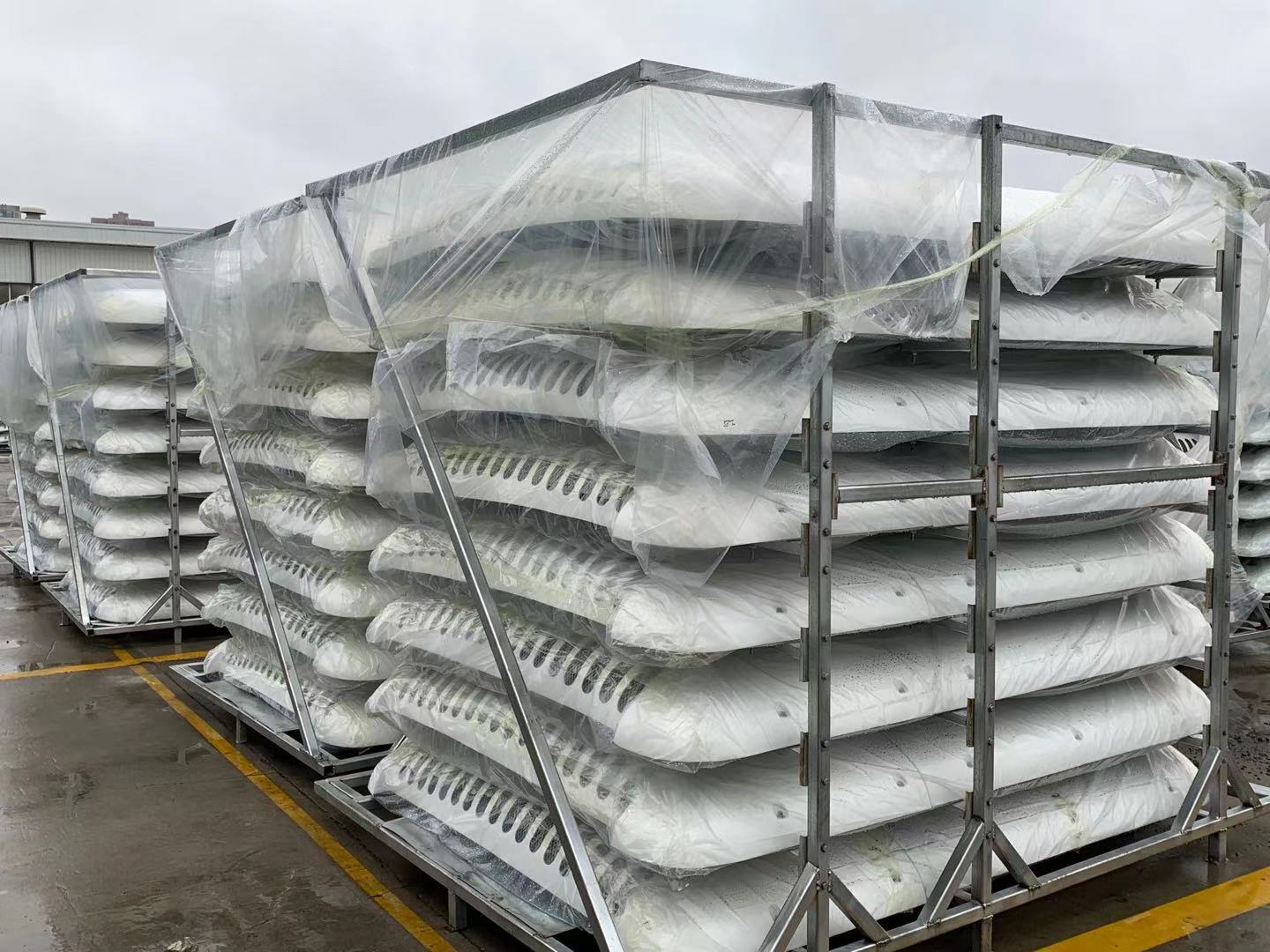
The direct purchasers of the DC Bus Rooftop Air Conditioner are major bus manufacturers (OEMs), who integrate it as a key subsystem based on vehicle positioning (high-end tourist buses, city buses, intercity passenger transport, etc.).
End users include bus companies, airport bus operators, long-distance bus companies, and tour rental companies. Globally, the rapid adoption of electric vehicles is the core driving force. The *Busclima 2025 Market Report* points out that the growth of electric vehicles not only drives demand for drive motors but also simultaneously increases demand for DC motors used in auxiliary systems such as air conditioning pumps and fans, creating a mutually reinforcing growth trend. This indicates that the market for DC bus rooftop air conditioners will continue to expand along with the promotion of electric buses.
DC bus rooftop air conditioners have evolved from simple heating and cooling devices into key intelligent systems affecting the operating economy, range, and ride quality of electric buses. Their technological development is continuously evolving around the direction of “higher energy efficiency, more intelligent integration, and a better experience.”
Related posts:
 DC Bus Air Conditioning System
 DC Bus Air Con
 DC Ac For Buses
 DC Shuttle Bus Air Conditioner
 DC Bus Air Conditioner
 DC Bus Ac Unit
 DC Coaches Hvac
 DC Air Conditioner For Bus
 Pakistan Bus Air Conditioner
 DC Bus Air Conditioning
 Air Conditioning Units for Motorhomes: A Distributed Temperature Control System