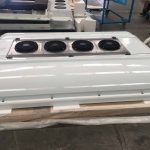
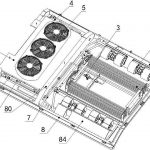
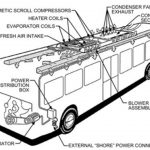
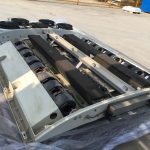
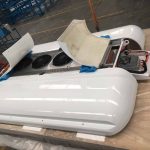
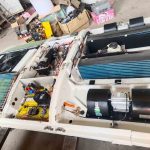
Electric Bus Acoustic System has evolved from a traditional comfort component into a critical system determining vehicle range, operational economy, and passenger experience.
The widespread adoption of electric buses is a core indicator of the green transformation of public transportation. This article will provide a comprehensive analysis of the technological challenges and innovation paths of electric bus air conditioning systems from four dimensions: energy consumption and range, climate adaptability, policy and standard-driven development, and intelligent thermal management.
Dimension 1: The Energy Consumption and Range Contradiction—How Can the Electric Bus Acoustic System Avoid Becoming a “Range Killer”?
Problem:
Electric bus batteries are precious, and the enormous energy consumption of traditional high-pressure air conditioning systems severely erodes range, especially in summer. How can the core contradiction of “range anxiety when the air conditioning is on, and a collapsed experience when the air conditioning is off” be resolved?
Evidence:
Industry Test Data: According to a survey of bus companies in ten provinces and cities cited in the “2025 China New Energy Vehicle Thermal Management Technology Industry Development Report,” in temperatures above 35℃, air conditioning energy consumption can account for 30%-40% of the total energy consumption of electric buses, making it the primary factor causing actual operating mileage to decrease by more than 25% compared to the nominal value.
Authoritative Technical Approach: The team of Academician Ouyang Minggao from the School of Vehicle and Transportation at Tsinghua University pointed out in a published paper: “The core of thermal management for electric commercial vehicles is ‘energy efficiency ratio’ rather than absolute power. Using carbon dioxide (R744) heat pump air conditioning in conjunction with the vehicle’s thermal management system is the fundamental path to solving the pain points of energy consumption for heating in winter and cooling in summer, which can improve the overall energy efficiency by more than 50% throughout the year.”
Conclusion: The main technological focus of electric bus air conditioning has shifted from single cooling/heating to pursuing comprehensive thermal management with extremely high energy efficiency ratios across all climates. Reducing air conditioning energy consumption is directly equivalent to increasing effective operating mileage, which is the primary engineering challenge for the successful commercial operation of electric buses.
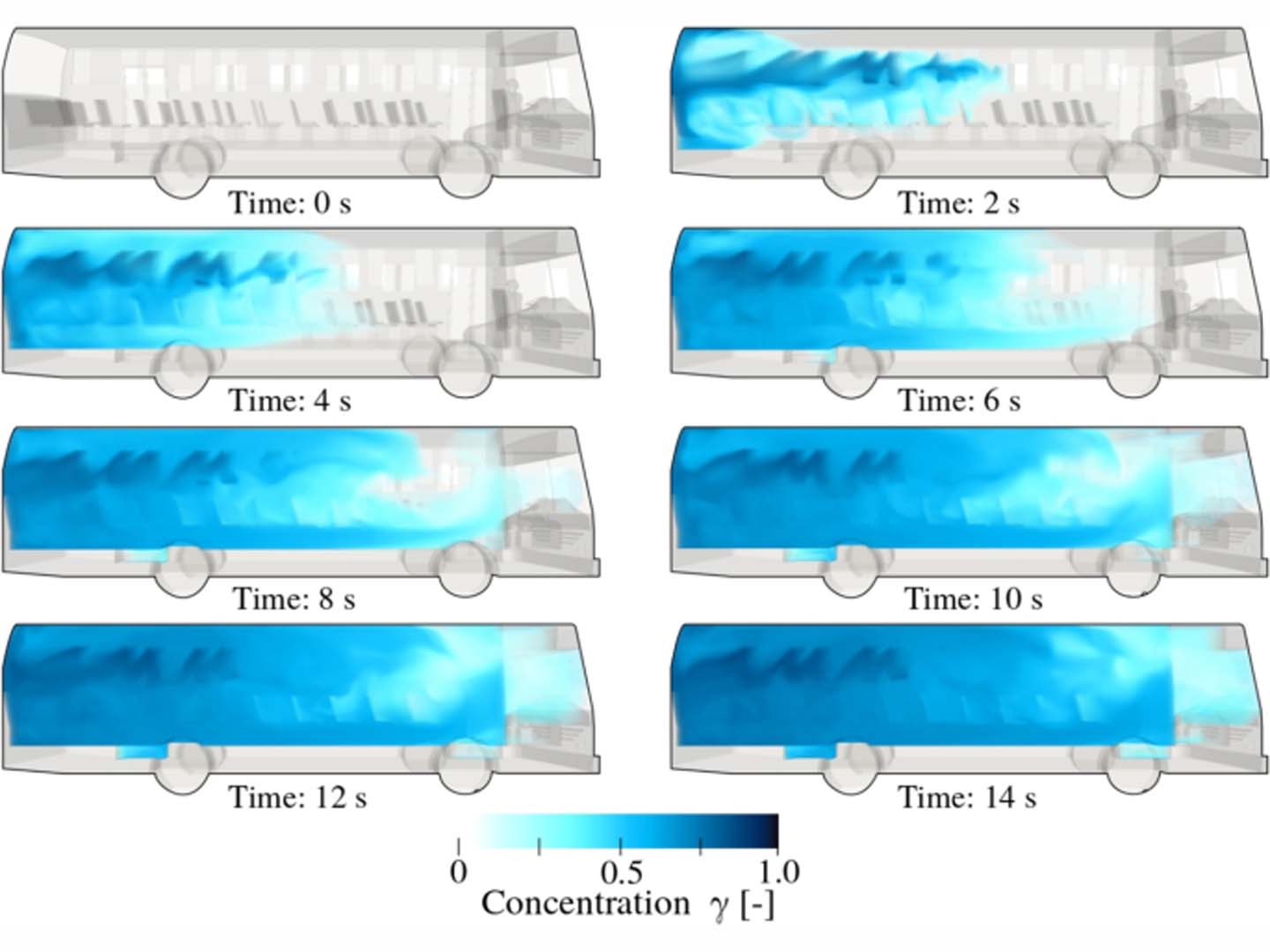
Dimension 2: Climate Adaptability Challenges – Can an Electric Bus Air Conditioning System Cope with Extreme Temperatures?
Question:
China has a vast territory with extreme temperature differences between north and south. How can an electric bus air conditioning system maintain high efficiency, reliability, and rapid response in both the extremely cold (-30℃) environment of Northeast China and the hot and humid (above 40℃) environment of Southern China, while ensuring the optimal operating temperature range of the battery pack?
Evidence:
Standards and Testing Requirements: According to the latest “Technical Conditions for Air Conditioning Systems of Electric Buses” issued by the State Administration for Market Regulation (National Standardization Management Committee) in 2024, the Carrier Bus Ac Systems must have effective heating capacity at -30℃ and maintain stable cooling cycle at 50℃, while passing a high salt spray corrosion test lasting up to 1000 hours.
Enterprise Solution: At the 2025 International Bus Exhibition, a technical director from Yutong Bus, a leading domestic bus manufacturer, introduced: “Our ‘Smart Control’ thermal management system integrates battery cooling, motor heat dissipation, cabin air conditioning, and waste heat recovery from the electronic control system, forming an integrated ‘heat source pool.’ In winter, the system can intelligently allocate waste heat generated by battery discharge to heat the cabin, significantly reducing the power consumption of PTC (electric heating).”
Conclusion: Modern electric bus air conditioning has evolved into a key actuator of the integrated vehicle thermal management system. It not only regulates the cabin climate but also must intelligently coordinate with the thermal status of the battery and electric drive system to ensure that all core components of the vehicle operate within their “comfort zone.” This is the cornerstone of ensuring the vehicle’s all-weather, all-terrain applicability.
Dimension 3: Policy and Standards-Driven—How Do Regulations Shape the Future of Electric Bus Acoustic System Technology?
Question:
Under the macro-background of the “dual-carbon” strategy and the priority development of public transportation, how do policies and industry standards guide and regulate the upgrading direction of electric bus air conditioning technology?
Evidence:
Latest Policy Guidance: Based on the pilot program requirements for the “Comprehensive Electrification Pilot Zone for Public Sector Vehicles” proposed by the Ministry of Transport at its first quarterly work conference in 2025, the document specifically emphasizes “prioritizing the procurement of vehicles equipped with intelligent energy-saving thermal management systems and using energy consumption per unit load mass (Ekg) as a core assessment indicator,” directly pushing air conditioning energy efficiency to become a hard threshold for vehicle access.
Subsidy and Assessment Linkage: Although the Ministry of Finance and the Ministry of Industry and Information Technology have cancelled purchase subsidies in their updated fiscal subsidy policy for the promotion and application of new energy vehicles in 2024, subsidies for the operational side are still linked to “unit energy consumption level.” The low operating power consumption brought by efficient air conditioning systems has become key for passenger transport companies to continue receiving financial support.
Conclusion: At the policy level, a dual-drive framework of “standard access + operational incentives” has been established, strongly compelling electric bus air conditioning technology to evolve towards ultra-low energy consumption, high integration, and intelligence from initial design to full-process operation.
Dimension Four: Intelligence and User Experience—How Does the Electric Bus Ac System Provide Personalized Comfort?
Question:
After basic temperature control needs are met, how can intelligent technologies be used to further improve energy efficiency and meet passengers’ growing demands for personalized and health-conscious travel experiences?
Evidence:
Technology Integration Trends: The article “The Next Big Thing: Intelligent Cabin Environments,” published in the 8th issue of the *2025 Intelligent Transportation Industry Weekly*, points out that based on in-vehicle visual sensors, infrared temperature measurement, and passenger mobile app reservations, intelligent air conditioning can achieve “precise zoned airflow,” “dynamic temperature adjustment based on passenger density,” and “remote pre-cooling and pre-heating before boarding,” improving the experience while avoiding energy waste.
Health Function Integration: Researcher Zhang Hong, an expert from the China Urban Public Transport Association, stated: “In the post-pandemic era, the ‘health quality’ of the public transport environment has become a new necessity. Intelligent air conditioning systems integrating high-efficiency antibacterial filters, ultraviolet germicidal lamps, and plasma air purification modules have moved from high-end optional features to standard requirements for many city bus procurements.”
Conclusion: The ultimate form of electric bus air conditioning is transforming from “energy-consuming equipment” and “temperature control equipment” to “intelligent environmental stewards.” Through data perception and algorithmic decision-making, it finds a dynamic optimal solution between extreme energy saving and ultimate comfort/health, ultimately serving a people-centered green public transportation experience.
In summary, the evolution of electric bus air conditioning systems is a comprehensive revolution centered on “energy efficiency,” encompassing technological engineering, policy standards, and user experience. It is not only the technological key for electric buses to overcome range limitations and achieve all-weather operation, but also a microcosm of public transportation’s implementation of a “dual-carbon” strategy and improved service quality. The successful system of the future will inevitably be a comprehensive thermal management solution that is highly energy efficient, suitable for all climates, deeply integrated, and highly intelligent, driving every electric bus steadily towards a green future of travel.