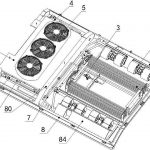
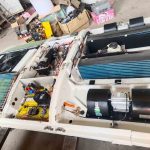
Electric Bus Air Conditioner uses an electric scroll compressor, controlled by a DC/AC inverter power supply module, achieving stepless frequency conversion start-up and intelligent adjustment. Its energy efficiency ratio (EER) reaches 3.0, significantly higher than the 2.0 of traditional gasoline-powered vehicle air conditioners.
Compared to traditional gasoline-powered Bus Air Conditioner, the Electric Bus Air Conditioner has zero emissions and lower noise, making it more suitable for urban environments.
When choosing an air conditioner, vehicle size, passenger capacity, and usage scenarios should be considered. Large bus air conditioners typically have a power output between 1000-5000 watts, while long-distance buses may require higher power to meet comfort needs.
During operation, the temperature, fan speed, and airflow direction can be adjusted via the control panel next to the driver’s seat. Pay attention to switching between internal and external circulation modes to optimize air quality.
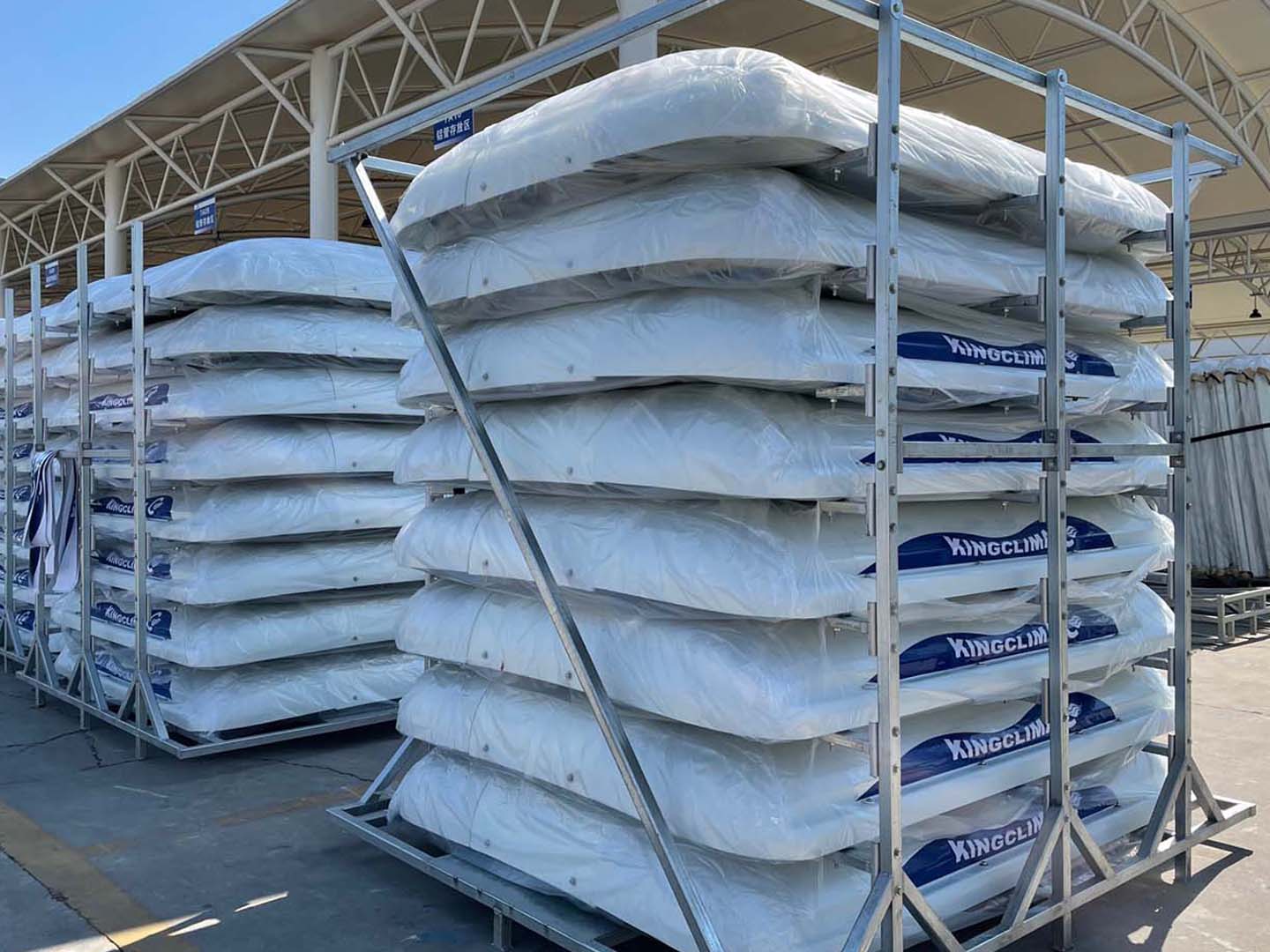
Maintenance of the electric bus air conditioner requires attention to three aspects: daily usage guidelines, regular maintenance, and inspection of key components.
Electric Bus Air Conditioner Daily Usage Guidelines
1. Turn on the air conditioner after starting the vehicle. Turn off the air conditioner system before turning off the engine. When turning it on again, wait for the countdown on the panel to finish to avoid system malfunction.
2. Cooling is recommended at 24-26℃, and heating at 20-22℃ to balance energy consumption and comfort.
3. Ensure the air conditioning vents are unobstructed. Regularly clean the return air grille filter to prevent reduced airflow.
Electric Bus Air Conditioner Regular Maintenance
1. Clean the return air grille filter with compressed air or a neutral detergent, let it dry, and then reinstall it.
2. Soak and clean the evaporator/condenser filter, then rinse it. Avoid direct high-pressure water jets onto the fins.
Electric Bus Air Conditioner System Check
1. Regularly check the refrigerant pressure. If bubbles appear in the sight glass, add refrigerant.
2. Check the compressor belt tension and for abnormal noises. If the compressor is low on oil, professional assistance is required.
Disconnect the vehicle’s power supply before cleaning to prevent water from entering the electrical system. If there is a refrigerant leak or abnormal pressure, always contact a professional. Do not attempt to operate the system yourself. Following these guidelines and regular maintenance will effectively extend the lifespan of the electric air conditioner and ensure cooling performance and driving safety. For any maintenance-related questions, please visit www.busclima.com or contact busclima@kingclima.com. Chinese manufacturers, leveraging their domestic bus manufacturing advantages, have risen rapidly, with SONGZ and BUSCLIMA being typical examples.