
Electric Bus Air Conditioner design concept revolves around high efficiency, energy saving, environmental protection, and improved passenger comfort, while also considering overall vehicle performance and actual operational needs.
Core Design Concepts
Energy Saving and Environmental Protection: Utilizing heat pump technology or electric compressors to replace traditional engine drives reduces energy consumption.
Optimizing compressor operating efficiency through variable frequency control reduces reliance on batteries.
Precise Temperature and Humidity Control: Equipped with components such as recirculating dampers and mixing dampers to achieve zoned temperature control and air distribution. Some systems integrate a fresh air function, continuously introducing and filtering fresh outside air.
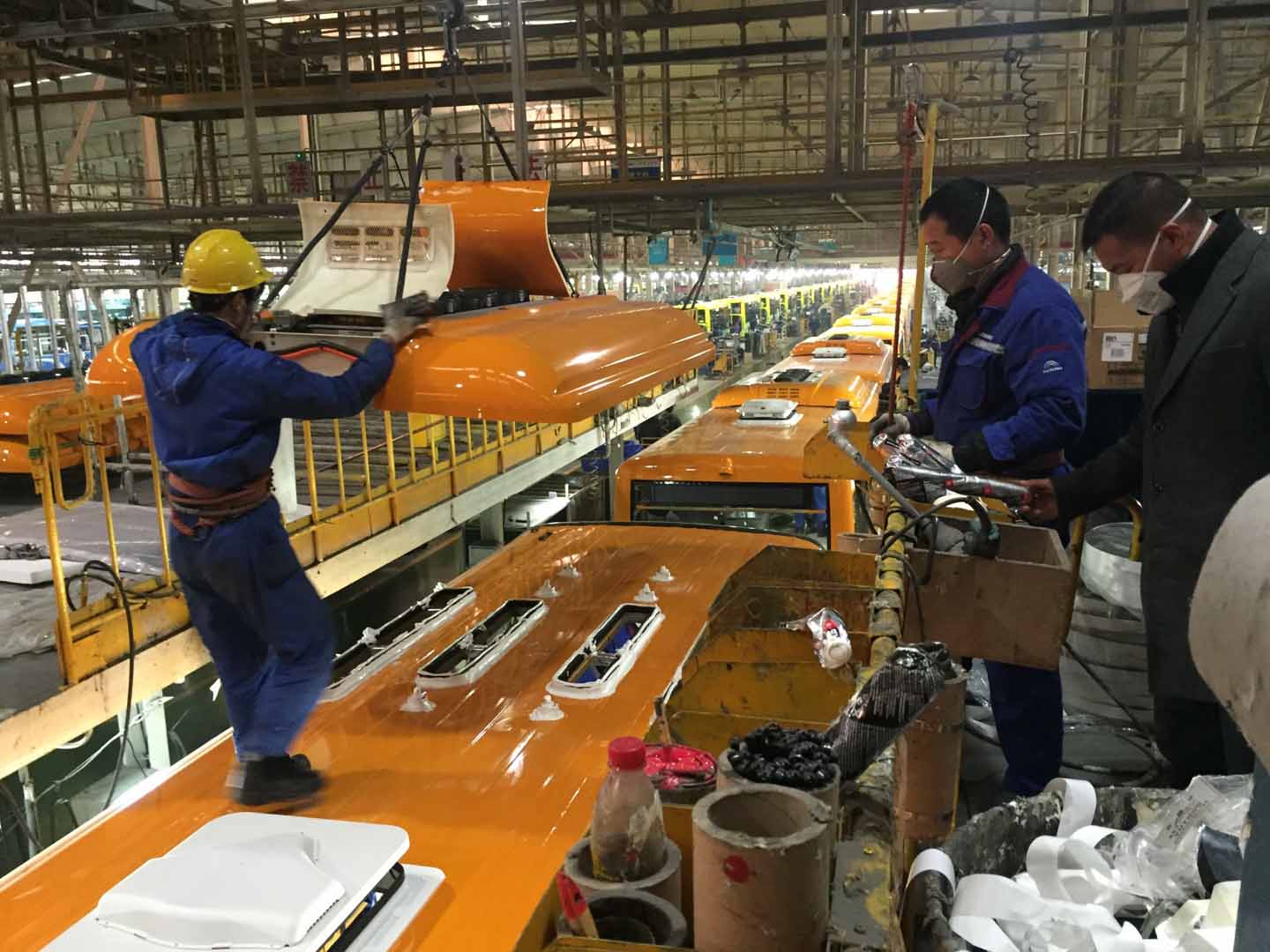
Adapting to Complex Operating Conditions: For bus operation scenarios (such as frequent starts and stops, high passenger capacity), Bus Rooftop Air Conditioner must balance rapid cooling/heating with low energy consumption. High-end systems may feature temperature and humidity linkage adjustment functions to enhance comfort during long journeys.
Technical Challenges and Optimization Directions
* Power Consumption: Air conditioning use in extreme weather conditions may reduce driving range, requiring upgrades to battery technology or optimization of thermal management to mitigate this.
* System Integration: System integration needs to be designed in conjunction with the vehicle’s powertrain and battery management systems to balance performance and cost. The Coefficient of Performance (COP) of an Electric Bus Air Conditioner varies depending on the technology and environmental conditions, as follows:
Traditional heat pump air conditioners: COP is generally between 2 and 4, meaning that consuming 1 kWh of electricity can transfer 2-4 times the amount of heat. Some advanced systems (such as CO₂ heat pumps) can achieve COPs of 5 or higher.
PTC heating solutions: COP is approximately 0.8, far lower than heat pump technology.
Low-temperature environment impact: Below -10℃, the efficiency of heat pump air conditioners decreases, but CO₂ heat pumps remain stable in extreme environments.
Energy efficiency rating reference: In China’s energy efficiency standards, a COP ≥ 3.4 is Level 1, 3.2-3.4 is Level 2, and so on.
Electric Bus Air Conditioners using high-efficiency heat pump technology can typically achieve a Level 1 energy efficiency rating.