
Air Conditioner for Bus Working Principle
Air Conditioner for Bus directly impacts passenger comfort and vehicle safety. However, a malfunction in the air conditioning system not only degrades the ride experience but can also pose safety risks due to high temperatures or equipment overload.
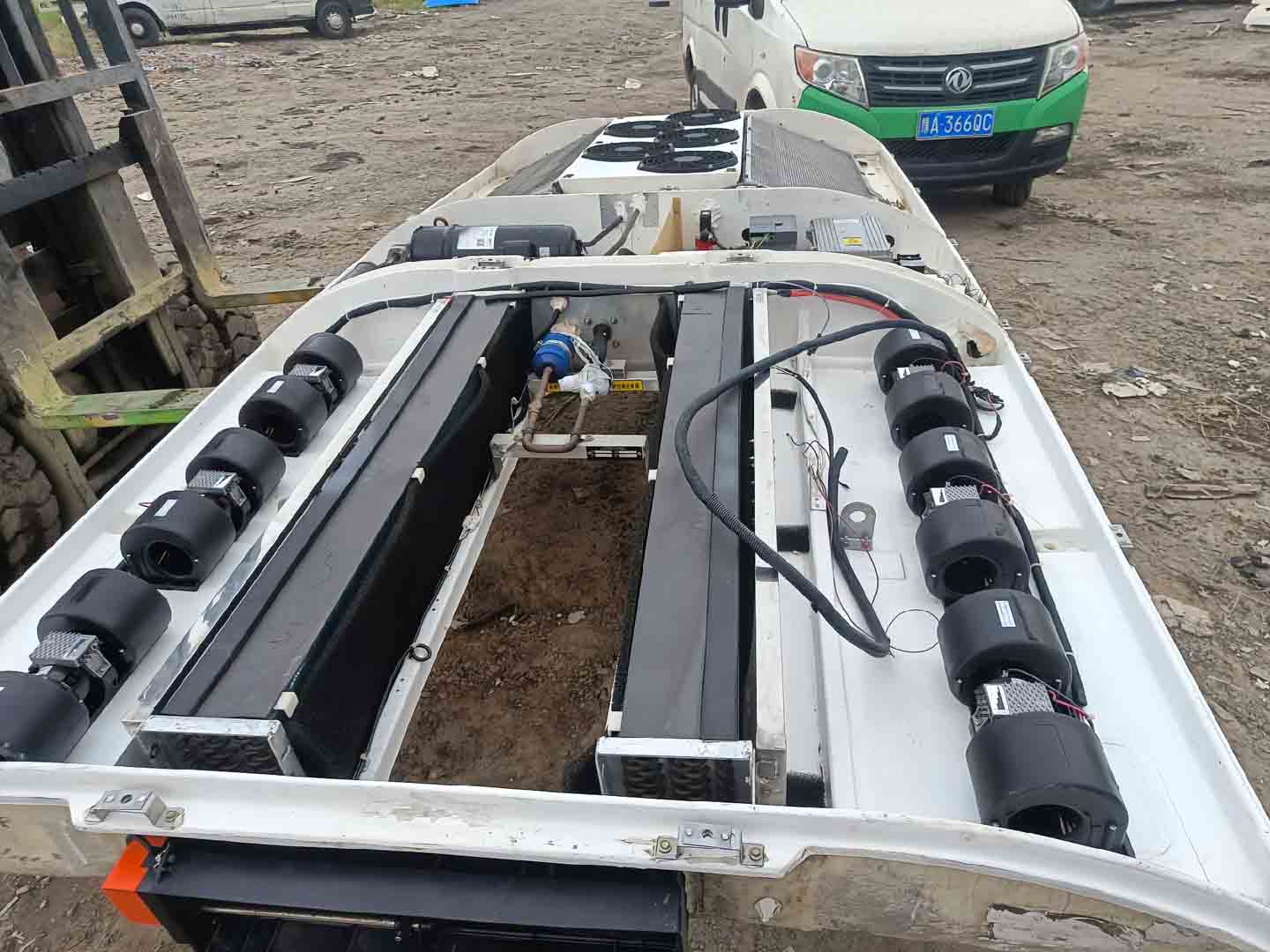
Main Components of an Air Conditioner for Bus
Compressor: A four-stroke piston mechanism. It primarily compresses low-pressure, low-temperature gas into high-pressure, high-temperature gas.
Condenser: Cools and dissipates heat, primarily converting high-pressure, high-temperature gas into high-pressure, medium-temperature liquid through cooling.
Reservoir/Dryer: Provides storage, filtration, and continuous flow.
Expansion Valve: Atomizes liquid. It passes high-pressure, medium-temperature liquid through fine pores and atomizes it into low-temperature gas.
Evaporator: Heat absorption. After the expansion valve atomizes the low-temperature, low-pressure gas, it enters the evaporator and absorbs heat.
Air Conditioner Fan: Blows air. Air passes through the blower through the air conditioning filter, converting natural air and the cooled evaporator into cold air, which is blown out of the air conditioning outlet.
Liquid Collector: Collects liquid to protect the compressor. Prevent the compressor from sucking in liquid and damaging the compressor piston connecting rod when it is working (liquid is incompressible).
Refrigerant: Refrigerant (134a)
High-pressure pipe: The pipeline between the compressor and the expansion valve. Indicated by “H” (commonly known as air conditioning high pressure)
Low-pressure pipe: The pipeline between the evaporator and the compressor. Indicated by “L” (commonly known as air conditioning low pressure)
Note: Some models do not have a liquid storage dryer or a liquid collector, and are usually only equipped with one of them. High-end models are equipped with two.
Classification of Air Conditioner For Bus
1. According to the driving mode, it is divided into: independent type (a dedicated engine drives the compressor, mostly used in large and medium-sized buses) and non-independent type (the air conditioning compressor is driven by the car engine, mostly used in small buses and cars).
2. According to the performance of the bus air conditioner, it is divided into: single-function type (the cooling, heating and ventilation systems are installed separately and operated separately, mostly used in large buses and trucks) and integrated cooling and heating type (cooling, heating and ventilation share the same blower and air duct, and are controlled on the same control panel, and cars mostly use hybrid temperature control type).
3. By control method, there are two types: manual (controlling temperature, air speed, and air direction by toggling the function keys on the control panel) and electro-pneumatic (using a vacuum control mechanism to automatically control temperature and air volume within a preset range when the air conditioning function key is selected).
4. By control method, there are two types: automatic (using a calculation and comparison circuit to control the operation of the adjustment mechanism based on sensor signals and pre-set signals, automatically adjusting temperature and air volume) and microcomputer-controlled fully automatic (using a microcomputer as the control center to achieve comprehensive, multi-functional control and adjustment of the vehicle’s air environment).
Working Principle of Air Conditioner for Bus
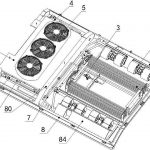
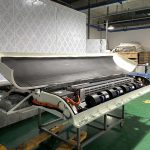
The automotive air conditioning refrigeration system consists of a compressor, condenser, receiver-dryer
 Spanish
  English
嗨,这是一条评论。
要开始审核、编辑及删除评论,请访问仪表盘的“评论”页面。
评论者头像来自Gravatar。