
12V Rv Air Conditioning Units
Against the backdrop of global efforts to address climate change and accelerate the green transformation of the transportation industry, buses, as the mainstay of public transportation, are seeing their energy-saving, efficient, and intelligent equipment levels become a focal point of industry competition. Among these, the onboard air conditioning system, a key component affecting passenger comfort and vehicle energy consumption, is undergoing a profound technological revolution. Traditional bus air conditioning systems mostly use 24V or higher voltage systems, but in recent years, multi-unit parallel bus air conditioning solutions based on a 12V voltage platform have emerged as a strong force, reshaping the market landscape with their unique technological approach and significant scenario advantages. This article will systematically analyze this innovative product, the 12V bus air conditioner, from four dimensions: technical parameters, usage scenarios, product advantages, and target customers. It will also analyze its development logic and future trends in conjunction with macro-industrial policies.
I. Decoding Technical Parameters: How Does a 12V System Achieve Efficient Cooling and Stable Power Supply? Reasons: The Inevitability and Challenges of Lowering the Voltage Platform
Traditional large commercial vehicles tend to use 24V or 48V electrical systems, primarily due to the demand for high-power equipment (such as starters and air conditioning compressors) in terms of starting current and operating power. However, with the rapid development of power electronics technology, high-efficiency permanent magnet motors, and intelligent control algorithms, achieving equal or even better performance at lower voltages has become possible. The core driving force behind the shift to a 12V platform stems from the urgent need to simplify vehicle electrical systems, achieve compatibility with passenger car component systems for cost reduction and efficiency improvement, and optimize energy management. But this brings a serious challenge: how to ensure sufficient drive power and operating efficiency for core components such as air conditioning compressors when the voltage is halved?

Process: Innovative Technology Path and System Architecture Integration
The solution for modern 12V bus air conditioning is not simply a matter of stepping down 24V equipment, but a complete redesign. Its core technology lies in:
High-efficiency variable frequency compressor and drive technology: The compressor is driven by an ultra-high-efficiency permanent magnet synchronous motor specifically optimized for the 12V platform. Advanced variable frequency control technology enables soft starting of the motor, significantly reducing starting current surges and solving the traditional problem of insufficient starting torque on low-voltage platforms. Simultaneously, variable frequency technology allows for stepless adjustment of compressor speed according to heat load, avoiding energy losses from frequent start-stop cycles.
Multi-unit parallel modular design: This is a hallmark feature distinguishing 12V bus air conditioning from traditional systems. The system consists of multiple independent 12V cooling modules connected in parallel. For example, a bus can have 3-4 independent air conditioning units installed, distributed across the roof. Each module has an independent compressor, evaporator, condenser, and control system. This design offers two fundamental advantages: first, it distributes total power demand across multiple parallel branches, keeping the current value of each branch within the electrical system’s safe range; second, it achieves true zoned precise temperature control and redundancy backup, ensuring system reliability even if a single module fails, the remaining modules can continue operating.
Intelligent energy management and heat exchange optimization: The system integrates an intelligent controller that communicates in real-time with the vehicle’s battery management system (BMS) and generator, dynamically coordinating air conditioning power with the overall vehicle electrical load. Furthermore, drawing on the technological expertise accumulated by companies like Hisense in extreme environment laboratories, the system employs a high-efficiency heat exchanger design and advanced refrigerant flow path control to ensure stable operation across a wide ambient temperature range of -30℃ to 55℃, achieving rapid cooling/heating response.
Result: Achieving a New Balance of Key Performance Parameters
Through the aforementioned technological innovations, the modern 12V bus air conditioning system has successfully achieved breakthroughs in key performance aspects: With an input voltage of 12V DC, a single cooling module can achieve a cooling capacity of 8-12kW; through multi-module combinations, the total cooling capacity easily covers the 30-45kW requirements of buses; the overall energy efficiency ratio (COP) can reach over 2.8, superior to many traditional fixed-frequency systems; operating noise is controlled below 55 decibels (perceived inside the vehicle), with some high-end models approaching laboratory-level quietness. The 12V system has thus evolved from a compromise solution into a technological choice with unique competitiveness in performance, efficiency, and reliability.
II. Focus on Usage Scenarios: Why Do Specific Markets Become Fertile Ground for Growth? Reasons: Market Demand Differentiation and Operating Cost Pressures
The global bus market is not monolithic; the demand for air conditioning systems varies greatly across different regions and for different purposes. In developed countries, fleet operators prioritize the lowest total lifecycle cost and the best passenger experience; in developing countries and emerging markets, initial purchase cost, system reliability, and adaptability to unstable power grids are primary considerations. Simultaneously, driven by global “green transportation” policies, both pure electric buses and high-efficiency hybrid buses are extremely sensitive to the energy consumption of auxiliary equipment.
Process: Precisely Addressing Pain Points in Specific Scenarios
The 12V multi-module air conditioning system, due to its technical characteristics, demonstrates irreplaceable advantages in the following scenarios:
Light and Medium-Duty Passenger Buses and Shuttle Buses: These vehicles are relatively small in size, but passenger flow fluctuates greatly. The multi-module 12V air conditioning system allows operators to flexibly activate some modules based on actual seating capacity and operating seasons, avoiding energy waste from over-engineering and significantly reducing operating costs. It is particularly suitable for routes such as scenic area shuttles, airport shuttles, and community micro-circulation.
Battery Electric Vehicles (BEVs) and Range-Extended Electric Vehicles (REEVs): For electric vehicles, air conditioning is the largest secondary energy consumer. The inverter technology and zone control capabilities of 12V multi-unit air conditioning systems enable more precise energy management, directly extending the vehicle’s driving range. Its modular design also facilitates integration and optimization with the distributed power management systems of electric vehicles.
High Reliability Requirements and High-Temperature, Arid Regions: The modular design provides inherent redundancy. For scenarios with extremely high requirements for continuous air conditioning operation, such as long-distance passenger transport and school buses, this system offers greater assurance. Simultaneously, its design draws on the technological concept of stable operation under extreme temperatures, similar to “desert air conditioning,” demonstrating stronger adaptability and durability in hot climates.
Retrofitting and Upgrade Market: Replacing the entire 24V air conditioning system of an existing vehicle with a 12V multi-unit system is complex and costly. However, for new vehicle manufacturing and standardized retrofitting of specific platforms (such as converting a gasoline vehicle to a pure electric vehicle), the 12V system shows greater convenience and economy due to its compatibility with the mainstream low-voltage component supply chain.
Result: Becoming a Crossroads of Emerging Markets and Technological Upgrades
Just as China’s foreign trade has gained new growth space by exploring emerging markets such as ASEAN, Latin America, and Africa, the 12V bus air conditioner has also successfully opened up its own incremental market by precisely matching the needs of these niche scenarios. It is not merely a replacement for traditional products, but also an adaptive product facing the future trends of electrification, intelligence, and refined operation. Guan Lixin, an expert from the Ministry of Commerce Research Institute, pointed out in analyzing new consumption patterns that new business models cultivate new demand through “deep penetration into lower-tier markets” and “creating new consumption scenarios.” This logic also applies to the commercial vehicle parts sector: the 12V air conditioner has created new growth points by entering previously neglected or technologically incompatible niche scenarios.
III. Product Advantage Analysis: Creating Composite Value Beyond “Refrigeration”
Reason: Evolution from Single Function to System Solutions
In the consumer sector, home appliances are transforming from “cold, bulky” appliances to “thoughtful, intelligent home appliances.” Similarly, commercial vehicle parts are evolving from providing single functions to providing comprehensive solutions and value experiences. Customers are not just buying a refrigeration unit, but a complete service encompassing operational efficiency, passenger satisfaction, and brand image.
The Process: Building a Multi-Layer Competitive Advantage System
The advantages of 12V multi-unit bus air conditioning are reflected in an interconnected value chain:
Economic Advantages Highlighted Throughout the Lifecycle:
Initial Costs: Benefiting from sharing some core components (such as power devices and control chips) with the vast 12V supply chain for passenger vehicles, its procurement and manufacturing costs have economies of scale.
Operating Costs: Variable frequency technology and on-demand cooling modes can reduce air conditioning energy consumption by 20%-35%, meaning fuel savings for gasoline vehicles and extended range for electric vehicles.
Maintenance Costs: Modular design allows maintenance and replacement to be performed on individual faulty modules without disassembling the entire system, saving labor time and spare parts costs.
Revolutionary Improvements in Reliability and Comfort:
System Redundancy: Multiple modules operate independently; a single fault does not affect overall operation, greatly improving system availability.
Precise Comfort: Supports front and rear zone temperature control and even finer-grained temperature control, meeting the personalized needs of passengers in different locations and improving service quality. Its quiet operation technology, achieving an ultra-quiet 16 decibels—a level unmatched by industry leaders—creates a more tranquil riding environment for passengers.
Easy Integration of Intelligent and Connected Systems:
Naturally aligned with the trend of vehicle intelligence. Each module can function as an independent intelligent node, easily connecting to the vehicle’s CAN bus or a higher-level Ethernet architecture. This enables intelligent connected functions such as remote pre-cooling/pre-heating, energy consumption data analysis, fault warning, and predictive maintenance, making it a crucial component in building a “smart cockpit” environment.
Result: Reshaping the Value Relationship Between Suppliers and Customers
These combined advantages have transformed the role of 12V bus air conditioning suppliers. They have evolved from component suppliers to “energy efficiency and comfort partners” for OEMs and operators. Chen Qingtai, Chairman of the China Electric Vehicle 100 Forum, pointed out that “AI-driven development will become the underlying competitiveness of future automotive companies.” For buses, an intelligent, efficient, and reliable air conditioning system is a key component in enhancing the vehicle’s underlying competitiveness and shaping a high-end brand image. It directly participates in the customer’s value creation process by reducing total cost of ownership (TCO) and improving user experience.
IV. Customer Profile: Who are the Adopters and Drivers of Technology?
Reasons: Changes in Decision-Making Logic Across the Industry Chain
The procurement decisions for bus air conditioning involve a diverse customer ecosystem, including vehicle manufacturers (OEMs), large fleet operators, public transportation management agencies, and modification plants. While their needs overlap, their focuses differ.
Results: Driving the Collaborative Evolution of the Industry Ecosystem
These customers are not passive recipients, but rather co-definers and drivers of technology. Their feedback drives the continuous iteration of 12V air conditioning technology. Just as Guangdong goods have evolved from OEM manufacturing to independent brands and cross-border investments, leading 12V air conditioning manufacturers are also shifting from providing products to providing standards, services, and brand value through deep partnerships with core customers. Fu Bingfeng, Executive Vice President of the China Association of Automobile Manufacturers, emphasized the crucial importance of building a “collaborative, orderly, standardized, and transparent industry ecosystem.” The widespread adoption of 12V bus air conditioning relies on this virtuous cycle formed among vehicle manufacturers, operators, suppliers, and even policymakers, jointly propelling commercial vehicles towards a greener, smarter, and more human-centered evolution.
Conclusion: Grasping the Incremental Future Amid Certain Trends
Looking back at China’s economy in 2025, new consumption is experiencing both quantitative and qualitative growth, unleashing new potential, while foreign trade is reaching new heights thanks to continuously improving product quality and strong resilience. This macro-level picture is precisely reflected in the micro-sector of 12V bus air conditioning. It’s not a groundbreaking technology, but rather a highly efficient and adaptable solution developed by the industry in response to multiple challenges related to energy, cost, and user experience, relying on continuous technological innovation and precise market insights.
Its rise reveals two certain trends: First, in the tide of electrification and intelligentization in transportation, optimization of every energy-consuming link will generate a huge cumulative effect; second, modular and configurable system architectures that meet diverse and refined scenario needs will become mainstream. Wang Jun, Deputy Director of the General Administration of Customs, pointed out that China’s foreign trade is characterized by “more robust innovative development, a stronger green development foundation, and a brighter win-win development nature.” This can also be used to describe the innovative direction of commercial vehicle components, exemplified by 12V multi-unit air conditioners. These components enhance development with smarter energy efficiency management, solidify environmental protection with greener energy consumption, and ultimately achieve a win-win situation for the entire industry chain by reducing costs and increasing efficiency for operators and creating comfort for passengers.
Looking ahead, with the deepening of the “AI + Consumption” initiative and the global emphasis on green trade, 12V bus air conditioners will be more deeply integrated with the vehicle’s intelligent cockpit and energy management system. They may even achieve predictive energy dispatching based on weather forecasts, passenger flow predictions, and grid load through AI algorithms. It has evolved from a specific product category into a vivid illustration of the systemic competitiveness enhancement of “Made in China” in the era of green transportation. For industry participants, seizing this window of opportunity for structural change means securing a favorable position in the commercial vehicle market landscape of the next decade.
Related posts:
 Motorhome Aircon 12V
 12 Volt Dc Rv Air Conditioner
 12 Volt Rv Air Conditioner
 Motorhome Roof Air Conditioner
 Best Rv Ac
 Motorhome Ac Unit
 Small Rv Air Conditioner
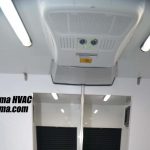 Best Rv Ac Unit
 Camper Air Conditioner 12V
 12 Volt RV Air Conditioning Units represent an energy and technological revolution
 Air Conditioning Units for Motorhomes: A Distributed Temperature Control System
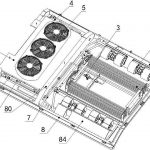 Bus Air Conditioner is used for buses and medium-sized commercial vehicles
 Camper Aircon Unit – Modular Design Leads to a New Comfortable Travel
 Modular Temperature Control Solution for Motorhomes
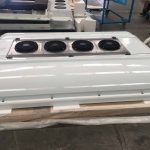 Acc Bus Air Conditioning
 Technical White Paper on Multi-Unit Roof AC for Campers and Buses
 12V Air Conditioner For Motorhome
 4 sets of Rooftop AC Units for Campers for a 15m bus
 Spanish
  English