
Bus air conditioning system directly affects passenger comfort and vehicle safety. However, a malfunction in the air conditioning system not only reduces the riding experience but may also cause safety hazards due to high temperatures or equipment overload. So, what are the causes of bus air conditioning malfunctions? This article will systematically analyze the root causes of malfunctions from three dimensions: electrical system, refrigeration cycle, and mechanical components, combined with real repair cases.
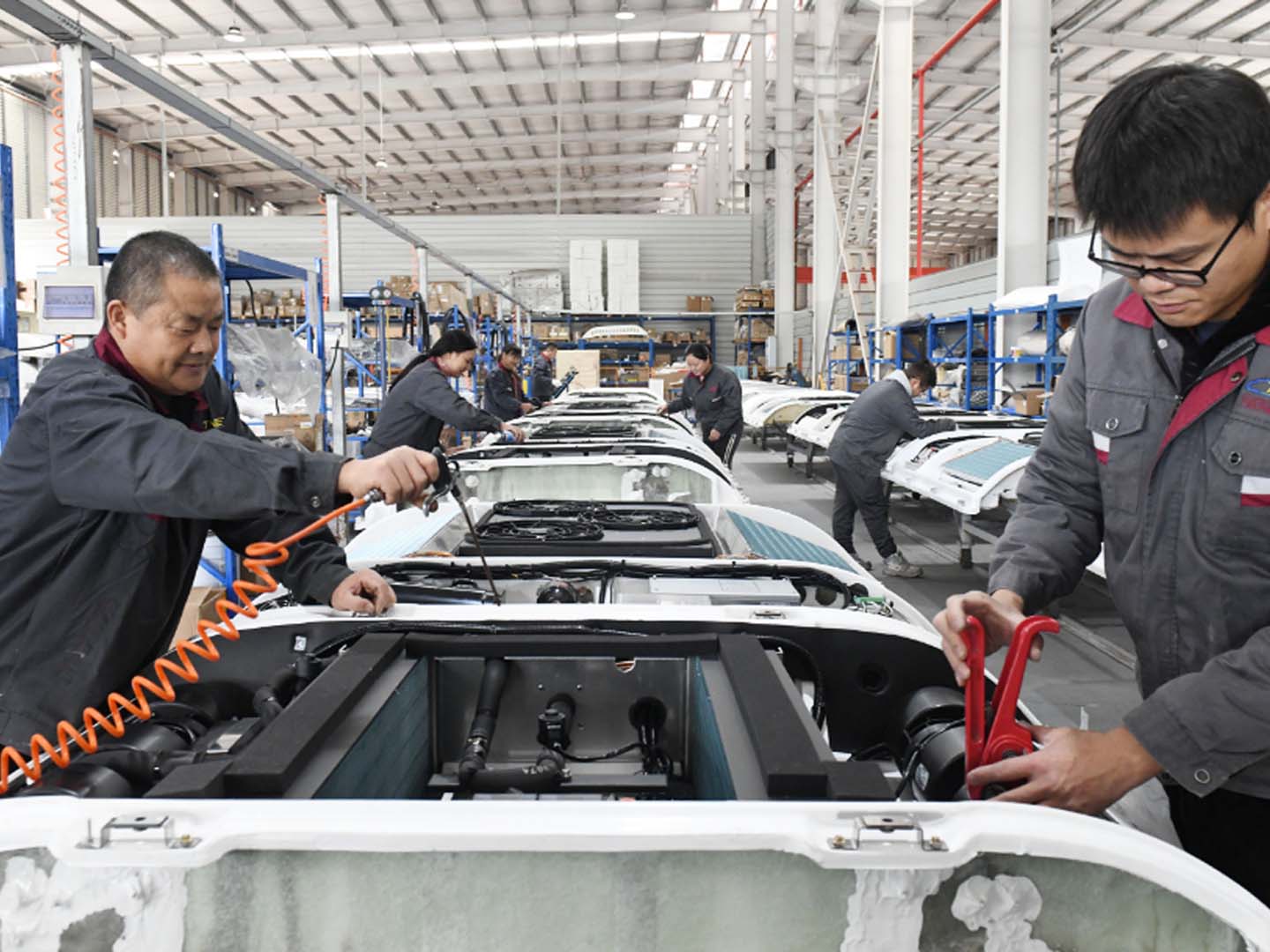
Electrical System Malfunctions: The “Hidden Killer” of Air Conditioning Short Circuits
Air conditioning short circuits are a common cause of sudden malfunctions in bus air conditioning systems. According to a repair record, a vehicle whose air conditioning suddenly stopped was found to have a short circuit caused by long-term wear and tear on the input wires. This problem is usually accompanied by a blown fuse or a tripped circuit breaker. Repair personnel need to focus on measuring the resistance value of the air conditioning input wires and using a multimeter to check for direct short circuits; at the same time, they need to check the insulation of the outdoor unit motor and compressor windings to determine if a grounding short circuit is caused by moisture or aging.
Furthermore, details such as capacitor swelling and relay contact burning on circuit boards are easily overlooked.
For example, in a bus air conditioner, the compressor’s starting capacitor capacity decreased, causing the motor to malfunction. While this type of problem doesn’t directly cause a short circuit, it increases the circuit load, eventually leading to a systemic failure. Therefore, regularly checking the circuit condition with an insulation resistance tester is crucial for preventing short circuit risks.
Abnormal Refrigeration Cycle: The “Butterfly Effect” of Refrigerant and Piping
Refrigerant leakage is one of the main causes of decreased cooling efficiency in the Air Conditioner For Bus. During a repair, technicians discovered abnormally low refrigerant pressure using a pressure gauge and, combined with an electronic leak detector, confirmed a tiny crack in the evaporator solder joint. Initially, this type of leak may only manifest as insufficient cooling, but prolonged operation will cause the compressor to frequently shut down due to low-pressure protection, eventually leading to mechanical damage.
Pipe blockage is also a problem in the refrigeration cycle.
For example, the dryer filter may become clogged with impurities, or dust may accumulate on the evaporator fins, affecting heat exchange efficiency. A long-distance bus company experienced frequent air conditioning system shutdowns due to failure to clean the air conditioning filters in a timely manner, causing the system to trigger high-pressure protection. During repairs, it was discovered that the condenser surface was covered with a large amount of willow catkins and insect remains. After cleaning, the system returned to normal operation. Therefore, it is recommended to perform pressure testing and cleaning maintenance on the piping every quarter to avoid the risk of blockage.
Mechanical Component Wear: The “Fatigue Battle” of the Compressor and Fan
As the core power source of the air conditioning system, the wear and tear on the compressor cannot be ignored. During one repair, a bus air conditioner experienced abnormal operating noise due to worn compressor bearings. Increased vibration eventually led to the breakage of internal parts. Inspection revealed that the compressor lubricating oil had lost its lubricating effect due to long-term high-temperature oxidation, exacerbating mechanical wear. Such problems can be prevented by regularly changing the lubricating oil and checking the bearing clearance.
Aging of the fan motor and belt also affects system stability.
For example, in one vehicle, a loose fan belt caused a decrease in fan speed, reducing condenser cooling efficiency and ultimately triggering compressor overload protection. During repairs, adjusting the belt tension and replacing the aging motor restored normal system operation. It is worth noting that the wear of mechanical parts is often gradual, and routine inspections should focus on warning signals such as abnormal noises, vibrations, and abnormal temperatures.
 Spanish
  English