
MTC MAN Bus Ac System integrated design embodies a high degree of engineering integration, achieving high efficiency, reliability, and intelligent comfort.
MTC MAN does not treat air conditioning as an aftermarket, independent system, but rather as a key system deeply integrated from the initial stages of vehicle design. Its design goal is to ensure seamless collaboration between the air conditioning system and the vehicle’s powertrain, thermal management system, electrical architecture, and body structure, achieving optimal overall performance.
1. Deep Integration with Powertrain and Thermal Management System
The compressor is typically driven by both the engine crankshaft (via an electromagnetic clutch) and a separate electric motor. Under high engine loads (such as when climbing hills), the electric drive can assist or completely take over, ensuring no reduction in cooling efficiency; when idling or parked at night, it can operate purely on electric power, saving fuel, reducing noise, and emissions.
The air conditioning control unit communicates with the engine ECU in real time. When maximum power is needed (such as when overtaking), the ECU instantly instructs the air conditioning compressor to temporarily unload, using all power to drive the wheels, and immediately resumes operation afterward, with the entire process being virtually imperceptible to the occupants.
2. Integration with Electrical and Network Architecture
The MTC MAN Bus Ac System is an intelligent node on the vehicle’s CAN bus network. It receives data from various sensors (interior/exterior temperature, sunlight intensity, humidity), engine data, door opening/closing signals, etc., enabling fully automatic and intelligent control.
The driver can easily set up and monitor the entire system via the central display screen in the cockpit or a dedicated control panel. Fault codes are directly stored in the vehicle’s diagnostic system, facilitating quick problem location by maintenance personnel.
BUSCLIMA states that this highly integrated design ultimately brings users lower overall operating costs, more reliable operational performance, and an impeccable riding experience, which is one of the core competitive advantages of Algeria’s MTC MAN as a top bus manufacturer. For more design information and guidelines, please visit www.busclima.com or contact busclima@kingclima.com for further details.
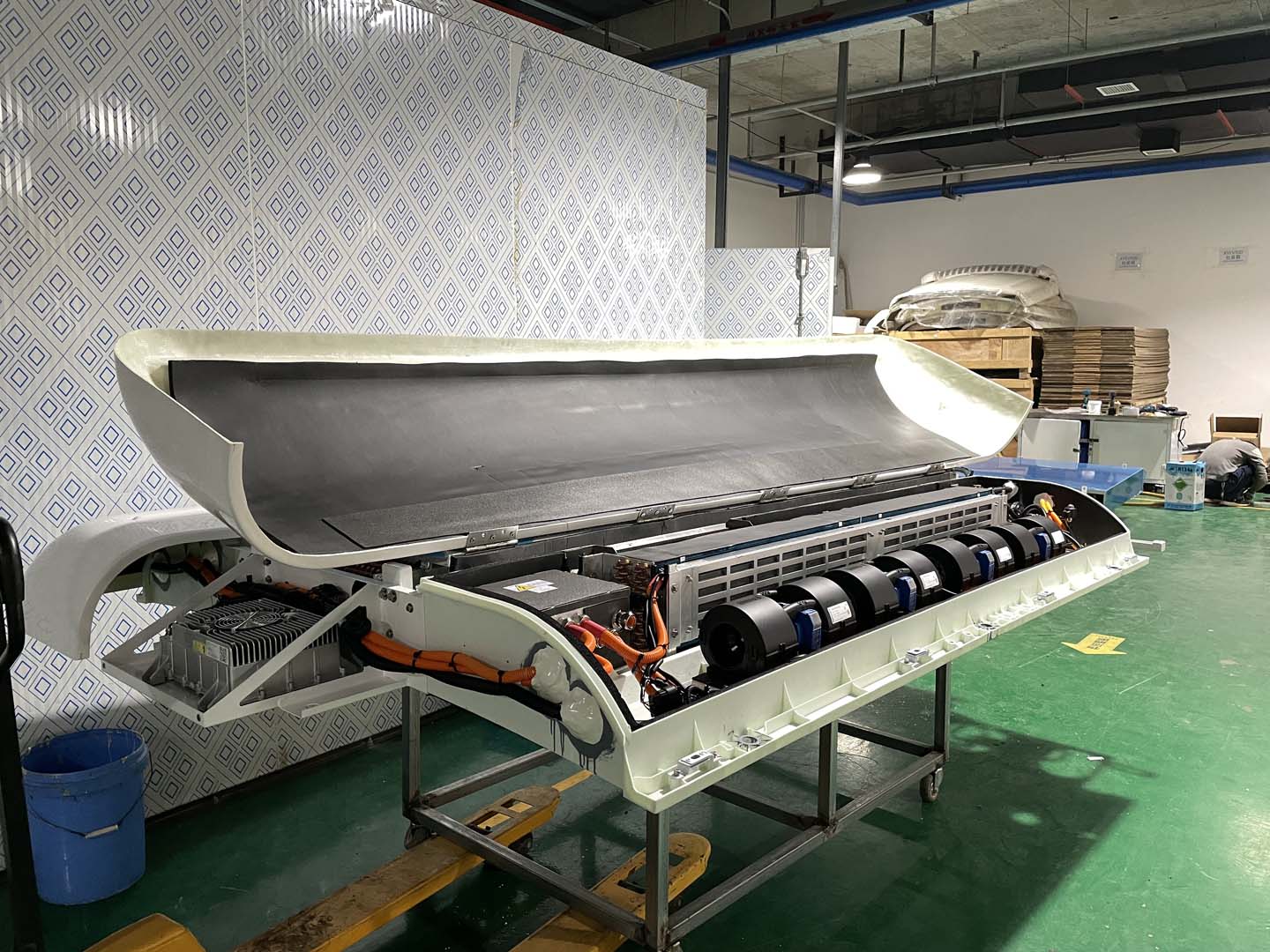
3. Physical Integration with the Vehicle Body Structure
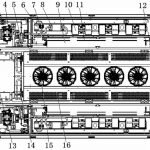
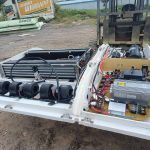
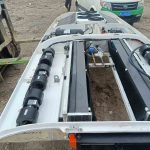
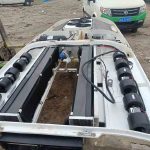
Bus Ac Unit is designed to be as low and streamlined as possible to reduce air resistance, noise, and fuel consumption. Its modular internal structure allows for easy maintenance and replacement of components such as the evaporator, fan, ductwork, and filters.
The layout of the air ducts and vents is designed using computer fluid dynamics simulation to ensure minimal temperature differences between the front and rear, and between the top and bottom of the vehicle, avoiding direct airflow onto passengers and achieving a seamless, uniform airflow.
Luxury buses typically implement multi-zone independent temperature control. The passenger compartment is divided into driver’s area, front passenger area, and rear passenger area, each with independently adjustable temperature and airflow to meet the needs of different passengers.
4. Integration of Humanization and Comfort
Before departure, the driver can remotely or via timer to pre-activate the air conditioning to achieve a comfortable temperature inside the vehicle.
Once the target temperature is set, the system automatically adjusts the compressor displacement, fan speed, and damper angle to maintain the temperature in the most energy-efficient way.
It integrates a high-efficiency particulate filter (to combat PM2.5) and an activated carbon filter (to absorb odors), and can be equipped with an air quality sensor to automatically switch between internal and external air circulation to keep the air inside the vehicle fresh.
Related posts:
 MTC MAN Bus Air Conditioner
 MTC MAN Coaches Hvac features a rooftop design
 Bus Air Conditioner is used for buses and medium-sized commercial vehicles
 MTC MAN Bus Air Con Design
 Introduction to Ac For Bus
 MTC MAN Ac For Buses Installation Process
 Bus Con Supplier reminds all bus owners to clean BUS AC
 MTC MAN Bus Ac Design
 Bus Aircon Manufacturer
 Bus Aircon Issues and Solutions
 Thermo King Bus Ac Unit
 How Air Conditioner For Bus Works
 Bus Air Conditioning Maintenance
 Bus Air Conditioning Supplier explains why Bus AC has poor cooling performance
 Air Conditioner For Bus
 Spanish
  English