
Morhome air conditioning matching with minibus manufacturers primarily occurs in the conversion of Class B and Class C motorhomes (especially low-profile Class C motorhomes). Its compatibility is mainly based on two core principles: chassis compatibility and market demand.
Below is a list of minibus manufacturers with high compatibility with mainstream Motorhome Air Conditioning brands (such as Dometic, Furrion, Truma, etc.), along with an analysis of key matching reasons.

Motorhome Air Conditioning Core Matching Principles:
1. Whether it is a monocoque chassis, the flatness and strength of the roof, and the interior headroom.
2. Whether the motorhome converted from this chassis is targeted at the mid-to-high-end market, and whether customers are willing to pay for top-tier comfort features.
3. Whether the chassis has a broad base of modification experience in the global motorhome market, thus fostering mature supporting solutions (including mounting brackets, wiring harness kits, etc.).
I. Motorhome Air Conditioning High-Compatibility Minibus Manufacturers (Global Mainstream RV Chassis)
These are “star chassis” in the RV conversion industry, boasting the most mature Air Conditioner For Rv modification solutions and market recognition.
Mercedes-Benz
Models: Sprinter, Vito, and the latest eSprinter.
1. The global gold standard for RV conversion, with the most comprehensive range of third-party parts and installation solutions.
2. Flat and high-strength roof, an excellent platform for installing low-profile rooftop air conditioners or ultra-thin inverter air conditioners.
3. High-end brand image consistent with the positioning of high-end air conditioning brands such as Dometic and Furrion.
4. Both the B-type (Sprinter) and the C-type based on this chassis represent the core market for top-tier air conditioning systems.
Fiat Professional / Iveco
Models: Ducato (Europe’s best-selling RV chassis), Daily.
1. The absolute leader in the European RV market, with chassis specifically optimized for RVs (e.g., low floor, wide wheelbase).
2. The roof structure is reinforced, and the pre-installed installation points and wiring harness channels for air conditioning are very well-established.
Ford Models: Transit, Transit Custom.
1. Competes with the Mercedes-Benz Sprinter in the North American and European markets, with a huge market share.
2. American RV style favors high-powered, high-capacity air conditioning (e.g., 15,000 BTU and above), requiring high-performance air conditioning.
3. The roof design is suitable for installing mainstream-sized roof-mounted air conditioning units.
Volkswagen Models: Crafter, Transporter.
1. The Crafter shares a platform with the Mercedes-Benz Sprinter, and all parts and installation solutions are almost universal.
2. The Transporter (including the California campervan) is a hallmark of the high-end campervan market. Its modified versions have a strong demand for quiet, efficient, and highly integrated air conditioning systems, making it an important market for under-floor air conditioning systems like the Truma Aventa or high-end roof-mounted systems.
II. Motorhome Air Conditioning Potential Matching with Bus Manufacturers (Mainstream and Emerging Markets)
These chassis have significant potential in specific markets (especially China) and are key targets for Motorhome Air Conditioning brand development and adaptation.
MAXUS
Models: V90, V80, V70, Explorer T90, etc. (Original factory motorhomes).
1. The fastest-growing chassis brand in the Chinese motorhome market, with a high market share.
2. Owns numerous Class B motorhome conversion plants with strong demand for high-quality, highly adaptable air conditioning systems.
3. One of the core chassis that international brands must adapt and certify when entering the Chinese market.
Ford JMC
Models: New Generation Transit (Domestic Ford Transit).
1. Long history in the Chinese Class B motorhome conversion market, stable chassis, and mature conversion solutions.
2. Wide user base with clear requirements for air conditioning reliability and cooling performance.
IVECO (China Version)
Model: Daily (China Version)
1. The Daily (China Version) chassis is a mainstay for mid-to-high-end Class C motorhomes and low-profile Class C motorhomes in China.
2. Its monocoque chassis and robust structure are ideal for installing high-power, heavy roof-mounted air conditioners or complex under-floor air conditioning systems.
3. It is an ideal platform for showcasing high-end air conditioning features such as “high power, low noise, and zone control.”
Toyota & Nissan
Model: Toyota Hiace, Nissan NV350, etc. (mainly in the Japanese, Southeast Asian, and Australian markets).
1. It is an important campervan conversion chassis in the Asia-Pacific region.
2. Due to limitations in vehicle size and power grid, there are special requirements for ultra-compact, low-power motorhome air conditioners.
III. Key Technical Work Done by Motorhome Air Conditioning for Matching Matching air conditioning brands with these motorhome manufacturers is not a simple matter of selling; it involves in-depth cooperation.
1. Developing dedicated mounting brackets, vibration damping pads, roof sealing strips, and interior trim covers for each mainstream chassis.
2. Ensure the air conditioner’s power requirements (current, voltage) match the chassis’s generator and battery, and develop plug-and-play wiring harness adapters.
3. Conduct cooling/heating performance, noise, and energy consumption tests on specific vehicle models under extreme environments (high temperature, high humidity, high altitude), and obtain relevant certifications.
4. Establish partnerships with renowned RV conversion companies or original equipment manufacturer (OEM) RV departments, becoming part of their “recommended configuration” or “standard configuration.”
Related posts:
 Motorhome Ac is suitable for minibus/medium bus conversion plants
 Aircon Campers Compatible with Minibus Chassis
 Ac Unit For RV Camper: Air Conditioning System for Minibuses and Motorhomes
 Fixing RV Ac is compatible with Southeast Asian minibus chassis
 Ac In Camper for Minibus to Motorhome Conversion
 RV Air Conditioning Units to bus manufacturers in North Africa
 Ac On RV for Minibus Caravan Conversion
 Installing an RV Air Conditioner on a Minibus
 Air Conditioning for Motorhomes Manufacturing Process
 Ac For Camper and Mini Bus Ac Installation Steps
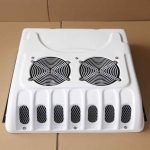 Air Conditioning Units for RV and Minibus Air Conditioner
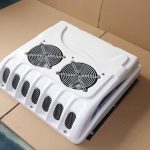 Air Conditioner for RV Installation Steps
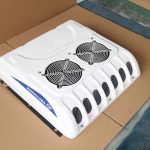 Ac For RV Camper Market Analysis Report
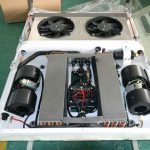 Air Conditioning Units for Campers Installation Process
 Similarities between RV Camper Air Conditioner and Minibus AC
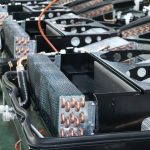 Camper Air Conditioner
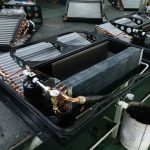 Camper Ac
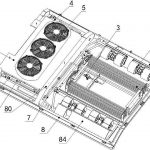 Bus Air Conditioner is used for buses and medium-sized commercial vehicles
 Spanish
  English