
Bus Ac engineers say that bus air conditioning plays a vital role in providing passengers with a comfortable and pleasant travel experience, especially during the hot summer months.
As a bus operator or enthusiast, understanding the functions, benefits, and considerations of bus air conditioning is essential for making informed fleet decisions. In this guide, we’ll explore various aspects of bus air conditioning, including its advantages, key considerations, maintenance tips, and more.
Engineers are contacting busclima@kingclima.com for bus air conditioner suppliers in China to obtain the best service and solutions.
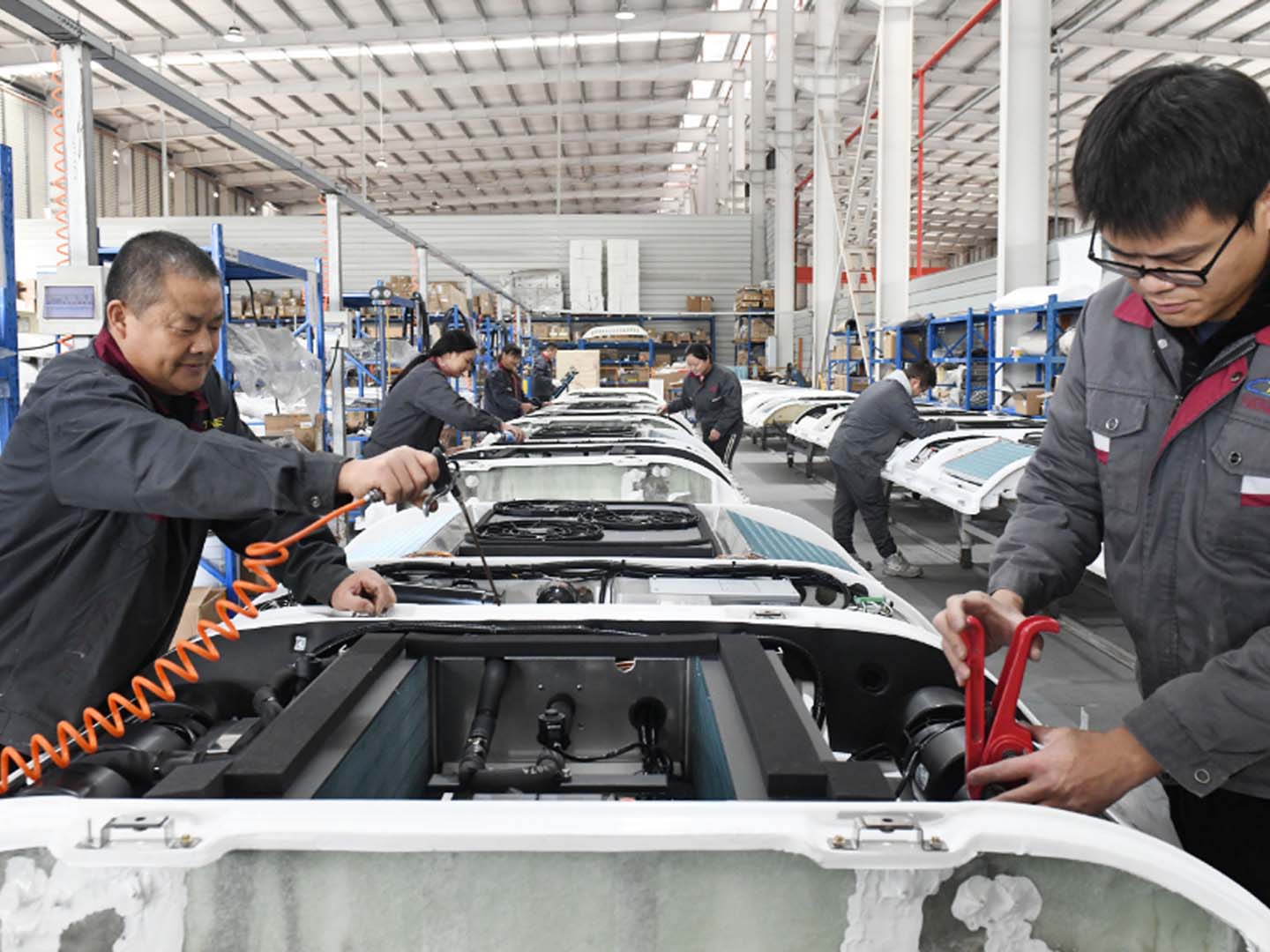
The Ultimate Guide to Bus Air Conditioning: Advantages and Considerations
1. Advantages of Bus Ac (HVAC)
Bus air conditioning offers a range of advantages that enhance the passenger experience, improve safety, and provide operators with a competitive edge. Some key advantages include:
Passenger Comfort: The air conditioning system maintains a comfortable temperature inside the vehicle, ensuring passenger comfort even in extreme weather conditions.
Health and Safety: A properly functioning Carrier Bus Ac helps regulate air quality, reduces the risk of heat-related illnesses, and creates a healthier environment for passengers.
Increased Productivity: A comfortable and cool environment can improve driver focus and concentration, thereby increasing productivity and enhancing driving safety.
Competitive Advantage: Offering air-conditioned buses can give your fleet a competitive edge, attracting more passengers and increasing customer satisfaction.
2. Considerations for Choosing a Bus AC
When selecting a bus air conditioning system, consider the following factors to ensure optimal performance and meet your specific needs. These factors include:
Cooling Capacity: Determine the appropriate cooling capacity based on your bus size and expected passenger volume.
Energy Efficiency: Choose an energy-efficient model to minimize fuel consumption and operating costs.
Installation Flexibility: Consider available installation space, whether roof-mounted, floor-mounted, or integrated into the dashboard.
Noise and Vibration Levels: Choose a system with low noise and low vibration levels to create a quiet and comfortable environment for passengers.
Ease of Maintenance and Repair: Evaluate the ease of maintenance, spare parts availability, and accessibility for repairs to minimize downtime and ensure smooth operation.
 Spanish
  English