
Bus aircon is crucial for passenger comfort and directly impact operational efficiency and equipment lifespan.
Especially during hot seasons or long-distance transport, air conditioning malfunctions can lead to passenger complaints, safety hazards, and even equipment damage. This article will delve into the problems and solutions related to bus air conditioning maintenance, providing systematic solutions from mechanical components to routine maintenance.
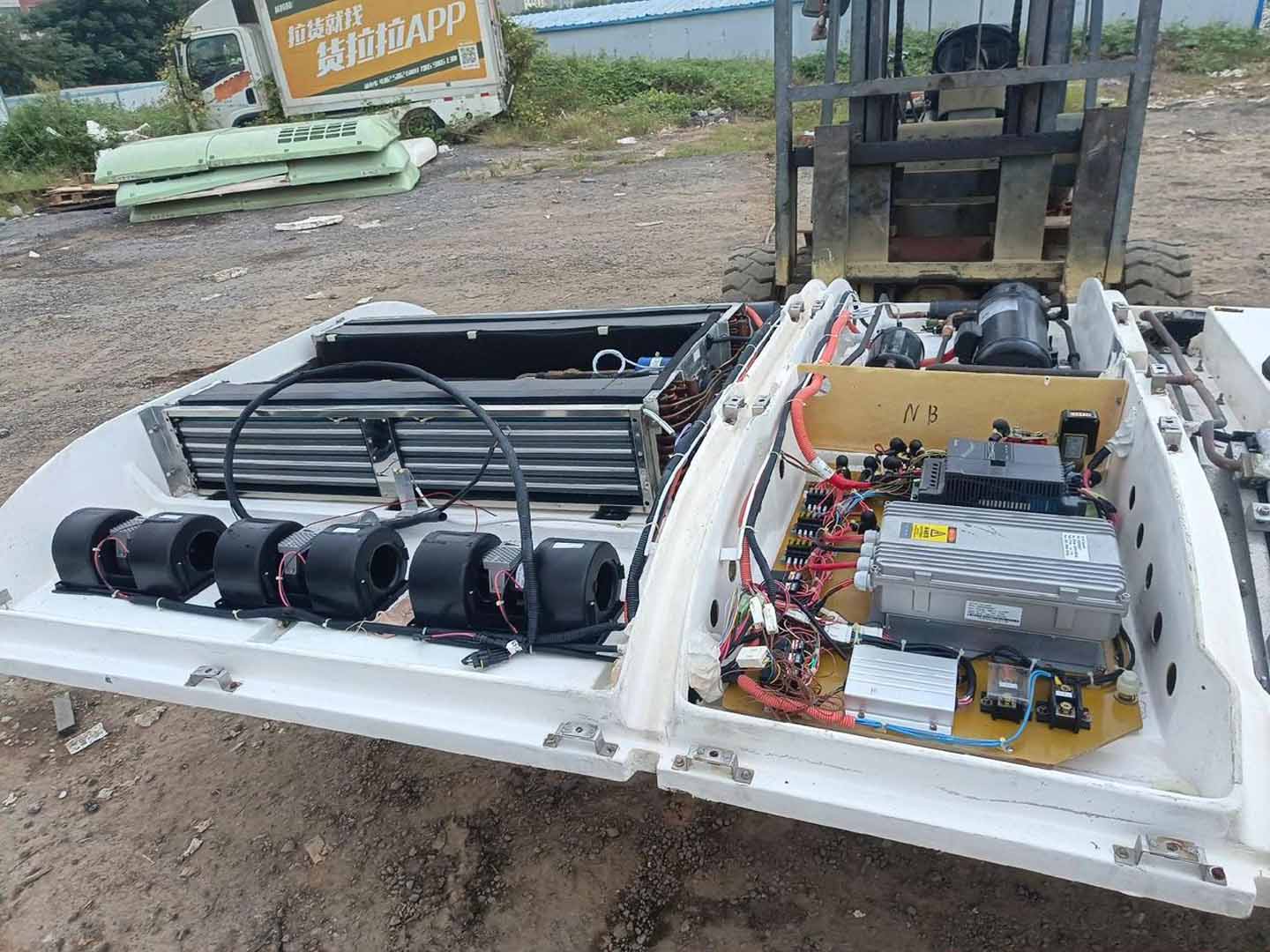
How do mechanical component failures affect bus air conditioning performance?
Core components of the bus air conditioning system, such as the compressor, multi-ribbed belt, and condenser, will directly lead to reduced cooling efficiency or even complete failure if they malfunction. Compressor failure is a frequent issue; internal wear or motor damage can hinder refrigerant circulation, requiring professional inspection to determine if replacement is necessary. Loose or overly tight multi-ribbed belts are also significant: loose belts cannot effectively transmit power, causing the compressor to malfunction; overly tight belts may break or accelerate bearing wear, requiring tension adjustment. Furthermore, dust accumulation on the condenser fins reduces heat exchange efficiency; it is recommended to clean them with a high-pressure water gun and then dry them to avoid secondary contamination.
Refrigerant leakage is another hidden culprit. If you notice a sudden drop in temperature at the bus air conditioning vents, check the pipes, evaporator, and other parts for oil stains (indicating a refrigerant leak). Have a professional technician top up the refrigerant. It’s important to note that more refrigerant is not necessarily better; excessive refrigerant can increase system pressure and accelerate component aging.
Bus Aircon Routine Maintenance: Many bus drivers and maintenance personnel have limited knowledge about air conditioning maintenance. For example, neglecting to clean the air conditioning filter can lead to dust accumulation and blockage of airflow. It is recommended to replace the filter every 12 months and clean it with reverse high-pressure air after sun exposure to prevent particles from penetrating the evaporator and causing mold growth. Turning on the air conditioning immediately after sun exposure is another common mistake: a sudden drop in temperature inside the vehicle can cause a sudden increase in compressor load. It is recommended to first turn on the fan to expel hot air, and then gradually increase the cooling setting.
Furthermore, neglecting mode settings can also cause malfunctions. Some drivers do not set the air conditioning mode to “cooling” or set the temperature higher than the room temperature, causing the system to operate ineffectively. Regularly check the remote control or control panel settings to ensure that the parameters match actual needs. For long-distance transport vehicles, it is recommended to periodically stop in shady areas during the journey to avoid prolonged high temperatures that accelerate wear and tear on the engine and air conditioning system.
How do environmental factors exacerbate the burden on bus air conditioning?
Buses are exposed to the outdoors for extended periods, and the negative impact of the environment on the air conditioning system should not be underestimated. High temperatures and direct sunlight accelerate the aging of rubber seals, increasing the risk of refrigerant leaks; high humidity environments easily lead to condensation in the evaporator, fostering bacterial growth and affecting cooling efficiency. It is recommended to choose a garage or shady location when stopping, and close the doors for 10 minutes before starting the air conditioning to allow hot air to dissipate naturally.
Road dust and industrial pollution are also hidden threats. If the condenser fins have accumulated particulate matter for a long time, use a special cleaning agent to soften the dirt before rinsing, avoiding scratching or damaging the metal fins with hard objects. For vehicles frequently traveling in coastal or industrial areas, it is recommended to increase the frequency of deep cleaning to once per quarter.
How to build a long-term maintenance system to ensure air conditioning reliability?
Bus air conditioning maintenance cannot rely solely on reactive measures; a preventative maintenance system must be established. First, develop a detailed maintenance plan, including monthly checks of the multi-ribbed belt tension, quarterly condenser cleaning, and annual filter replacement. Second, train drivers in basic fault identification skills, such as audibly identifying compressor noises and observing changes in air outlet temperature. Finally, establish long-term partnerships with professional repair organizations to ensure timely response to complex faults (such as pipe blockages or compressor replacement).
Regarding maintenance cost control, prioritize addressing high-frequency, low-cost issues. For example, a loose multi-ribbed belt can be resolved by adjusting the tensioner, costing only a few tens of yuan; however, delayed treatment of pipe blockages may lead to condenser replacement, resulting in costs tens of times higher. Regular inspections and data recording can accurately pinpoint high-risk areas for faults, optimizing maintenance investment.
What are the problems and solutions for bus air conditioning? From mechanical components to environmental factors, from routine maintenance to professional repairs, every aspect requires systematic planning. Scientific maintenance reduces the failure rate, not only improving passenger satisfaction but also extending equipment lifespan and reducing operating costs. Remember: a healthy air conditioning system is the silent guardian of efficient bus operation.
 Spanish
  English