
Camper Rooftop Air Conditioning Units
Camper rooftop air conditioning units, as multiple modular units, are becoming the technological benchmark for high-end and medium-to-large RVs due to their exceptional flexibility, energy efficiency, and reliability.
With the popularization of the global nomadic lifestyle and the continuous growth of the domestic self-driving travel market, RVs have evolved from simple means of transportation into “mobile homes” that integrate living and leisure.
In this evolution, the core comfort guarantee—the in-vehicle environment control system—is undergoing a profound transformation from single devices to integrated, systematic solutions.
Faced with the practical challenges of compact interior space, clearly defined functional zones, and limited energy supply in RVs, traditional single rooftop air conditioners can no longer meet the full range of comfort needs.
According to market research, against the backdrop of the rise of the outdoor leisure economy and frequent extreme weather events, the global RV air conditioning market is continuously growing, and technological innovation and system integration capabilities are the core competitive barriers for leading companies.
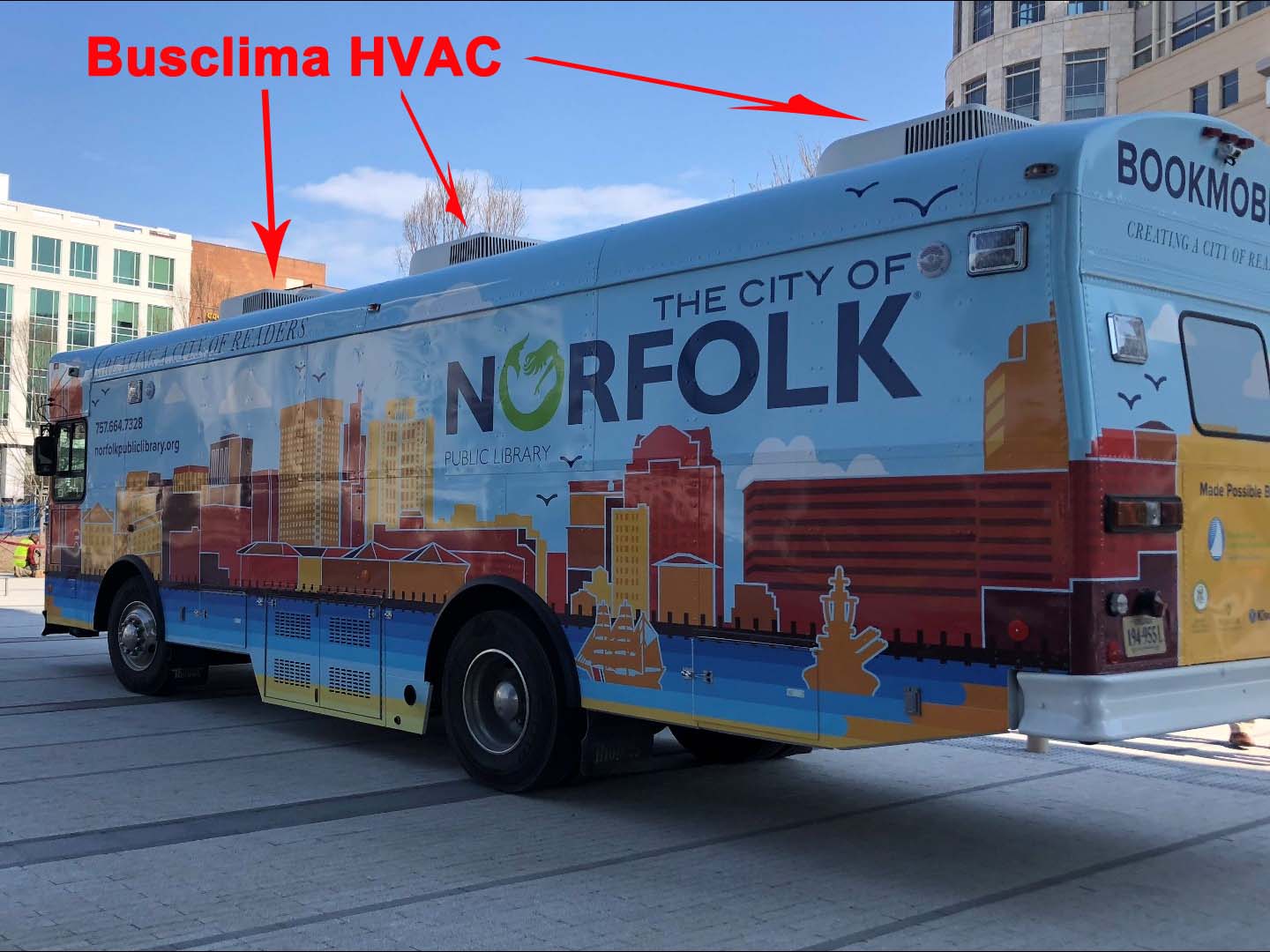
1. Camper Rooftop Air Conditioning Units – Technical Parameters and System Configuration: From Single-Point Cooling to Zoned Coordination
Reason: The contradiction between the physical limitations of a single air conditioner and the temperature control needs of a multi-functional space
The interior of an RV is usually divided into multiple functional compartments such as the driving area, living area, sleeping area, and kitchen/bathroom. These areas have different heat load characteristics: the living area heats up quickly due to large windows, while the sleeping area requires extremely quiet operation at night. A single high-power air conditioner, regardless of its power, cannot overcome the energy attenuation and noise problems caused by long-distance air delivery, easily leading to uneven cooling and heating in the front and rear of the vehicle and wasted energy.
Process: Modular Parameter Design and Collaborative Control Logic
The core of the air conditioning system solution lies in “distributed deployment and centralized intelligent control.” Its configuration is not a simple stacking of equipment, but a system engineering based on precise calculations.
Core Unit Parameters: A single rooftop air conditioning unit suitable for RVs typically has a cooling capacity of approximately 13,500 BTU (approximately 3.96 kW), using a high-efficiency DC inverter compressor. Taking Haier’s “Haizhenxing·Zhenxiang” new product released in 2026 as an example, it achieves simultaneous improvement in cooling capacity and energy efficiency through efficient heat exchange and inverter technology. The advanced models also feature self-cleaning and low noise levels (up to 50% quieter than single-fan models).
System Configuration Strategy: The configuration strategy for the air conditioning system varies depending on the size of the RV. For Type B or C RVs under 6 meters, a “one main, one auxiliary” dual-unit layout is the golden rule: one unit is located at the front of the cabin to cover the living area, and the other is located in the middle or rear to serve the sleeping area. For large Type A RVs exceeding 8 meters in length, three or more air conditioners may be used to achieve more precise “front, middle, and rear” zone coverage.
Control System and Energy Matching: Multiple air conditioners must be managed by a unified intelligent control system, supporting independent zone temperature control (e.g., driver’s area set to 26℃, sleeping area set to 24℃) and collaborative working modes. In addition, the total power of the air conditioning system must be precisely matched to the RV’s energy system (lithium battery capacity, solar panel power, inverter). For example, to support the air conditioning system for extended off-grid operation, equipping with a lithium battery of 400Ah or more and at least 300W of solar panels has become a common configuration for mid-to-high-end RVs.
Result: Building an Adaptive, High-Precision Environmental Control Network
Through parametric and modular design, the air conditioning system is upgraded from a high-energy-consuming device to an intelligent environmental network with precise zone control and system redundancy capabilities. It fundamentally eliminates temperature dead zones and ensures that even if a single unit fails, other units can still maintain basic comfort, greatly improving the reliability of long-distance travel.
2. Camper Rooftop Air Conditioning Units – Usage Scenarios and Configuration Optimization: Engineering for All-Time Comfort
Reason: The Elastic Requirements of Dynamic Travel on Temperature Control Systems
RV life scenarios are diverse; one might travel through a hot desert during the day and rest in a cool mountain area at night. This requires the air conditioning system to have the capabilities of rapid response, wide temperature range operation, and high energy efficiency to cope with different climates and extend off-grid survival time.
Process: Scenario-Driven Deep Collaboration of Energy and Temperature Control
Long-distance Family Travel: This is the most core scenario, focusing on all-time comfort and quiet operation. While driving, the air conditioning system can operate at full power for rapid cooling; when parked at night, only the air conditioner above the sleeping area is activated and runs in ultra-quiet mode, reducing energy consumption to less than 30% of daytime levels, ensuring peaceful sleep.
Business Reception and Mobile Office: For high-end business negotiations or mobile workspaces, even, imperceptible rapid cooling is crucial. The dual air conditioning system balances the temperature throughout the vehicle faster than a single unit, and delivers air through concealed ducts, avoiding direct cold drafts, enhancing professional image and work efficiency.
Extreme Climates: In scorching environments, the entire air conditioning system can be activated and run in high-efficiency mode; in humid areas, the independent dehumidification function can be enabled. The multi-unit design of the system itself provides redundancy and safety, ensuring reliability in extreme environments.
Result: A Value Leap from “Basic Function” to “Scenario Empowerment”
Through the combination of the air conditioning system and intelligent energy management, the RV has achieved a leap from passively responding to the environment to actively creating a suitable microclimate. Users gain the freedom to enjoy a customized comfortable environment anytime, anywhere, which greatly expands the usage boundaries and value connotation of the RV.
3. Camper Rooftop Air Conditioning Units – Product Systemic Advantages: Defining the Comfort Benchmark for High-End RVs
Reason: Upgraded User Experience Demands and the Limitations of Single Devices
Modern RV users pursue an overall comfortable experience similar to a home environment, which involves multiple dimensions such as temperature, humidity, air quality, and noise levels. Traditional single-unit solutions have inherent defects that are difficult to reconcile in these aspects.
Result: Shaping the Core Value Label of RV Products
The rooftop air conditioning system transforms air conditioning from a “power-consuming configuration” into a value-creating center that showcases the vehicle’s technical strength and luxury attributes. It directly relates to the user’s travel happiness and is a key technical benchmark that distinguishes ordinary RVs from high-end mobile homes.
4. Camper Rooftop Air Conditioning Units – Target Customer Group and Decision Drivers
Reason: Deep-Seated Value Recognition Behind Rational Investment
Configuring a complete rooftop air conditioning system and supporting energy system means a significant increase in cost. This determines that its target customers are a group with clear requirements for quality of life, reliability, and personalized experience, and with sufficient budget. Process: Precisely Matching Customer Profiles and Value Propositions
Deep-traveling families and adventure enthusiasts: They view RVs as a “mobile home,” and their journeys can last for months. The system’s all-weather adaptability, off-grid endurance, and absolute reliability are their primary reasons for investment, directly related to the health and safety of their entire family.
High-end business users and content creators: They use RVs as mobile meeting rooms, studios, or filming bases. They have extreme demands for environmental stability, noise levels, and rapid adjustment capabilities. The professional-grade comfortable environment provided by the air conditioning system is fundamental to the smooth operation of their businesses.
RV enthusiasts and modification hobbyists who pursue the ultimate experience: They are passionate about the latest technology and personalized customization. The modularity, intelligence, and high integration represented by the air conditioning system perfectly match their enjoyment of exploring technological boundaries and creating unique vehicles.
Result: Business Evolution from Selling Products to Providing Solutions
For RV manufacturers and modification companies, providing air conditioning system solutions means an upgrade in their business model—from selling standardized products to providing customized overall solutions for mobile living. Successful sales communication lies in deeply understanding users’ travel dreams and demonstrating their long-term value with system data (such as temperature control curves and energy consumption simulations in different scenarios).
Camper Rooftop Air Conditioning Units: Multiple Modular Units
The evolution of RV rooftop air conditioning units clearly reflects the upgrade path of mobile living quality. In the future, this system will be deeply integrated with the trend of vehicle intelligence and electrification. Through linkage with the Internet of Things, navigation, and battery management systems, it will achieve predictive energy management and temperature control based on geographical location and weather. At the same time, it will use more environmentally friendly refrigerants and higher energy efficiency technologies to respond to the green travel trend. As emphasized by industry leading brands in their strategic releases, the future direction is to build “smart, comfortable, energy-saving, and low-carbon” mobile air solutions. The rooftop air conditioning unit is the solid foundation of this future vision today, protecting a comfortable environment year-round and making distant poetic living a reliable daily reality.
Related posts:
 4 sets of Rooftop AC Units for Campers for a 15m bus
 RV Rooftop Air Conditioning Units, 2 stes, Golden Partner for Minibus RV
 Air Conditioning Units for Motorhomes: A Distributed Temperature Control System
 Aircon Units For Motorhomes
 Modular Temperature Control Solution for Motorhomes
 Camper Air Conditioner 12V
 Air Conditioning Units For Motorhomes
 12V Camper Air Conditioner used in medicalmobile
 Technical White Paper on Multi-Unit Roof AC for Campers and Buses
 12 Volt RV Air Conditioning Units represent an energy and technological revolution
 Camper Aircon Unit – Modular Design Leads to a New Comfortable Travel
 15000 BTU Camper AC Multiple units
 15000 Btu Air Conditioner Rv
 12 Volt Camper Ac
 Air Conditioning Units for RV and Minibus Air Conditioner
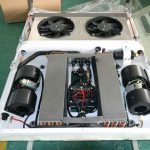 Air Conditioning Units for Campers Installation Process
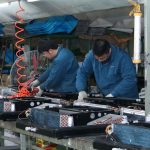 Air Conditioning for Motorhomes Manufacturing Process
 15000 Btu Camper Air Conditioner
 Spanish
  English