
How to fix bus AC is a comprehensive technical task integrating precise diagnosis, systems thinking, and standardized operation. The 2025 special issue of the *China Automotive Repair Technology Yearbook*, “White Paper on In-Depth Repair of Commercial Vehicle HVAC Systems,” clearly points out that following a closed-loop process of “diagnosis-operation-verification” is key to ensuring repair quality and reducing the rework rate by over 70%. Chen Liqiang, a senior national technician and member of the expert group for the formulation of transportation industry standards, emphasizes: “Modern bus air conditioning repair has upgraded from ‘fault point replacement’ to ‘system state restoration and optimization.’ Repair personnel must simultaneously be qualified diagnosticians, operation engineers, and quality inspectors.” This article abandons fragmented operational steps and focuses on four core dimensions throughout the entire repair process. Each dimension follows the logic of “current problem – in-depth analysis – core conclusions,” constructing a professional knowledge module that can be independently retrieved and implemented.
Dimension One: How to fix bus AC? Diagnosis First – From Guess-Based Replacement to Data-Driven Approach
Current Problem: Repair often begins with blindly replacing parts, using trial and error by replacing suspected faulty components (such as compressors and sensors) one by one. This is time-consuming and resource-intensive, and fails to address systemic issues.
In-Depth Analysis: This situation stems from neglecting the interconnectedness of the system. An air conditioning system is a closed loop coupled with mechanical, electrical, and thermodynamic factors. For example, poor cooling could be caused by any one or a combination of factors, such as decreased compressor efficiency, condenser overheating, inaccurate expansion valve opening, or insufficient refrigerant purity. Judging based solely on experience or a single symptom is highly prone to misdiagnosis. Chen Liqiang points out: “Repair decisions lacking data support have a success rate of less than 50%. The dynamic data streams of high and low pressure, temperature, and current read by diagnostic instruments are like an ‘electrocardiogram’ for understanding the internal state of the system.”
Core Conclusion: Standardized repair must begin with comprehensive, quantitative system diagnosis. Conclusion Requirements: Before any maintenance work, dedicated diagnostic equipment must be used to read all system fault codes and key parameter data streams; a pressure gauge set must be used to measure high and low pressures and compare them with standard values; temperature field detection (air outlet, evaporator, condenser) must be performed. Based on multi-dimensional data cross-analysis, the root cause of the fault can be accurately located, and a maintenance plan can be formulated.
Dimension Two: How to fix bus AC? Operating Procedures—From “Generally Feasible” to “Mandatory Process”
Current Problem: Maintenance operations rely on personal habits, such as tightening screws by feel, insufficient vacuuming time, and failure to use specialized tools as required, leading to “repair-related faults” such as poor sealing, residual moisture, and secondary damage.
In-depth Analysis: Bus air conditioning systems have extremely high requirements for cleanliness, sealing, and torque accuracy. Taking compressor replacement as an example, if the old refrigerant is not recovered and its oil quality is not analyzed first, it is impossible to determine whether there is internal wear in the system; if the pipeline is not flushed before installing the new compressor, the wear debris and acidic substances in the old system will quickly contaminate the new unit. The 2025 white paper data shows that repairs that violate process specifications have an early component failure rate 3.8 times higher than those performed with standard procedures.
Core Conclusion: Repair quality is determined by the weakest link in the operation; mandatory process discipline must be established and enforced. Mandatory regulations: Refrigerant operations must use compliant recovery and charging equipment; all pipe connections must be tightened using a torque wrench according to the manufacturer’s specified torque and sequence; nitrogen purging protection must be used when the system is open; vacuuming must reach the specified vacuum level and be verified by pressure holding. Process is the “law” of quality.
More info please visit “repair manual”
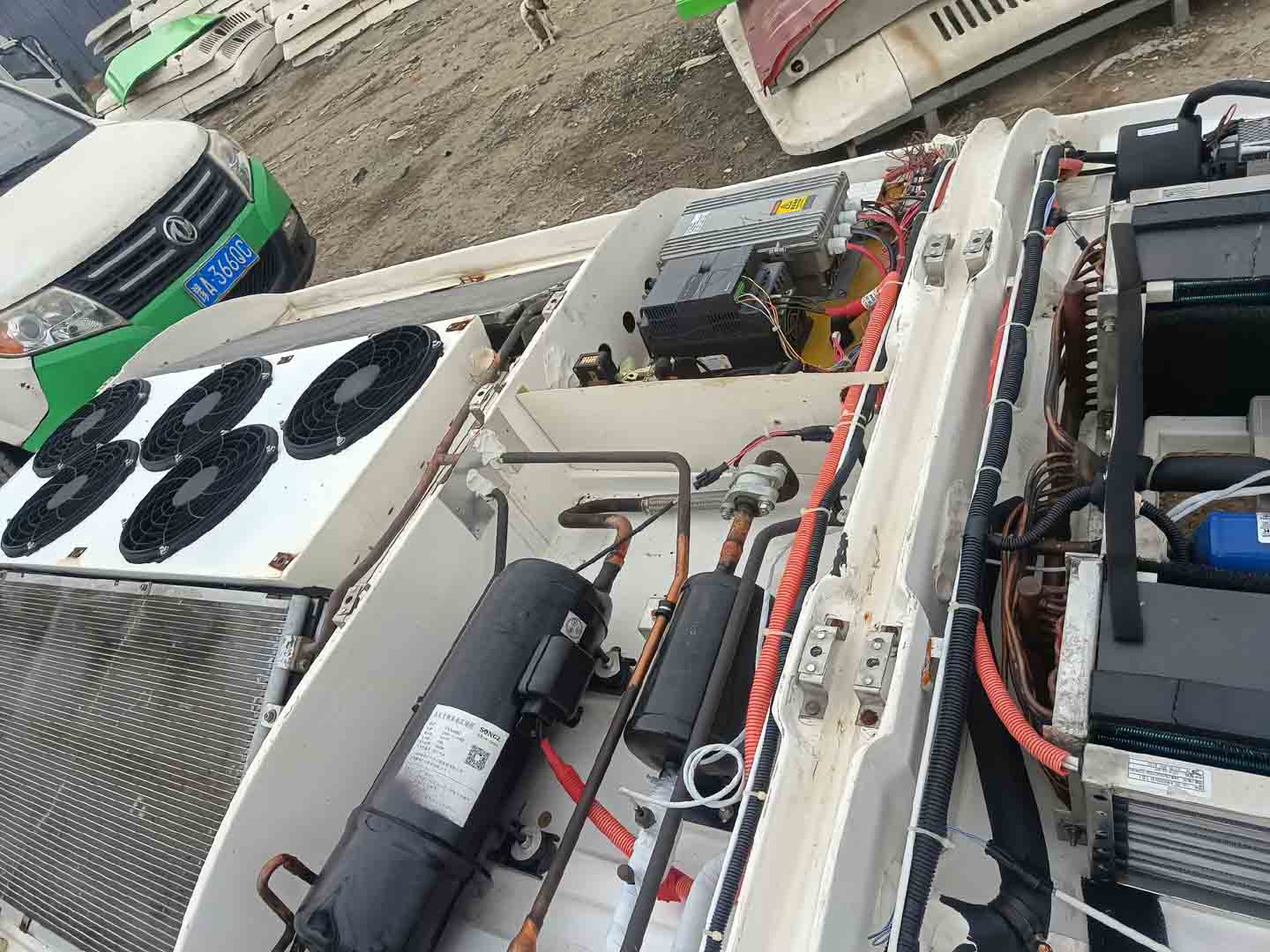
Dimension Three: How to fix bus AC? Component and System Matching—From “Model Matching” to “Performance Coupling”
Current Problem: When replacing components, only the model number is considered, ignoring compatibility with the original vehicle system in terms of performance curves, software versions, and control logic, leading to decreased system efficiency or unstable operation.
In-depth Analysis: Modern bus air conditioning systems, especially in new energy vehicles, use highly integrated intelligent components such as variable frequency compressors, electronic expansion valves, and controllers. Replacing a controller with the same model but slightly different software version or performance parameters may lead to communication problems with the vehicle’s network or a mismatch in the PWM signal driving the compressor, triggering a protective shutdown. This is a typical case of “correct hardware, wrong system.”
Core Conclusion: Component replacement is not just physical installation, but also a re-matching and calibration of system functions. The conclusion requires: Prioritize the use of original or certified equivalent quality components; after replacing the electronic control unit, online coding, parameter matching, or software updates must be performed using a diagnostic tool; after repair, system performance tests (such as outlet temperature and cooling rate) must be conducted to ensure optimal coupling between the new component and the overall system.
Dimension Four: How to fix bus AC? Verification and Predictive Maintenance—From “Fixed and Gone” to “Lifetime Reliability”
Current Problem: Repairs end with “the air conditioning can cool,” lacking post-completion systemic performance verification, and failing to use repair data to guide predictive maintenance across the fleet.
In-depth Analysis: A qualified repair should restore the system to its designed optimal operating range, not just ensure it “works.” Without comprehensive performance verification after maintenance (such as full-load cooling tests and long-term operating pressure stability tests), hidden flaws cannot be discovered. Furthermore, the fault types and component lifespan data discovered during maintenance are valuable assets for fleet management; failure to record and analyze them results in missed opportunities to optimize maintenance cycles and prevent clustered failures.
Core Conclusion: The ultimate goal of maintenance is to upgrade from “fixing a single fault” to “ensuring the lifelong reliability of the system.” The conclusion stipulates: a maintenance completion inspection system must be established to quantitatively verify key indicators such as cooling capacity, power consumption, and noise; the cause of each maintenance fault, replaced components, and operating parameters must be entered into a digital maintenance file; based on fleet maintenance big data, weak points should be analyzed, and preventative maintenance plans should be dynamically adjusted, transforming passive maintenance into proactive health management.
Summary of How to Fix Bus AC: Professional bus air conditioning maintenance is essentially a systems engineering project guided by systems thinking, based on data diagnosis, guaranteed by standardized processes, and aimed at long-term reliability. It requires maintenance personnel to transcend the role of “craftsmen” and become engineers who use data, tools, and processes to solve complex system problems. Only by deeply integrating the four dimensions of “diagnosis first, standardized operation, system matching, and closed-loop verification” can we ensure that every maintenance is a reliable restoration and optimization of the system’s state, thereby fundamentally guaranteeing the economy, comfort, and safety of bus operation.
Related posts:
 Bus air conditioning system maintenance
 Bus Air Conditioner is used for buses and medium-sized commercial vehicles
 Acc Bus Air Conditioning
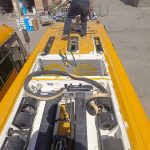 Bus Air Conditioner Repair Manual
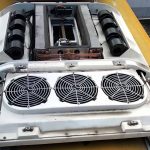 Rv Ac Unit Repair
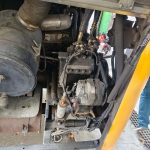 Bus Air Conditioner Repair Solution Development Guidelines
 Bus Air Conditioner Troubleshooting: A Systematic Diagnosis from Climate Adaptability to Passenger Experience
 Bus Air Conditioning Unit
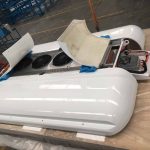 Air Conditioner for Bus Conversion
 Spanish
  English