
How to install an AC unit on a camper? Mini-campervans, representing personalized mobile living, are favored by modification enthusiasts for their flexible space and strong adaptability. These models are typically built on chassis such as the Mercedes-Benz Sprinter and Ford Transit, with a body structure between a large RV and a small van, providing a solid foundation for modifications. Their boxy shape and sturdy roof are ideal for adding various facilities, while the relatively ample interior height and regular side walls create favorable conditions for the layout of air conditioning ducts. Understanding these physical characteristics of mini-campervans is the starting point for planning all comfort modifications, especially the installation of an air conditioning system.

The core benefit of installing air conditioning in a mini-campervan is that it completely liberates you from the constraints of time and space in your travels, significantly improving your quality of life. It not only provides coolness but also creates a stable and controllable indoor environment in various climates. Whether it’s a hot summer afternoon nap at the beach or a humid night in the mountains, a reliable camper ac system ensures the interior remains dry and comfortable, protecting wooden furniture and electronic equipment from moisture damage. More importantly, it frees travel plans from weather constraints. Whether heading south to escape the cold or north to escape the heat, the interior remains a constant-temperature haven, greatly expanding the RV’s usability and seasonal adaptability, allowing the feeling of “home” to truly extend to any place with the wheels.
How to install an AC unit on a camper? The first step in the installation process is choosing the appropriate air conditioning type, which directly determines the complexity of the subsequent installation and the final experience. There are three main options: roof-mounted units are the most common, requiring installation through a hole in the roof; they offer high cooling efficiency but increase vehicle height and require roof structural reinforcement; split-type air conditioners place the compressor under the vehicle or externally, with the indoor unit mounted on the wall; they operate quietly and do not sacrifice headroom, but the installation process is more complex; portable air conditioners do not require permanent installation, dissipating heat through hoses, offering the highest flexibility but lower efficiency and taking up interior space. After determining the type, a crucial step involves precise power planning—air conditioning is a major power consumer, requiring a sufficiently large lithium battery pack, a high-power inverter, and a vehicle charging system. It is also recommended to install a soft starter to reduce the impact on the electrical circuit. Following this comes the specific positioning, drilling, fixing, sealing, and professional electrical connections, each step requiring consideration of structural safety, waterproofing, and heat dissipation.
How to install an AC unit on a campervan? From a market trend perspective, minibus/RV air conditioning retrofitting is rapidly developing towards high efficiency, low power consumption, and intelligent integration. With the widespread adoption of lithium battery technology and improved solar power generation efficiency, providing continuous energy for high-power appliances has become possible, directly driving the application of more powerful air conditioning systems. Consumers are no longer satisfied with simple cooling; there is a growing demand for products with heat pump functions (dual-purpose cooling and heating), inverter control to save electricity, and pre-cooling/pre-heating capabilities via mobile apps. Simultaneously, numerous retrofit kits and professional service providers specifically developed for different vehicle models have emerged, making the retrofitting process more standardized and reliable. The growth of this niche market reflects the deep evolution of RV culture from simple travel tools to sophisticated mobile homes.
In short, installing air conditioning in a minibus/RV is a highly valuable core retrofit. It transcends basic needs and is a key project for achieving a high-quality, all-weather travel lifestyle. Successful installation relies on scientific selection, rigorous planning, and professional execution, underpinned by comprehensive consideration of the electrical system, spatial layout, and vehicle structure. With technological advancements and market maturity, this conversion is becoming more feasible and efficient. It not only empowers minibuses and motorhomes to navigate nature with ease but also ultimately allows the imagination of freedom and distant horizons to find a comfortable and pleasant place under any sky.
Related posts:
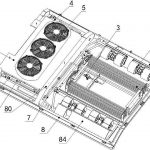 Bus Air Conditioner is used for buses and medium-sized commercial vehicles
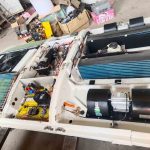 Introduction to Ac For Bus
 Ac For Camper and Mini Bus Ac Installation Steps
 Air Conditioner In Camper
 Motorhome Air Conditioning and Minibus Manufacturer Matching
 Bus Con Supplier reminds all bus owners to clean BUS AC
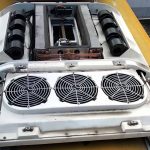 Rv Ac Unit Repair
 Mini Bus Air Conditioner Benefits for Transportation Companies
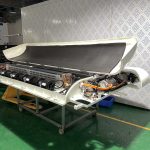 How Coaches HVAC Works & How to use Coaches HVAC
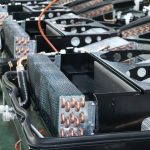 Camper Air Conditioner
 Campers With Air Conditioning
 Thermo King Bus Ac Unit
 Fixing Rv Air Conditioner
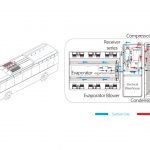 MTC MAN Bus Aircon Fluid Dynamics Analysis
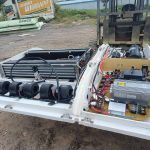 Bus Aircon Issues and Solutions
 Bus Air Conditioning Supplier explains why Bus AC has poor cooling performance
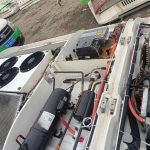 Motorhome Air Conditioning Repair
 RV Air Conditioning Units to bus manufacturers in North Africa
 Spanish
  English