
MTC MAN Bus Hvac finite element analysis is a crucial part of the development process. It ensures the air conditioning system’s superior performance in terms of strength, lifespan, vibration, and thermal management, especially in applications like buses where safety and reliability are paramount.
Core Objectives of Finite Element Analysis
The fundamental objective of finite element analysis in the design of the MTC MAN Bus Hvac is to predict and optimize its performance through computer simulation before physical product manufacturing, ensuring its safe, reliable, and efficient operation throughout its entire lifecycle.
Structural Strength and Stiffness: Ensuring no plastic deformation or fracture under various ultimate loads.
Fatigue Life: Predicting service life under long-term vibration and alternating loads.
Vibration and Noise: Optimizing the structure to avoid resonance and reduce vibration and noise levels.
Thermal Management and Fluid Dynamics: Ensuring optimal heat dissipation efficiency and airflow distribution within the system.
Lightweight Design: Reducing weight as much as possible while meeting all performance requirements.
BUSCLIMA stated that for MTC MAN, comprehensive finite element analysis (FEA) of the bus air conditioning system is a core guarantee of its air conditioning quality. Ultimately, this translates into a core competitive advantage for the product in the market: lower failure rates, longer service life, better fuel economy, and a more comfortable ride—crucial for any market, especially in harsh environments like Algeria.
If Algerian Bus AC Unit engineers have any questions about finite element analysis of bus air conditioning systems, please visit www.busclima.com or contact busclima@kingclima.com for technical support from Chinese engineers.
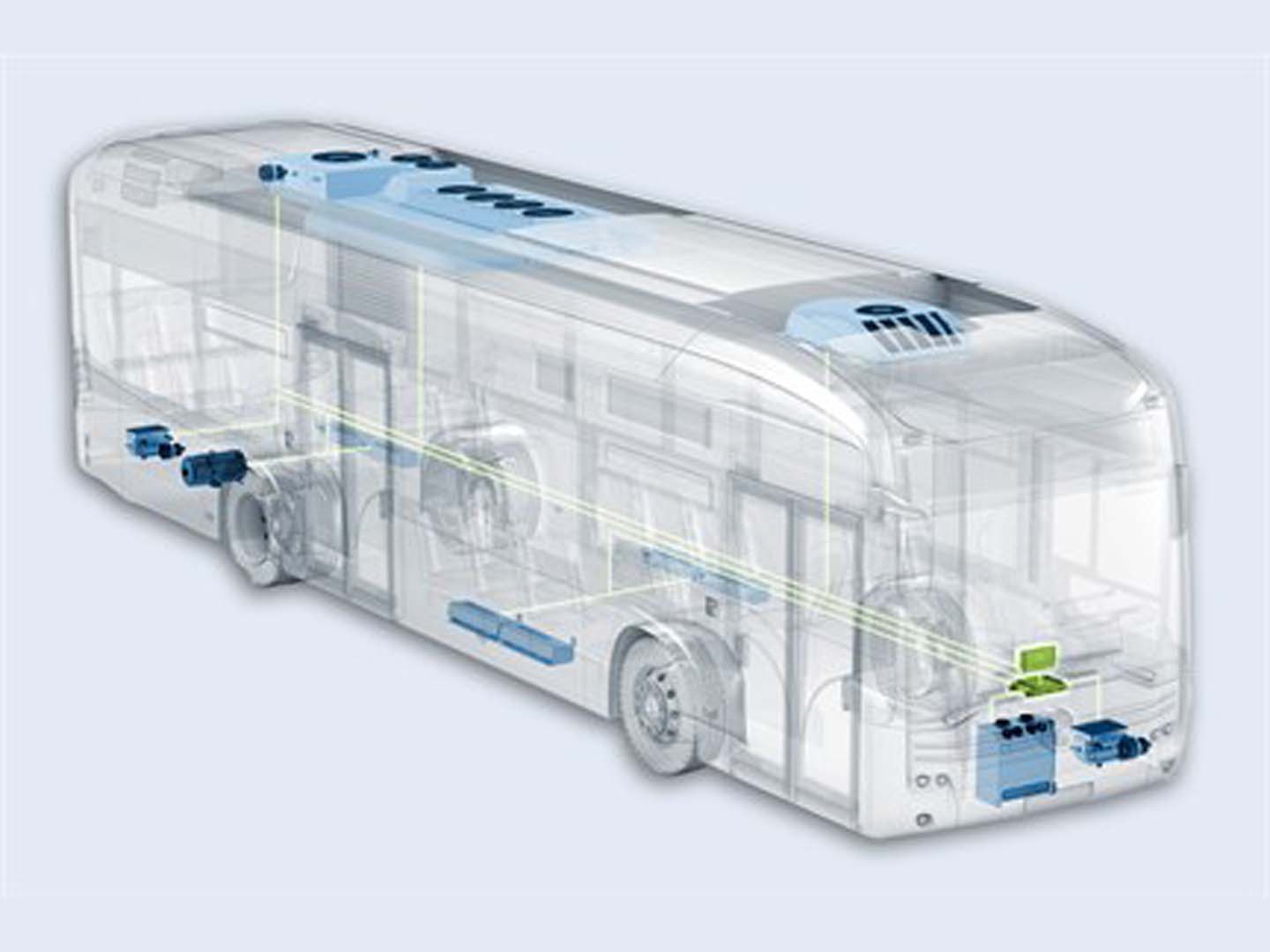
Specific Application Areas of FEA Analysis
1. Structural Strength and Stiffness Analysis
Bus air conditioner unit (evaporator housing, condenser housing), mounting brackets, compressor brackets, etc.
The weight of the air conditioning unit itself, the weight of internal components, and the weight of maintenance personnel stepping on the roof unit (if applicable).
The impact of inertial forces generated during bus acceleration, braking, and cornering on the structure.
Simulating impact loads experienced by the vehicle under severe road conditions.
2. Vibration and Fatigue Analysis
Calculate the natural frequencies and mode shapes of the MTC MAN Bus Hvac.
Compare its natural frequencies with the excitation frequencies caused by engine idling speed and road surface excitation frequencies (such as tire imbalance). Modify the structural design (e.g., add reinforcing ribs, change mounting point positions) to avoid the main vibrations.
Related posts:
 MTC MAN Bus Aircon System
 Bus Air Conditioner is used for buses and medium-sized commercial vehicles
 MTC MAN Bus Air Conditioner
 MTC MAN Bus Ac System Integrated Design
 MTC MAN Coaches Hvac features a rooftop design
 Air Conditioner For Bus
 Carrier Bus Air Conditioner
 MTC MAN Bus Air Con Design
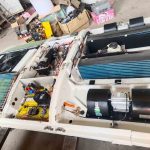 Introduction to Ac For Bus
 Bus Con Supplier reminds all bus owners to clean BUS AC
 MTC MAN Ac For Buses Installation Process
 Thermo King Bus Ac Unit
 Bus Air Con Supplier Analysis Future HVAC Structure Trends in Buses
 Shuttle Bus Air Conditioner suppliers and manufacturers in China
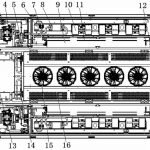 MTC MAN Bus Ac Design
 Bus Aircon Manufacturer
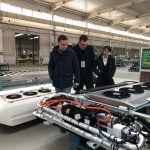 Bus Air Conditioning Unit
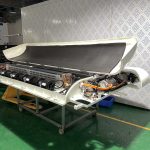 How Coaches HVAC Works & How to use Coaches HVAC
 Spanish
  English