
RV 12V AC Unit
RV 12V AC unit distributed at the front and rear of the vehicle’s roof, have become the optimal engineering solution for addressing climate control challenges in mid-sized RV.
With the continuous segmentation and maturation of the domestic RV market, mid-sized RVs built on chassis such as the Toyota Coaster, Yutong T7, and SAIC Maxus V90 extended wheelbase are becoming a popular choice for long-distance family travel and high-end business reception, thanks to their more spacious interiors than Class B RVs and better maneuverability than large Class A RV.
These vehicles typically range from 6 to 8 meters in length, featuring a distinct longitudinal layout with a driving area, a central living area, and a rear sleeping area.
Faced with this unique structure of “moderate space but distinct functional zones,” traditional single roof-mounted air conditioners struggle to meet the multiple demands of rapid cooling, even airflow, and quiet, energy-efficient operation.
According to industry trends, integrated, high-efficiency roof-mounted air conditioning systems are becoming crucial for improving overall vehicle comfort and competitiveness.
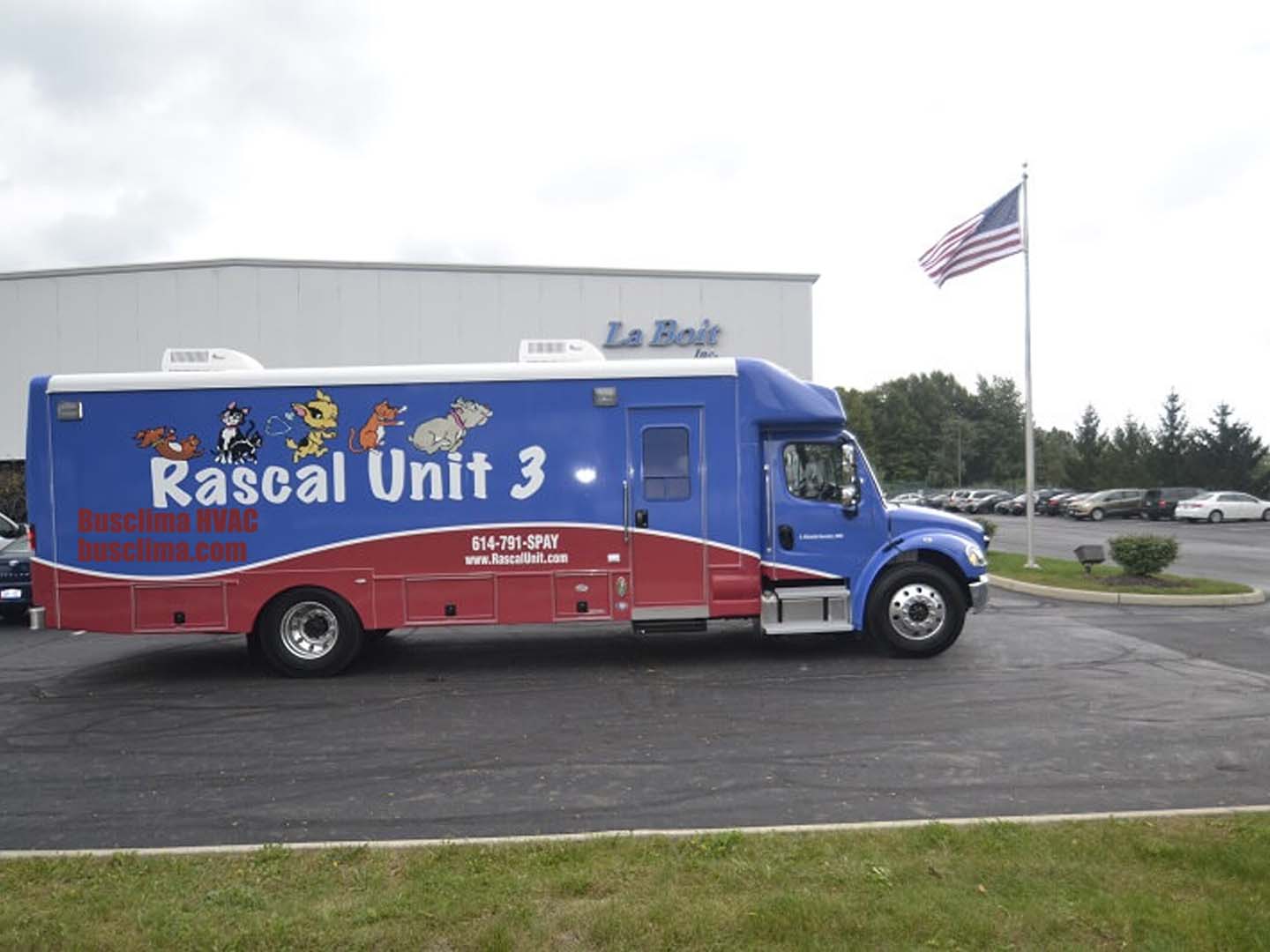
1. RV 12V AC Unit – Why is the “front and rear dual-unit” configuration the golden rule for mid-sized RVs?
Reason: The contradiction between long-distance airflow attenuation of a single air conditioner and the need for zoned temperature control.
The interior space of a mid-sized RV is significantly elongated. If only one high-power air conditioner is installed at the front or rear, the cold air needs to be transported through a long duct to the other end, resulting in significant air pressure and cooling capacity attenuation, inevitably leading to an uneven temperature distribution in the cabin (“one end cold, the other end hot”). At the same time, the living area and sleeping area have completely different usage scenarios and heat loads (the living area has strong sunlight and more people during the day; only the sleeping area needs continuous operation at night), requiring independent and precise temperature control.
Result: Building an efficient, precise, and redundant temperature control network.
Through a distributed layout with units at the front and rear, the cold source is closer to the service area, resulting in the shortest airflow path and highest efficiency. The independent operation mode of the dual units provides unparalleled flexibility and creates valuable system redundancy – even if one unit malfunctions temporarily, the other can still maintain the temperature in the basic area, greatly improving reliability for long-distance travel.
2. RV 12V AC Unit – Application Scenarios and Energy Strategy
Reason: The complex needs of minibus RV users for “multi-purpose use”
Minibus RVs often serve multiple functions, including long-distance family travel, group trips with friends, and business receptions. The usage scenarios are diverse and complex, ranging from urban campsites to wilderness areas, which poses a comprehensive challenge to the air conditioning system’s environmental adaptability, rapid response capabilities, and off-grid endurance.
Process: Intelligent Strategy to Address Diverse Scenarios
Family Long-Distance Travel Scenario: This is the scenario where the dual-unit system provides maximum value. While driving, both units can work together for rapid cooling; after parking at night, only the rear silent air conditioner needs to be turned on, consuming only 30%-50% of the energy compared to both units running at full power. With sufficient battery capacity, this allows for a comfortable night’s sleep without needing to start the generator.
Business Reception and Social Scenarios: Requires quickly creating a uniform and pleasant environment throughout the vehicle. Starting both units simultaneously can reduce the interior temperature from scorching heat to a comfortable range within 10-15 minutes. Because of the even distribution of air vents, there are no hot or cold spots, improving the comfort level for all passengers and enhancing the overall reception experience.
Extreme Climate and Off-Grid Challenges: In high-temperature environments, the parallel operation of both units provides instantaneous, powerful cooling. For off-grid power consumption, the system must be deeply integrated with high-capacity lithium batteries, high-efficiency on-board charging, and solar power systems. The intelligent energy manager can automatically switch to energy-saving mode or prioritize a specific area based on battery level, achieving optimal energy allocation and the longest possible off-grid time.
Result: Achieving a leap from “basic temperature control function” to “all-scenario comfort assurance”
The combination of the dual-unit air conditioning system and intelligent energy management transforms the minibus RV into a “mobile comfort fortress” that can independently cope with various external environments and consistently maintain an ideal internal microclimate, completely freeing users’ travel planning.
3. RV 12V AC Unit – Core Product Advantages
Reason: Users’ comprehensive consideration of comfort, energy consumption, and reliability
Users who choose the dual-unit solution seek optimal system performance within a limited space, and its advantages are reflected in the integrated improvement across multiple dimensions.
Process: Integrated Construction of Multi-Dimensional Advantages
Improved Comfort and Quietness: The distributed design eliminates longitudinal temperature differences. The silent technology of the dedicated air conditioning system in the rear sleeping area ensures absolute quietness in the core resting area, a feature that a single air conditioner, no matter how optimized its airflow, cannot match.
Energy efficiency and power system friendly: The dual inverter compressors can independently and continuously adjust their speed according to the actual load in each zone, providing cooling on demand and avoiding the inefficient “oversized engine for a small load” operation of a single high-power compressor, resulting in higher overall energy efficiency. At the same time, the two units can start at different times, causing significantly less impact on the electrical circuit than a single high-power compressor, protecting the vehicle’s power system.
Higher reliability and ease of maintenance: The modular design means inherent fault redundancy. System reliability is significantly enhanced. In addition, the standardized top-mounted unit facilitates inspection and maintenance, reducing the total cost of ownership over the entire lifecycle.
Result: Defining the value benchmark for mid-to-high-end motorhomes
The dual top-mounted air conditioning system elevates air conditioning from an “energy-intensive essential configuration” to a core value unit that showcases the vehicle’s design philosophy and technological strength, directly constituting a key differentiator and premium feature of the product.
4. RV 12V AC Unit – Target Customer Group and Value Recognition
Reason: Clear market segmentation and precise product positioning
The investment in a motorhome and its dual air conditioning system is substantial, targeting a group of customers with clear requirements and purchasing power regarding quality of life, travel experience, or business image.
Process: Precise matching of customer profiles and needs
Multi-member families and experienced travel enthusiasts: They are typically the core users of motorhomes, valuing the vehicle’s multi-functionality and the comfort of all occupants during long journeys. They have a strong need for sleep quality, independent temperature control in the front and rear compartments, and the system’s off-grid endurance, considering it a crucial investment to ensure a happy travel experience.
High-end business reception users: Used for corporate VIP reception, mobile meetings, etc. They have extremely high demands for rapid, stable, and uniform quietness in the environment. The seamless, zoned temperature control experience provided by the dual-unit system is an important component of their professional service and high-end image.
Practical and rational modification users: These users are technically savvy and value the long-term cost of ownership. The advantages of the dual-unit system in energy efficiency, reliability, and future maintenance convenience align with their rational and pragmatic consumption philosophy. Result: Leading the Upgrade from “Vehicle Modification” to “Mobile Space Solutions”
For RV manufacturers and modification companies, promoting the dual-roof-mounted air conditioning system means shifting from providing basic transportation to offering users a complete, high-quality mobile living and working solution. This requires salespeople to deeply understand users’ underlying needs and communicate the irreplaceable long-term value through comfort comparisons and data analysis in specific scenarios (such as a hot summer afternoon or a cold night camping).
RV 12V AC Unit – Conclusion
The use of dual front and rear roof-mounted air conditioning units in mid-size RVs is a rational choice based on precise engineering calculations. Through distributed layout and intelligent coordination, it perfectly solves the core temperature control pain points of medium-sized mobile spaces, achieving the optimal balance between comfort, energy efficiency, and reliability. As leading companies like Haier continue to promote the development of international standards for parking air conditioners, the industry is moving towards a more efficient, intelligent, and integrated direction. The dual-unit temperature control system is not only the best technical solution currently available but also lays a solid hardware foundation for deeper integration of RVs with smart homes and the Internet of Things in the future, continuously leading the evolution of the mid-size RV travel experience.
Related posts:
 Camper Air Conditioner 12V
 12 Volt RV Air Conditioning Units represent an energy and technological revolution
 Air Conditioning Units for Motorhomes: A Distributed Temperature Control System
 Camper Rooftop Air Conditioning Units
 4 sets of Rooftop AC Units for Campers for a 15m bus
 Modular Temperature Control Solution for Motorhomes
 Aircon Units For Motorhomes
 RV Rooftop Air Conditioning Units, 2 stes, Golden Partner for Minibus RV
 12V Camper Air Conditioner used in medicalmobile
 Roof Top Camper Air Conditioner
 Air Conditioning Units For Motorhomes
 Rooftop Ac Unit Camper
 Rooftop Ac Camper
 Technical White Paper on Multi-Unit Roof AC for Campers and Buses
 Camper Aircon Unit – Modular Design Leads to a New Comfortable Travel
 12 Volt Camper Ac
 15000 BTU Camper AC Multiple units
 15000 Btu Air Conditioner Rv
 Spanish
  English