
Skoolie Air Conditioning features a compact compressor; its compact size and lightweight design help reduce the energy consumption of the school bus HVAC system.
Furthermore, adjustable voltage allows the air conditioning system to operate efficiently even in urban traffic, adjusting cooling capacity as needed.
Skoolie Air Conditioning ensures passenger comfort and reliable operation.
Bus air conditioning systems must be able to cool large spaces, operate under various environmental conditions, and be energy-efficient, especially considering the bus’s fuel consumption and battery life.
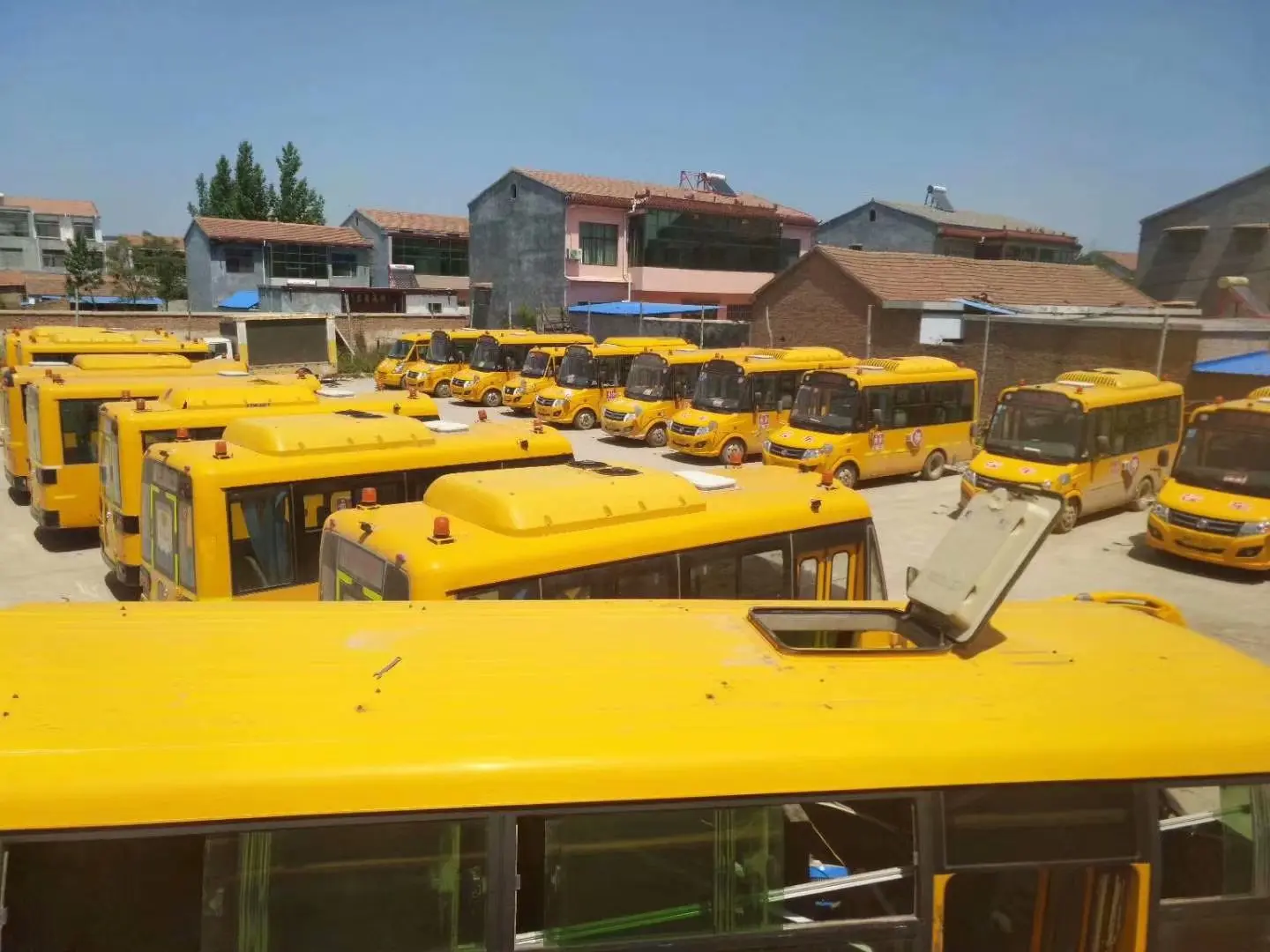
Therefore, the following parameters should be considered when selecting Skoolie Air Conditioning:
* Cooling Capacity: The choice of cooling capacity should be based on the bus size and passenger capacity.
Bus Size: Larger buses require more powerful Bus Ac systems. Cooling capacity should be based on the bus’s internal volume (cubic feet or meters).
Passenger Capacity: More passengers generate more heat. Ensure the system can handle the heat load of a fully loaded bus.
Climate Conditions: In hotter climates, a system with a higher BTU rating is needed to ensure passenger comfort.
For any questions, please contact busclima@kingclima.com
Energy Efficiency
Energy-efficient systems help reduce operating costs and improve bus range or fuel efficiency.
Energy Consumption Per Passenger: Assess the energy consumption per passenger for the air conditioning system. More efficient systems provide necessary cooling while consuming less energy.
Variable Speed Compressors: Modern air conditioning systems equipped with variable speed compressors can adjust cooling output according to current demand, thereby reducing energy consumption.
Heat Recovery Systems: Some systems can recover waste heat for heating or defrosting, providing a more energy-efficient solution.
For any questions, please contact busclima@kingclima.com
System Location
The location of the air conditioning system is an important consideration as it affects cooling efficiency and available space inside the bus.
Roof-Mounted Air Conditioning System:
Advantages: The system is mounted on the roof, saving space. Provides uniform cooling throughout the cabin and does not occupy valuable interior space.
Disadvantages: Increases the height of the bus, which may lead to gap problems in low-lying areas. Maintenance may be more challenging due to exposure to the external environment.
Split-type air conditioning system:
Advantages: Can be installed externally on the bus or under the passenger compartment, freeing up interior space. Because the compressor and condenser are located externally, the interior is generally quieter.
Disadvantages: More complex installation; may take up space in the engine compartment or under the bus.
 Spanish
  English