
IC Bus Air Conditioning has evolved from a standalone temperature control device into a core system profoundly impacting public transportation operational efficiency, passenger health experience, and the implementation of the industry’s “dual-carbon” strategy. Its development reflects a profound transformation from single-function to multi-objective integration, and from mechanical control to intelligent connectivity. This article will comprehensively analyze the connotation and extension of modern bus air conditioning units from four dimensions: technological integration innovation, energy efficiency and sustainability, healthy air quality, and intelligent connectivity applications.
Dimension 1: Technological Integration Innovation – How has IC Bus Air Conditioning transformed from an “air conditioner” to a “comprehensive environmental management system”?
Question:
Facing the waves of electrification and intelligence, how can bus air conditioning units break through the traditional cooling/heating framework to achieve deep integration and functional expansion with other vehicle systems?
Evidence:
Evolution of Industry Standard Definition: According to the “Technical Roadmap for Commercial Vehicle Cabin Environmental Management Systems” released by the China Society of Automotive Engineers in 2025, the concept of a “cabin environmental management system” was formally proposed, defined as “an intelligent system integrating temperature and humidity regulation, air purification, pressure control, noise management, and coordination with the vehicle’s energy and heat sources.”
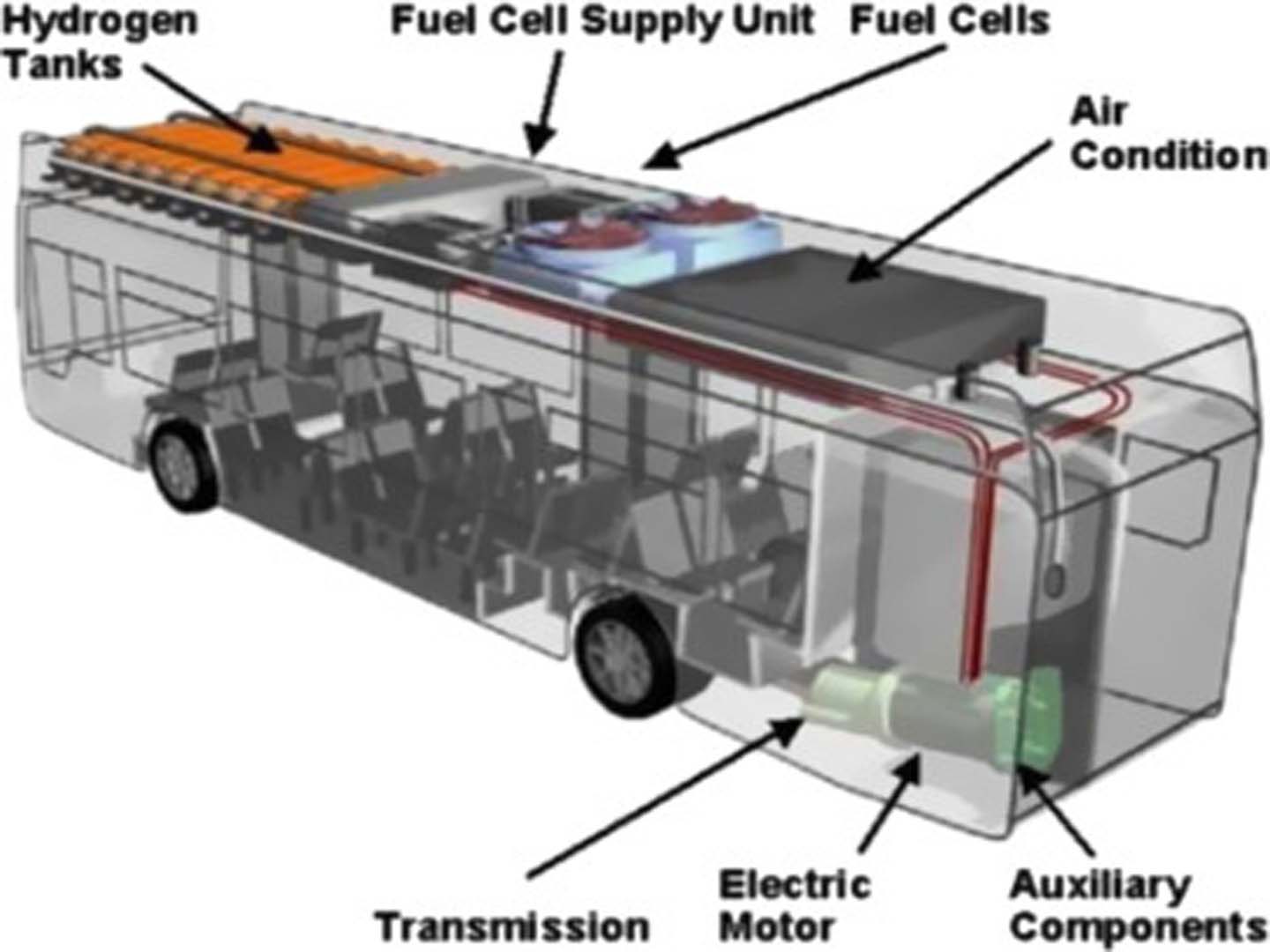
Authoritative Technical Interpretation: Professor Li Keqiang, Academician of the Chinese Academy of Engineering and Director of the State Key Laboratory of Automotive Dynamic Simulation, pointed out at an industry forum: “The new generation of air conditioning units is an important terminal in the ‘vehicle-energy-road-cloud’ architecture. It must connect with units such as battery thermal management, motor waste heat recovery, and solar roofs to maximize the energy utilization efficiency of the entire vehicle.”
Conclusion: The core technology of bus air conditioning units has undergone a fundamental transformation, evolving from a single-function accessory into an integrated environmental hub managing the vehicle’s “breathing” and “body temperature.” Its design must be planned at the top level within the framework of the vehicle’s electronic and electrical architecture and energy strategy.
Dimension 2: Energy Efficiency and Sustainability – How Does IC Bus Air Conditioning Balance “Ultimate Comfort” and “Green and Low-Carbon”?
Question:
Under the dual pressures of full electrification of public sector vehicles and “dual-carbon” targets, how can air conditioning units achieve a revolutionary reduction in energy consumption while ensuring or even improving comfort?
Evidence:
Latest Policy Assessment Requirements: According to information released at the Ministry of Transport’s 2025 “Green Transportation High-Quality Development Promotion Conference,” the assessment of subsidies for new energy bus operations will further tighten the “comprehensive energy consumption per passenger-kilometer” indicator. The conference document explicitly requires that “environmental management systems that encourage the application of technologies such as heat pumps, CO₂ refrigerant, and intelligent start-stop and air supply strategies can have their energy-saving contributions calculated separately and awarded bonus points.”
Actual operational data supports this: The article “The Technological Aspects of the Public Transportation ‘Energy Consumption Reduction War'” in Issue 7 of the 2025 XX Daily (Economic Edition) cites data from Shenzhen Bus Group: Electric buses equipped with the third-generation intelligent heat pump environmental system achieve a comprehensive energy efficiency ratio (COP) of over 2.8 during the most energy-intensive “early summer rainy season,” reducing daily electricity consumption per vehicle by 25-30% compared to traditional electric air-conditioned models, and reducing carbon emissions by approximately 12 tons annually.
Conclusion: Energy efficiency has become the primary benchmark for measuring the advancement of bus air conditioning units. Achieving the goal of “uncompromising comfort and significantly reduced energy consumption” through technologies such as the application of natural working fluids, refined control strategies, and waste heat recovery is the lifeline for the sustainable development of air conditioning units, directly related to the economic benefits and social responsibility of operating companies.
Dimension 3: Healthy Air Quality – How Does IC Bus Air Conditioning Build a “Health Defense Line for Mobile Spaces”?
Question:
With the public’s increasing demands for a healthy and safe public transportation environment, how can air conditioning units transcend temperature and humidity regulation to become proactive and dynamic guardians of healthy air?
Evidence:
Introduction of Public Health Standards: The National Health Commission, in conjunction with the Ministry of Transport, in the “2024-2025 Guidelines for Improving Public Transportation Hygiene and Environment,” for the first time proposed clear real-time monitoring and rapid purification requirements for indicators such as PM2.5, CO₂ concentration, and total microbial count in operating passenger vehicles, and recommended the installation of high-efficiency filters with antibacterial coatings and ion generators.
Technical Solution Integration Trends: The technical director of Songzhi Co., Ltd., a leading domestic supplier of bus environmental systems, stated in an interview: “Currently, air conditioning units in high-end buses generally integrate ‘four-fold protection’: primary dust filtration, high-efficiency HEPA filters to intercept PM2.5 and viral aerosols, ultraviolet lamps to kill microorganisms, and negative ion generators to settle inhalable particulate matter. The system can automatically switch between internal and external circulation and activate the corresponding purification modules based on data from the in-vehicle air quality sensors.”
Conclusion: Ensuring “healthy breathing” has become a mandatory basic function of bus air conditioning units. By integrating multi-level filtration, active sterilization, and real-time monitoring technologies, this unit is moving from “feeling comfort” to “data-provable health,” becoming a key infrastructure for improving public health in public transportation.
Dimension 4: Intelligent Connectivity and Personalization—How Does IC Bus Air Conditioning Achieve Proactive “Personalized” Service?
Question:
In the era of the Internet of Things and big data, how can air conditioning units utilize vehicle network data to achieve a leap from “passive response” to “proactive prediction,” and from “uniform settings” to “personalized care”?
Evidence:
Industry Alliance Development Trends: According to the minutes of the first quarter 2025 working group meeting of the China Intelligent Transportation Industry Alliance (C-ITS), the “Vehicle-Road-Cloud Integrated System – Bus Environment Interaction Data Interface Specification,” currently under development, defines the air conditioning unit as an important data node and execution node, capable of receiving and responding to cloud-based dispatch instructions, road weather information, and personalized service requests from passenger mobile terminals.
Scenario-based Application Examples: The head of Yutong Bus’s “Smart Mobility” Lab explained: “Our ‘Smart Heart’ system can achieve the following scenarios: When the vehicle arrives at the scenic area shuttle point in the afternoon, the system has already pre-cooled the cabin to a suitable temperature based on the weather and the number of reserved passengers; during the journey, it senses passenger distribution through facial recognition (anonymized) and automatically adjusts the airflow from different vents; if a passenger reports feeling too cold via the app, the system can individually adjust the air temperature and direction of the vent above their head.”
Conclusion: Intelligent connected technology endows bus air conditioning units with the capabilities of scenario perception, group analysis, and personalized service. Its ultimate form will be a “seamless” proactive environmental steward, creating an “invisible” yet meticulously comfortable environment for every passenger through data-driven approaches, redefining the service quality of public transportation.
Summary: The modernization of bus air conditioning units is a composite path integrating core engineering technology, strict policy standards, cutting-edge health science, and advanced digital intelligence. It is no longer a cost-indirect factor, but a strategic system reflecting the vehicle’s technological content, the company’s operational wisdom, and the warmth of public service. Future competition will be a competition of integrated innovation capabilities, a contest of solutions that achieve the best balance across the three dimensions of “energy efficiency, health, and intelligence.” This is not only an industrial upgrade, but also a vivid example of China’s public transportation moving towards high-quality development and creating a better travel experience for the people.
Related posts:
 Acc Bus Air Conditioning
 Bus Roof Ac Unit – A Look at Bus Comfort in China
 Electric Bus Ac System – Comprehensive Technological Revolution Towards a “Dual-Carbon” Goal
 Bus Air Conditioner is used for buses and medium-sized commercial vehicles
 Bus Cond System Comprehensive Analysis Report
 Bus Air Conditioning Unit
 Van Aircon Unit
 Air Conditioner for Bus Conversion
 Introduction to Ac For Bus