
Minibus Air Conditioning System
Minibus Air Conditioning System must meet the reliability and adaptability requirements of the complex and ever-changing working environment of minibuses. Core components need to withstand multiple challenges, including vibration, varying operating conditions, and dust corrosion.
Busclima’s design engineers say the market is no longer satisfied with a single-function “air conditioner,” but requires a comprehensive solution adaptable to different vehicle types, road conditions, and passenger groups.
Busclima’s design engineers also say that air conditioning systems are deeply integrated into various minibus operating scenarios. On the one hand, technological applications are constantly deepening; for example, in new energy buses, shared thermal management solutions are used to simultaneously manage battery and cabin temperatures; and remote intelligent control is achieved through IoT technology. On the other hand, business scenarios are continuously expanding, extending from traditional passenger transport and public transport to diversified fields such as school buses, RVs, and special-purpose vehicles.
Busclima’s design engineers say that the bus air conditioning system has transformed from a standardized, independent component into a deeply customizable “comprehensive vehicle environment solution,” becoming a key factor in enhancing the added value and operational reliability of various minibus models.
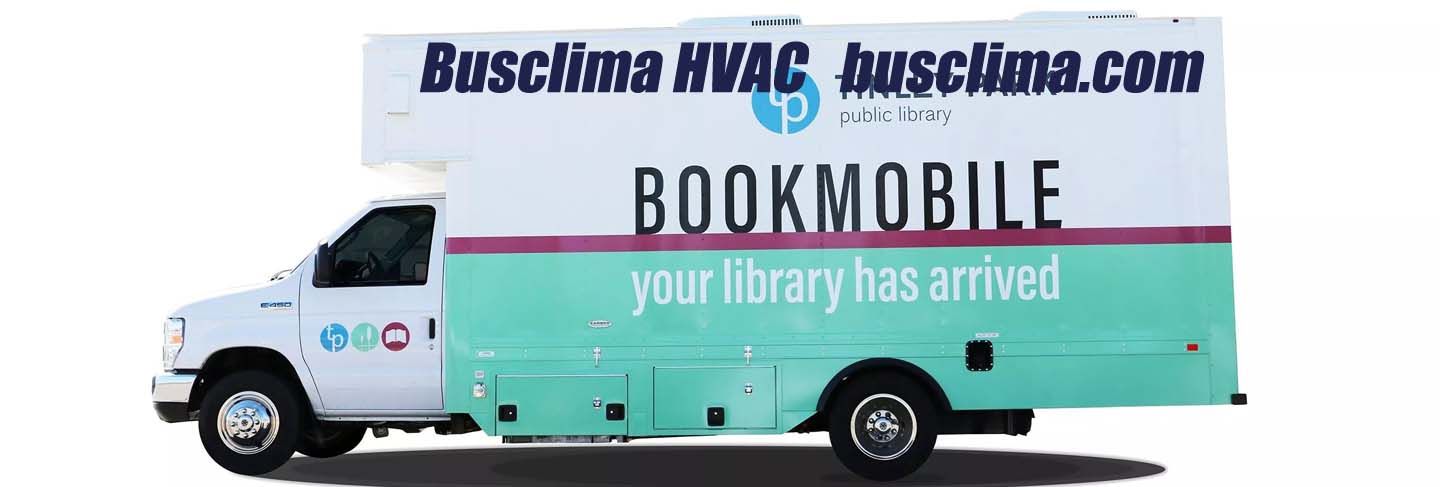
What excellent performance indicators should a Minibus Air Conditioning System possess?
Busclima’s design engineers say that against the backdrop of “dual carbon” goals and energy transition, the industry is increasingly focused on reducing energy consumption, lowering carbon emissions, and improving environmental benefits.
| Model | E-Clima2200 | E-Clima3000 | E-Clima4000 | E-Clima6000 | E-Clima8000 | E-Clima2600S |
| Voltage (V) |
DC12V/24V | DC12V/24V | DC12V/24V | DC12V/24V | DC12V/24V | DC12V/24V |
| Cooling Capacity (W/BTU) |
2200W//7500 | 3000W/10000BTU | 4000W/15000BTU | 6000W/20472BTU | 8000W/27300BTU | 2600W/78870BTU |
| Installation | Rooftop Mounted | Rooftop Mounted | Rooftop Mounted | Rooftop Mounted | Rooftop Mounted | Split Mounted |
| Evaporator Air Volume (m³/h) |
650 | 700 | 650 | 650 | 1500 | 450 |
| Condenser Air Volume (m³/h) |
1050 | 1400 | 1050 | 1700 | 3600 | 1400 |
| Refrigerant | R134a | R134a | R134a | R134a | R134a | R134a |
| Dimension (mm*mm*mm) |
700*580*263 | 885*710*290 | 700*580*263 | 1580*385*180/ 920*928*250 |
1260*1030*180 | 682*465*192 540*362*165 |
| Weight (KG) |
32 | 35 | 18/47 | 18/47 | 31 |
Leading air conditioning systems address these challenges by integrating three major advantages:
1. High efficiency and energy saving, coupled with environmental friendliness: The application of inverter technology optimizes the Seasonal Energy Efficiency Ratio (SEER), while the use of low-GWP environmentally friendly refrigerants reduces carbon emissions throughout the entire lifecycle.
2. Intelligent integration and reliable durability: The use of specially verified compressors and components (such as CE and IRIS certifications) ensures long-term reliability under complex operating conditions. Simultaneously, intelligent integration with the vehicle’s thermal management system enhances overall efficiency.
3. Comfortable, quiet, and precise control: Advanced scroll compressors operate with low vibration and noise, combined with superior control algorithms, providing passengers with a more comfortable riding environment.
4. Direct benefits for operators include lower overall operating costs, longer equipment lifespan, higher vehicle environmental ratings, and better passenger satisfaction, thus creating a differentiated advantage in market competition.
The Minibus Air Conditioning System is undergoing a profound transformation from a “functional component” to a “smart environmental hub.” Its future will revolve more closely around three core aspects: green and low-carbon development, intelligent integration, and full lifecycle reliability. For manufacturers and operators, grasping this trend of systemic upgrading is key to building future core competitiveness.
Related posts:
 Minibus Air Con
 Air Conditioner For Minibus
 Minibus Air Conditioning
 Ac For Minibus
 Minibus Air Conditioner
 Bus Air Conditioner is used for buses and medium-sized commercial vehicles
 12V Ac For Bus
 SNVI Minibus Air Conditioning is largely absent
 Motorhome Rooftop Air Conditioners
 RV Rooftop Air Conditioning Units, 2 stes, Golden Partner for Minibus RV
 12V Air Conditioner For Bus
12V 24v Bus Air Con
12V Air Conditioner For Bus
12V 24v Bus Air Con
 Small Air Conditioner For Rv
 Aircon Units For Motorhomes
 Small Rv Air Conditioner
 15000 Btu Air Conditioner Rv
 Ac On RV for Minibus Caravan Conversion
 Installing an RV Air Conditioner on a Minibus