
MTC MAN Bus Air Con Design requires a rigorous process, including virtual design and simulation, and computational fluid dynamics analysis using CAE.
BUSCLIMA reminds MTC MAN’s design engineers that bus air conditioning design must be understood from a higher perspective. It’s not simply about component selection, but a system integration design centered on the entire vehicle engineering.
I. Core Design Principles of the MTC MAN Bus Air Con
Reliability First Principle
In Algeria’s high-temperature and dusty environment, air conditioning reliability is directly equivalent to vehicle uptime. The design goal is to minimize air conditioning failure rates throughout the vehicle’s lifespan.
All design decisions prioritize durability, maintainability, and longevity, rather than minimum cost.
System Integration Principle
The air conditioning system must be perfectly integrated with the vehicle’s powertrain, cooling system, electrical system, structural safety, and weight distribution.
Co-simulation should be performed during the design phase to prevent the air conditioning from becoming an engine overload source, a potential electrical safety hazard, or a weak point in the vehicle structure.
Life Cycle Cost Principle
Optimal design aims to minimize the total cost (purchase cost + energy cost + maintenance cost + downtime losses) throughout the entire life cycle.
Selecting high-quality, energy-efficient components and designing an easy-to-maintain structure reduces long-term operating costs.
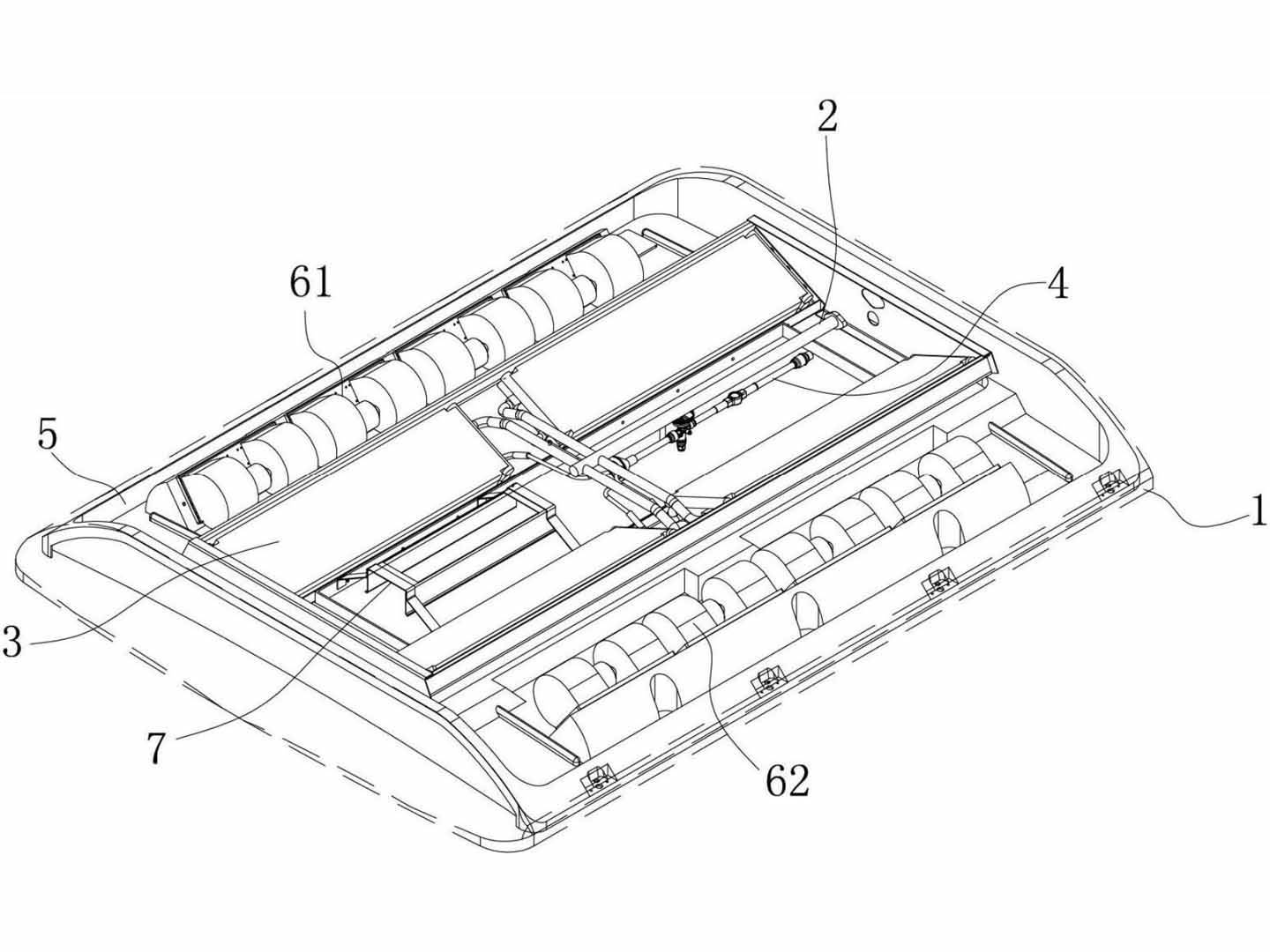
BUSCLIMA reminds MTC MAN design engineers
The design of the MTC MAN Bus Air Con requires forward-looking system planning, targeted reinforcement design, top-tier component selection, and rigorous verification processes.
The final product delivered to the customer is not just a simple refrigeration unit, but a highly reliable, life cycle cost-optimized “Global BUS AC EXPERT in extreme environment, born for harsh conditions.” If you encounter intractable problems during the CAD or SolidWorks design process, please visit www.busclima.com or contact busclima@kingclima.com for BUSCLIMA feasibility solutions.
II. Key Component Design of MTC MAN Bus Air Con
Compressor Selection
A scroll compressor is preferred due to its high efficiency, low vibration, low noise, and excellent high-temperature resistance.
Variable frequency control is employed for smooth power regulation, energy saving, and noise reduction.
Condenser/Evaporator
Hydrophilic aluminum foil fins are used to improve heat exchange efficiency and prevent corrosion.
The internal flow channel design is optimized using CFD to ensure uniform refrigerant distribution and maximize heat exchange.
Control System
A distributed intelligent network is used, allowing independent control of each evaporator unit and enabling multi-temperature zone management.
It features self-diagnosis and early warning functions, proactively reporting issues such as “excessive high pressure” and “filter blockage,” transforming reactive maintenance into preventative maintenance.
III. Design and Verification Process of MTC MAN Bus Air Con
Virtual Design and Simulation
3D piping and wiring are performed using CAD or SolidWorks to avoid interference with other vehicle components.
Computational fluid dynamics analysis using CAE or SolidWorks optimizes airflow organization within the vehicle and eliminates dead zones; thermal simulation is also performed to ensure normal system pressure under extreme conditions.
Bench and Environmental Chamber Testing
The air conditioning system undergoes high and low temperature environmental chamber testing in the laboratory, verifying its extreme performance at simulated temperatures of 55°C and -10°C.
Vibration durability testing is conducted, simulating Algerian road conditions to ensure structural robustness.
Road Testing
This is the final and most crucial step. Buses equipped with the prototype MTC MAN Bus Air Conditioner undergo thousands of kilometers of road testing in Algeria’s hottest season and harshest road conditions to collect real-world data for final design revisions and confirmation.
This design philosophy ensures that MTC’s high-end buses consistently provide a comfortable interior environment in Algeria’s harsh operating environment, maximizing customer operational efficiency and return on investment. This is precisely its core competitive advantage, distinguishing it from ordinary modification shops and low-price competitors.
Related posts:
 MTC MAN Bus Air Conditioner
 MTC MAN Ac For Buses Installation Process
 Bus Air Conditioner is used for buses and medium-sized commercial vehicles
 Introduction to Ac For Bus
 Bus Con Supplier reminds all bus owners to clean BUS AC
 How Air Conditioner For Bus Works
 Where to purchase Algeria Bus Con?
 Thermo King Bus Ac Unit
 Bus Aircon Manufacturer
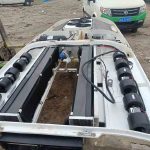 Air Conditioner For Bus
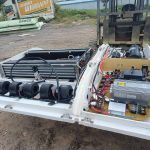 Bus Aircon Issues and Solutions
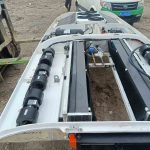 Bus Air Conditioning Maintenance
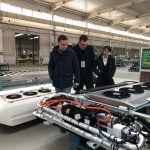 Bus Air Conditioning Unit